Quick answer: Since April 2023, every new SCE solar customer — including homeowners throughout Hesperia — has been placed on the Net Billing Tariff, commonly called NEM 3.0, which credits exported solar power at roughly 75% less than the old NEM 2.0 retail-rate system. That shift has made battery storage nearly essential to making solar economics work, since self-consuming your own power now beats selling it back to SCE. Adding a battery isn't just a solar decision, though — it's a real electrical project involving a dedicated critical loads panel, proper interconnection, and often a look at your main panel's overall capacity.
What Is NEM 3.0, and Why Does It Change the Math for Hesperia Solar?
NEM 3.0, officially the Net Billing Tariff, replaced the old system where exported solar power was credited at close to the full retail rate. Under the current structure, excess power sent back to the grid is credited based on the California Public Utilities Commission's Avoided Cost Calculator — a wholesale-style rate that runs dramatically lower than what you pay to buy power, often cited around $0.08/kWh compared to retail rates in the $0.30-0.35/kWh range under the old system. Since SCE charges some of the higher per-kWh rates in the country, and the Inland Empire's strong sun exposure means Hesperia homes still generate real solar output, the shift hasn't eliminated solar's value — but it has fundamentally changed which system design actually makes financial sense.
Why Did Battery Storage Go From Optional to Nearly Essential?
Under NEM 3.0, the financial logic flips: instead of maximizing how much power you export for credit, the goal becomes maximizing how much of your own solar power you actually use yourself, since self-consumed power offsets your bill at the full retail rate while exported power earns a fraction of that value. A battery lets you store midday solar production and use it during SCE's expensive evening peak hours — commonly 4 to 9pm under time-of-use rate plans — rather than selling that same power back to the grid for pennies on the dollar. This is exactly why battery attachment rates have climbed sharply since NEM 3.0 took effect; without one, a lot of the value the system was sold on simply doesn't materialize.
What Electrical Work Does Adding a Battery Actually Require?
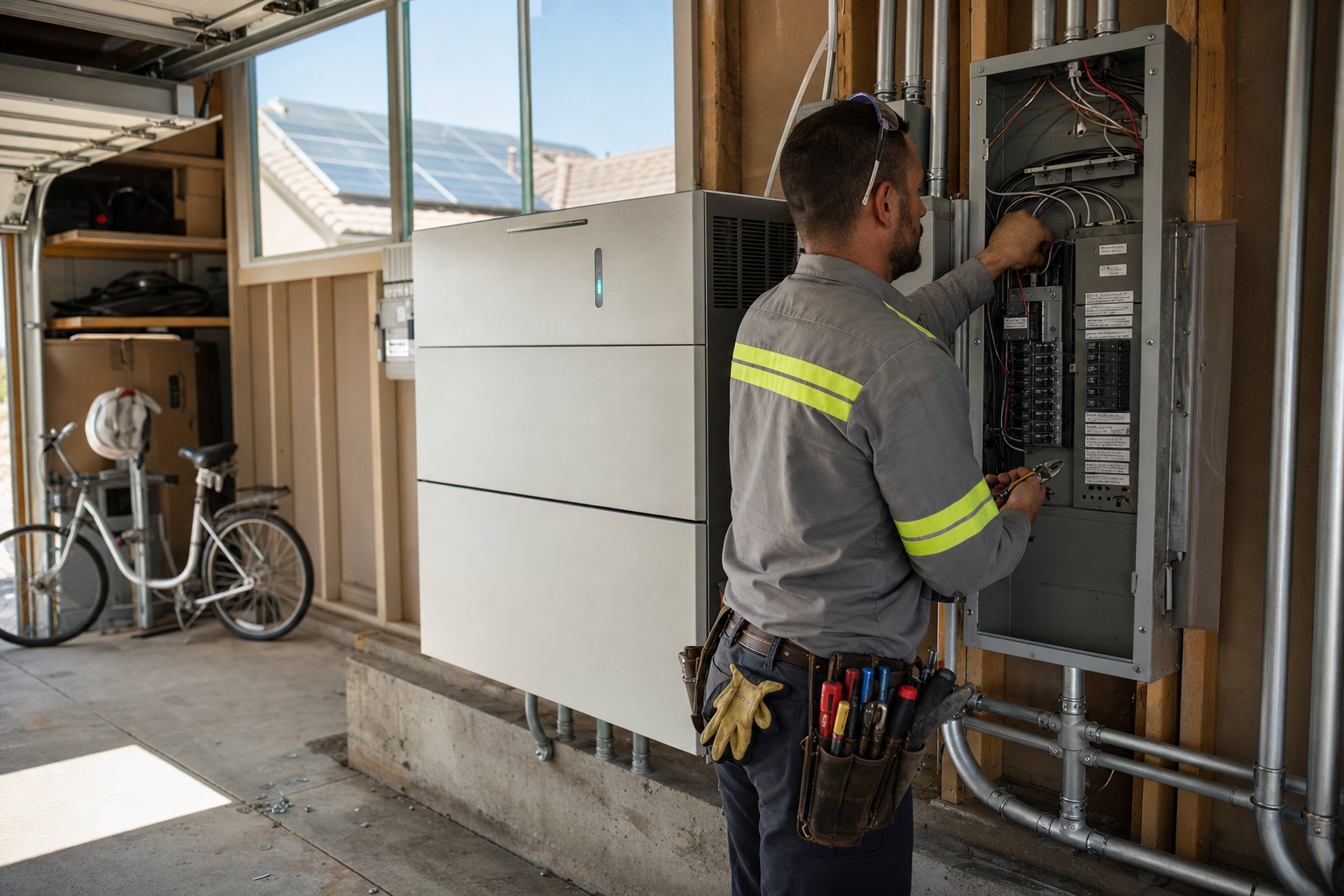
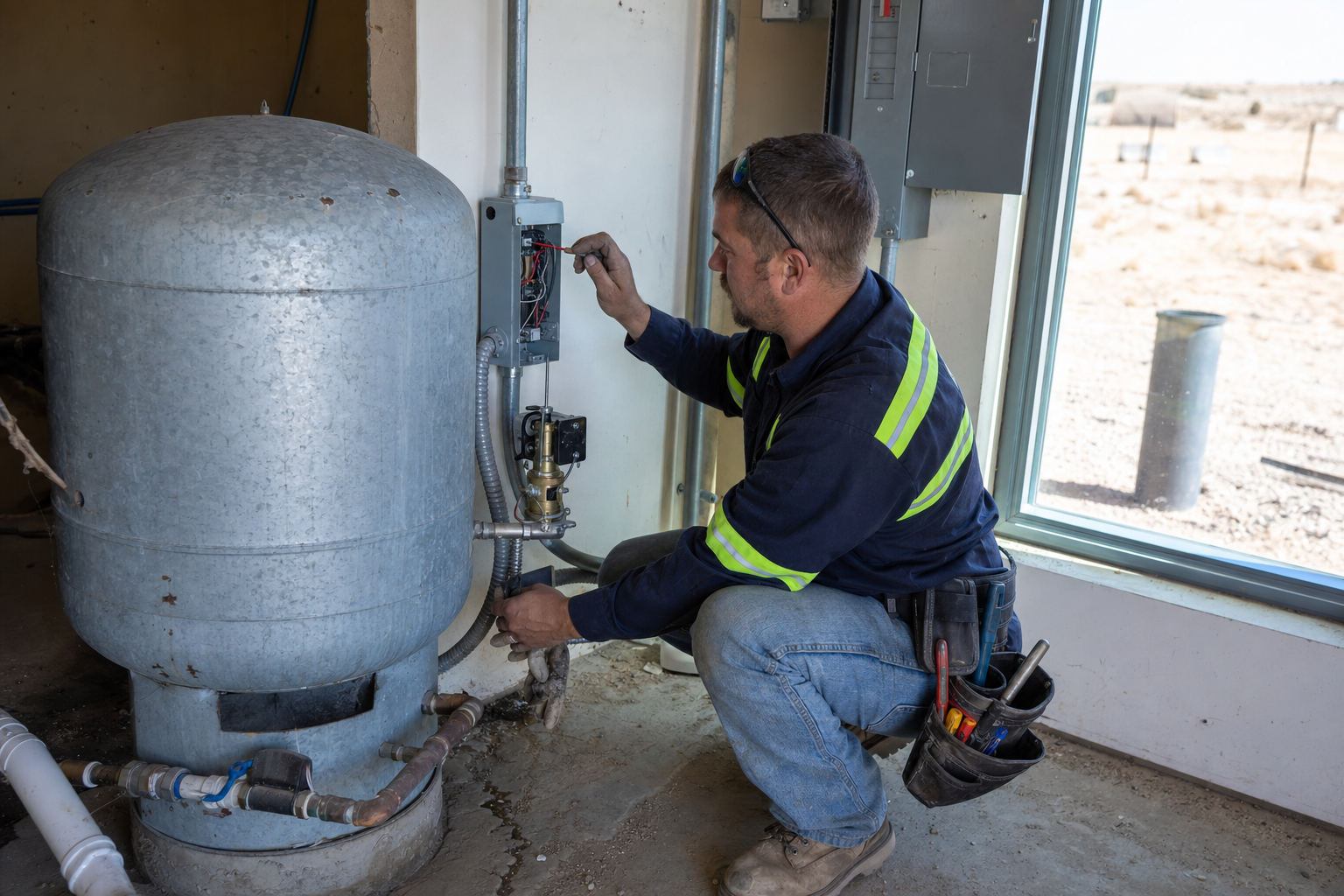
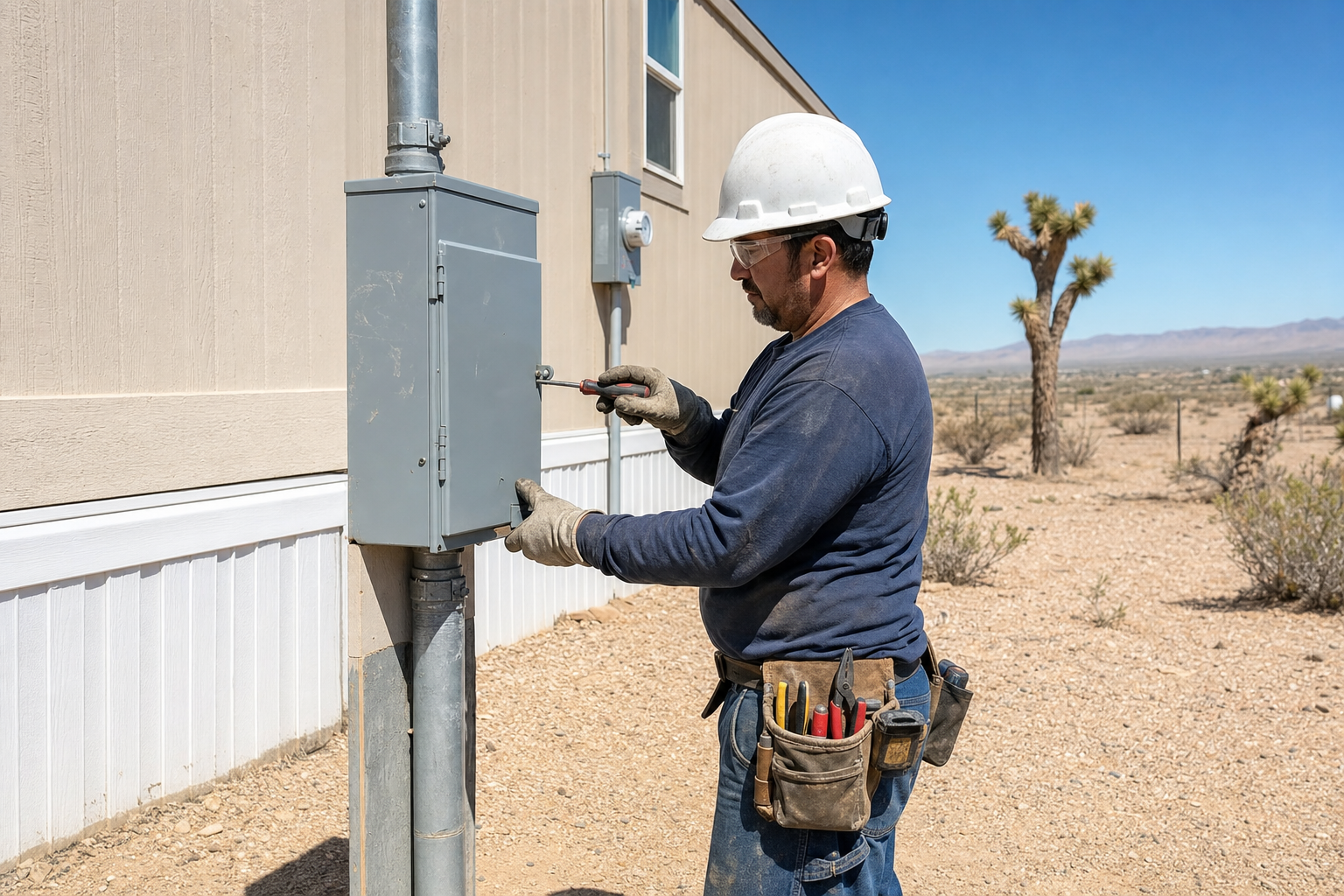
This is where the project moves from "solar decision" to "electrical scope of work." A battery installation typically requires its own dedicated wiring separate from the solar panels themselves, proper interconnection with your existing electrical service, and in most residential setups, a dedicated backup or critical loads subpanel. This isn't a simple plug-and-play addition — it's a project that benefits from the same load calculation and panel assessment process we cover in our
panel upgrade guide.
What's a Backup or Critical Loads Panel, and Why Do You Need One?
Most battery systems aren't sized to power an entire home's full electrical load during an outage — instead, a critical loads panel isolates a specific subset of circuits (refrigerator, well pump, essential lighting, home office equipment) that the battery is actually sized to support. Properly identifying which circuits belong on that critical panel, and wiring it correctly, is a meaningful part of a battery installation that goes well beyond simply connecting the battery unit itself.
Does Your Existing Panel Have Room for a Battery System?
This is worth assessing before committing to a specific battery size or brand. Many older Hesperia homes have panels that are already carrying a full load between AC, pool equipment, and other modern additions — the same capacity question we address in our
central AC electrical guide and our
pool electrical guide. Adding battery interconnection and a critical loads panel on top of an already-tight panel can reveal a capacity problem that's better caught during planning than after equipment has already been purchased.
Is Retrofitting a Battery to Existing Solar Different From a New Combined Installation?
Yes, and it's worth understanding before assuming cost or scope. Retrofitting a battery onto solar panels that were installed years ago often means working with an inverter and interconnection setup that wasn't originally designed with battery integration in mind, sometimes requiring additional equipment or even inverter replacement depending on the original system's age and manufacturer. A new combined solar-plus-battery installation can be designed around battery integration from the start, which is generally a cleaner electrical scope than retrofitting an older system.
What Does Battery Electrical Work Cost in Hesperia?
- Critical loads subpanel installation: $800–$1,800 depending on circuit count
- Battery interconnection wiring (separate from solar panel work itself): $500–$1,500
- Panel upgrade if needed to support combined solar, battery, and existing loads: $2,500–$4,200
- Full electrical assessment before a battery purchase decision: $150–$300
FAQ
Do I need a battery for solar to make financial sense in Hesperia now?
Under NEM 3.0's reduced export credit, batteries have become nearly essential for maximizing solar savings, since self-consumed power offsets your bill at full retail rate while exported power earns significantly less.
What is a critical loads panel, and why does my battery need one?
It's a subpanel isolating specific circuits your battery is sized to power during an outage, like a refrigerator or well pump, rather than trying to power your entire home's full load.
Can I add a battery to solar panels I already have installed?
Yes, though retrofitting can require additional equipment or inverter changes depending on your original system's age, making it a different electrical scope than a combined new installation.
Will my existing electrical panel support a new battery system?
It depends on your panel's current capacity and existing loads. An assessment determines whether your panel can support the addition or needs an upgrade first.
Does NEM 3.0 apply to everyone with SCE service in Hesperia?
Yes, for any system with an interconnection application submitted on or after April 15, 2023. The prior deadline allowing NEM 2.0 grandfathering for already-approved systems has since passed.
Considering solar battery storage in Hesperia?
Get the electrical side assessed properly before you commit to equipment.
Call Hesperia Electrical at (760) 905-9997 for a free assessment.