
Flickering Lights in Hesperia: When It's Nothing and When It's a Warning Sign
The Difference Between a Flickering Light That's Nothing and One That's a Warning

A single bulb flickering in one lamp is almost always nothing — a loose bulb, a worn-out socket, or an LED bulb that isn't playing nice with an old dimmer switch. Screw the bulb in tighter, or swap it for one rated for dimmers, and it's usually solved.
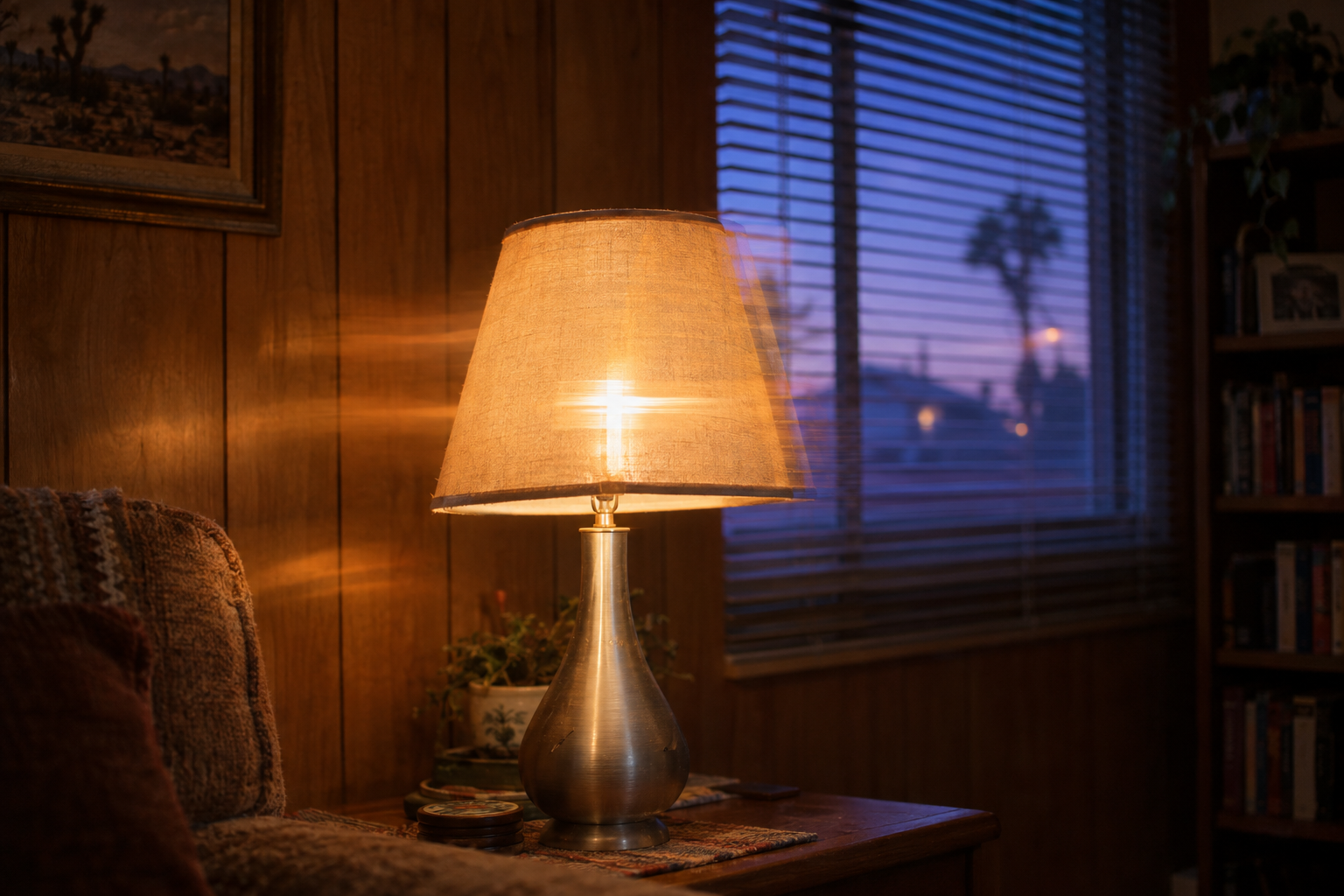
Lights flickering across multiple rooms, or your whole house dimming and brightening together, is a different problem entirely, and it's worth taking seriously rather than just getting used to it.

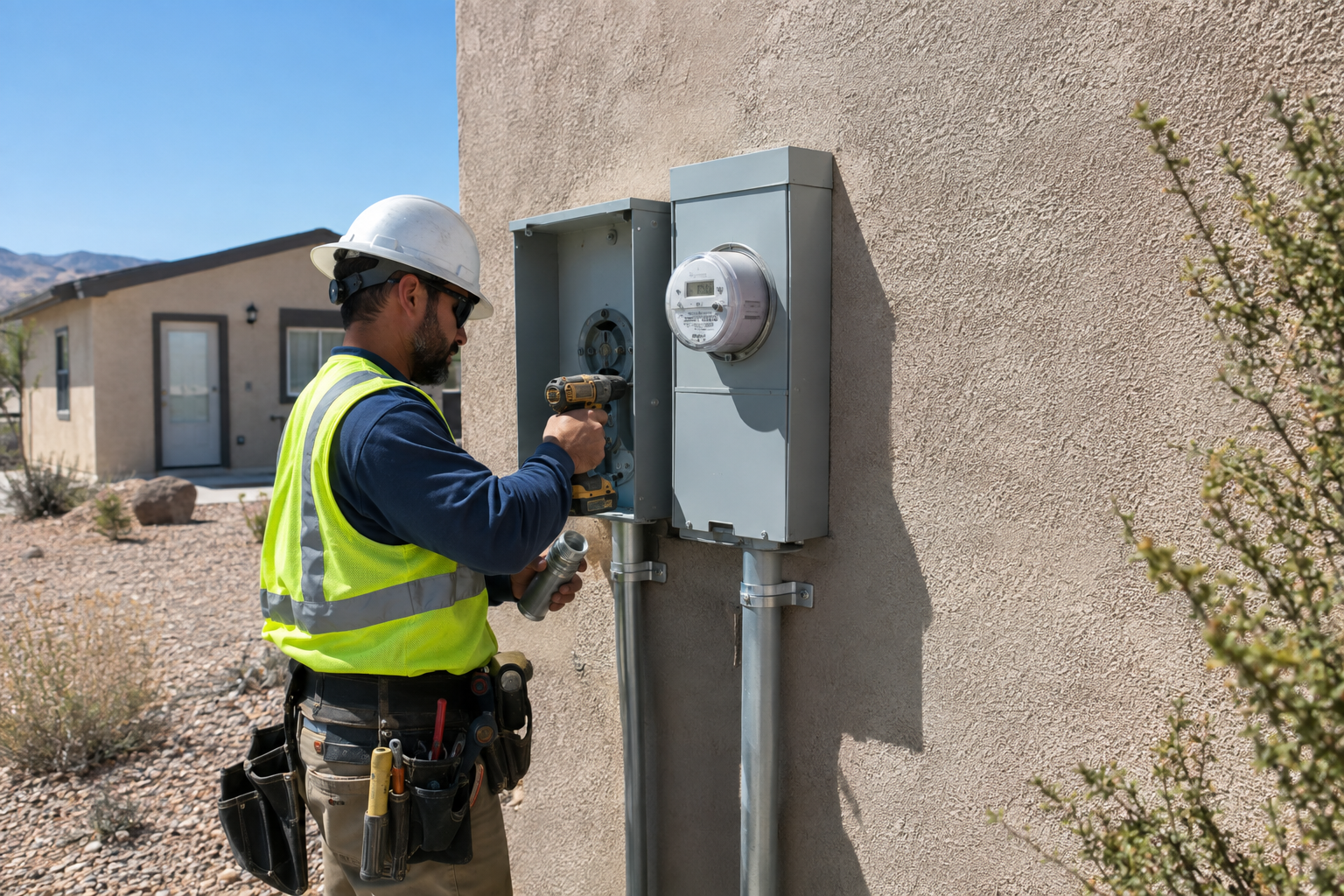
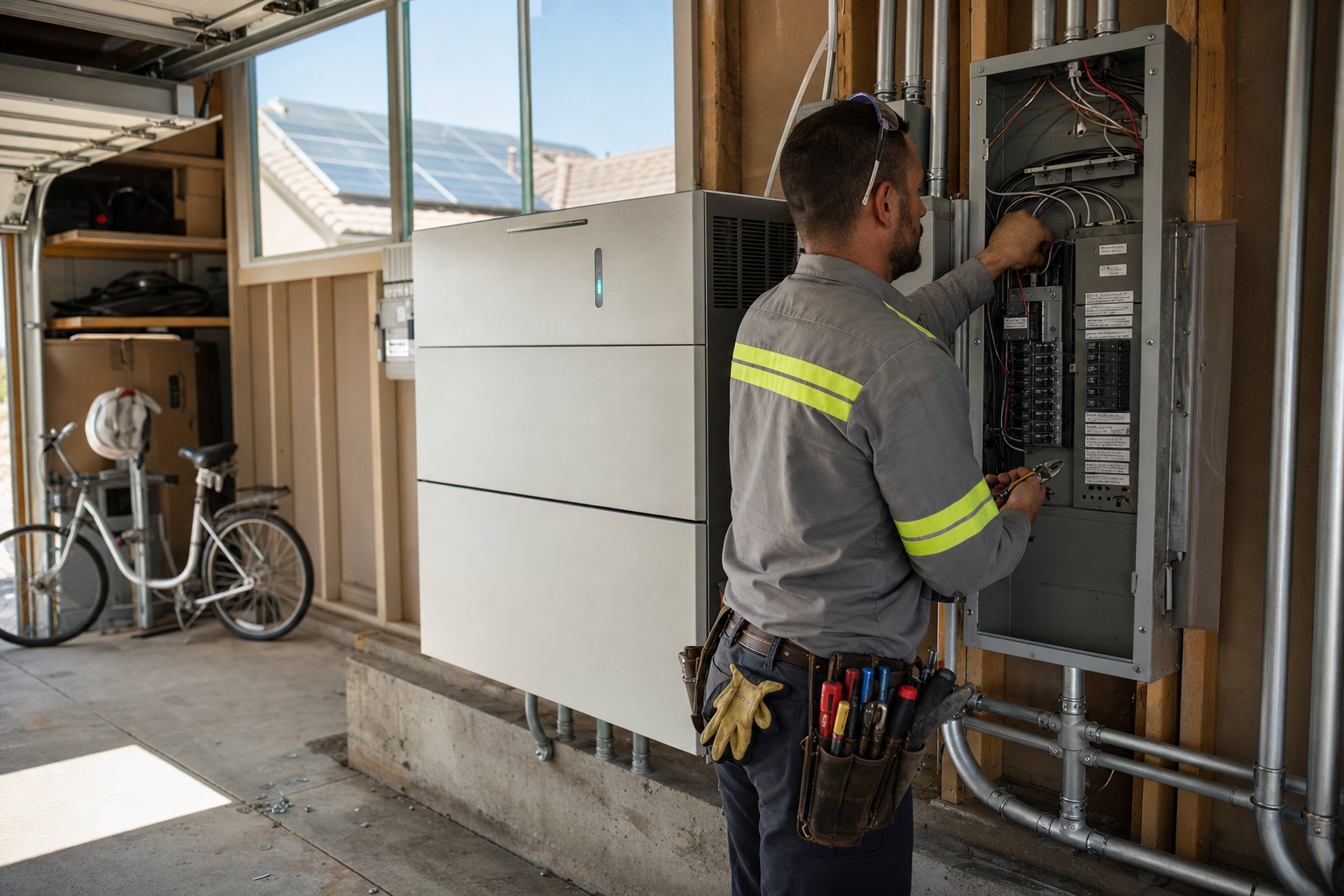
The most common cause of whole-house flickering is a loose neutral connection — somewhere between your meter and your panel, or inside the panel itself, the wire that's supposed to carry current safely back has developed a weak connection.
Here's why that matters more than it sounds like it should: a loose connection creates resistance, resistance generates heat, and heat causes the metal to expand and loosen further, which increases resistance again. It's a cycle that gets worse on its own over time, not better, and the endpoint of that cycle is arcing — which is exactly how electrical fires start inside walls and panels where nobody sees it happening until it's too late.
There's a specific version of this worth knowing if your home was built in the 1960s or 70s, which describes a meaningful chunk of the older housing stock around Hesperia: aluminum branch wiring. Aluminum was commonly used during that era as a cheaper alternative to copper, but it expands and contracts more than copper does with every heating cycle, which loosens connections at outlets, switches, and the panel itself over decades. If your lights have started flickering more over months rather than staying constant, outlets feel warm to the touch, or a switch makes a faint crackling sound when you flip it, that's the pattern aluminum wiring failure typically shows before anything more serious happens.
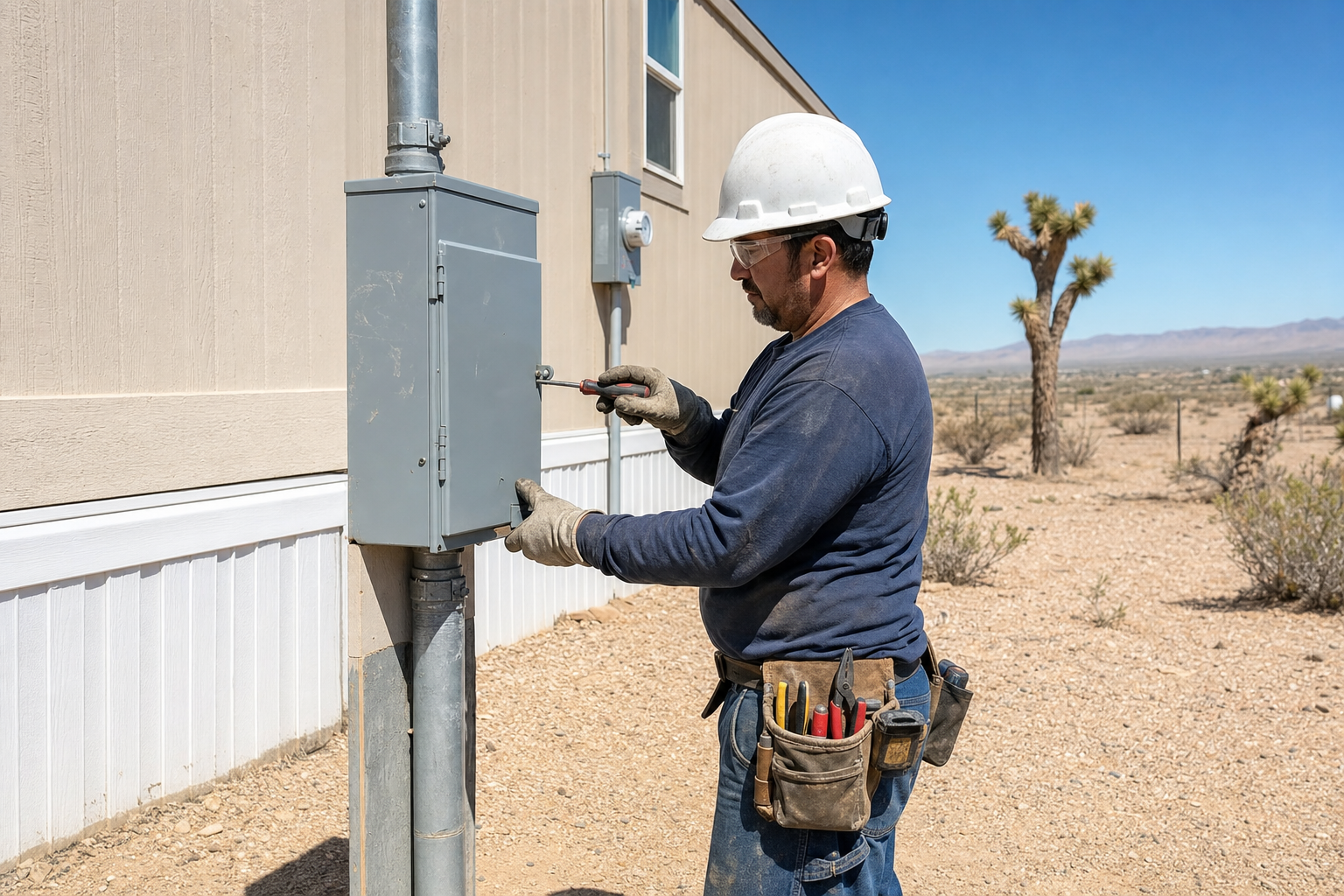
One clue that points specifically to a problem outside your house rather than inside it: flickering that gets noticeably worse on windy days. That usually means a loose connection at the service drop — the wire running from the utility pole to your home — which is SCE's side of the fence to fix, not something inside your panel.
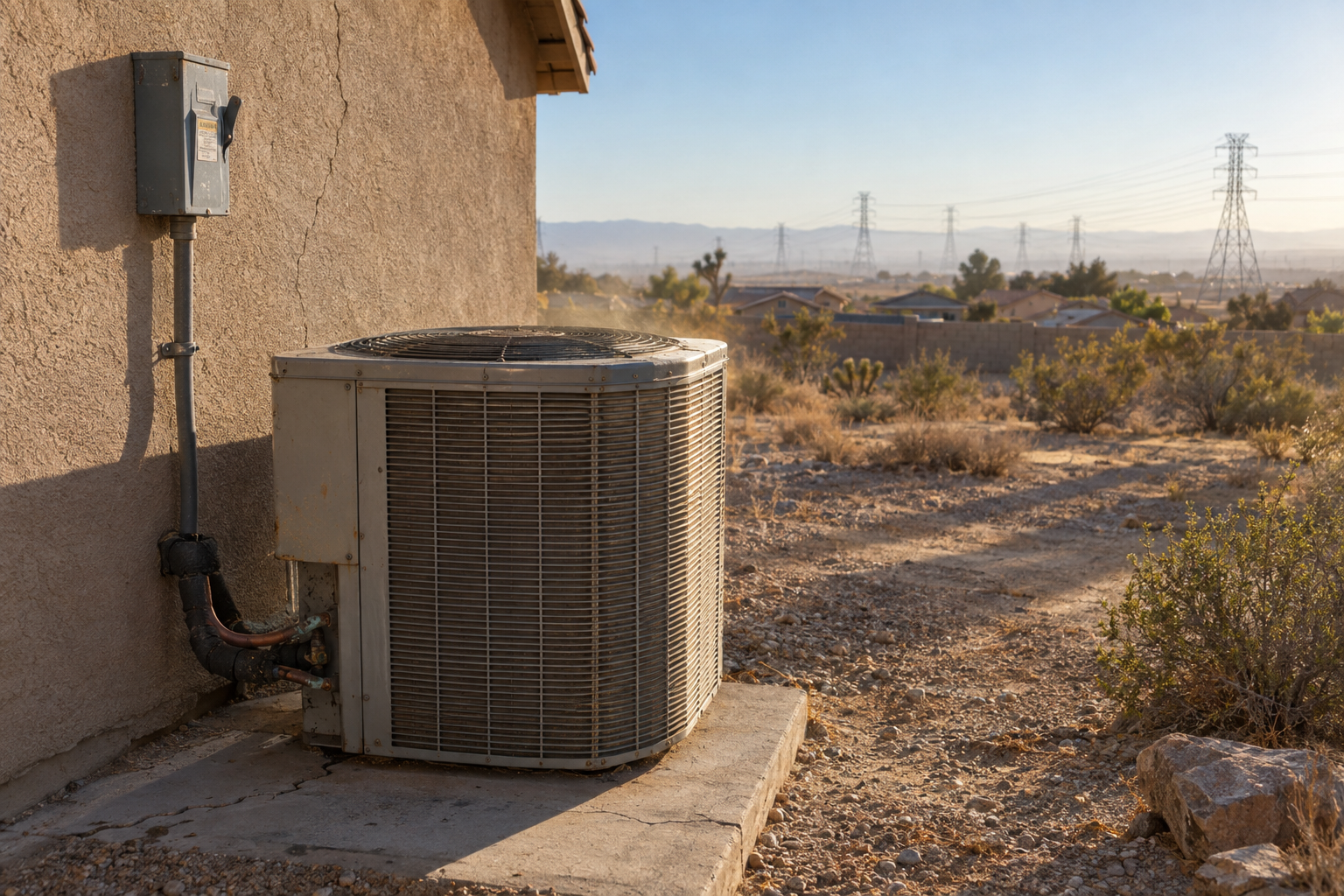
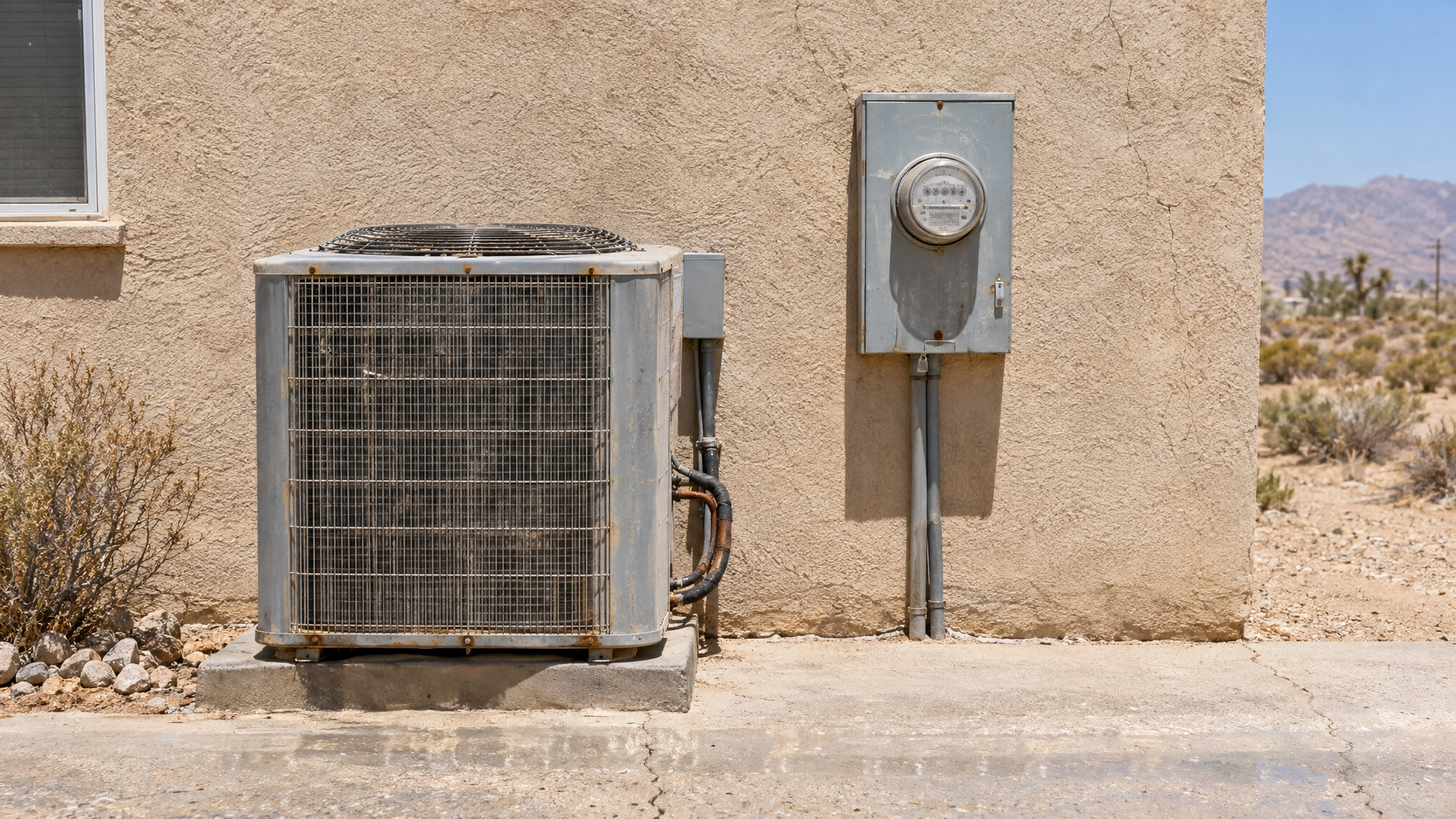
And one distinction that's genuinely useful to know: a brief, half-second dim when your AC compressor or another large appliance kicks on is completely normal. That's just the motor drawing a startup surge before settling into its running current. It's the sustained, repeated, multi-room flickering — especially flickering that's getting worse over time — that's the one worth calling someone about, not the quick dip every time the AC cycles on.
If you're ever smelling anything like melting plastic near an outlet or your panel, that's not a "call sometime this week" situation — shut off the main breaker and call an electrician right away.
Lights flickering across more than one room in your Hesperia home?
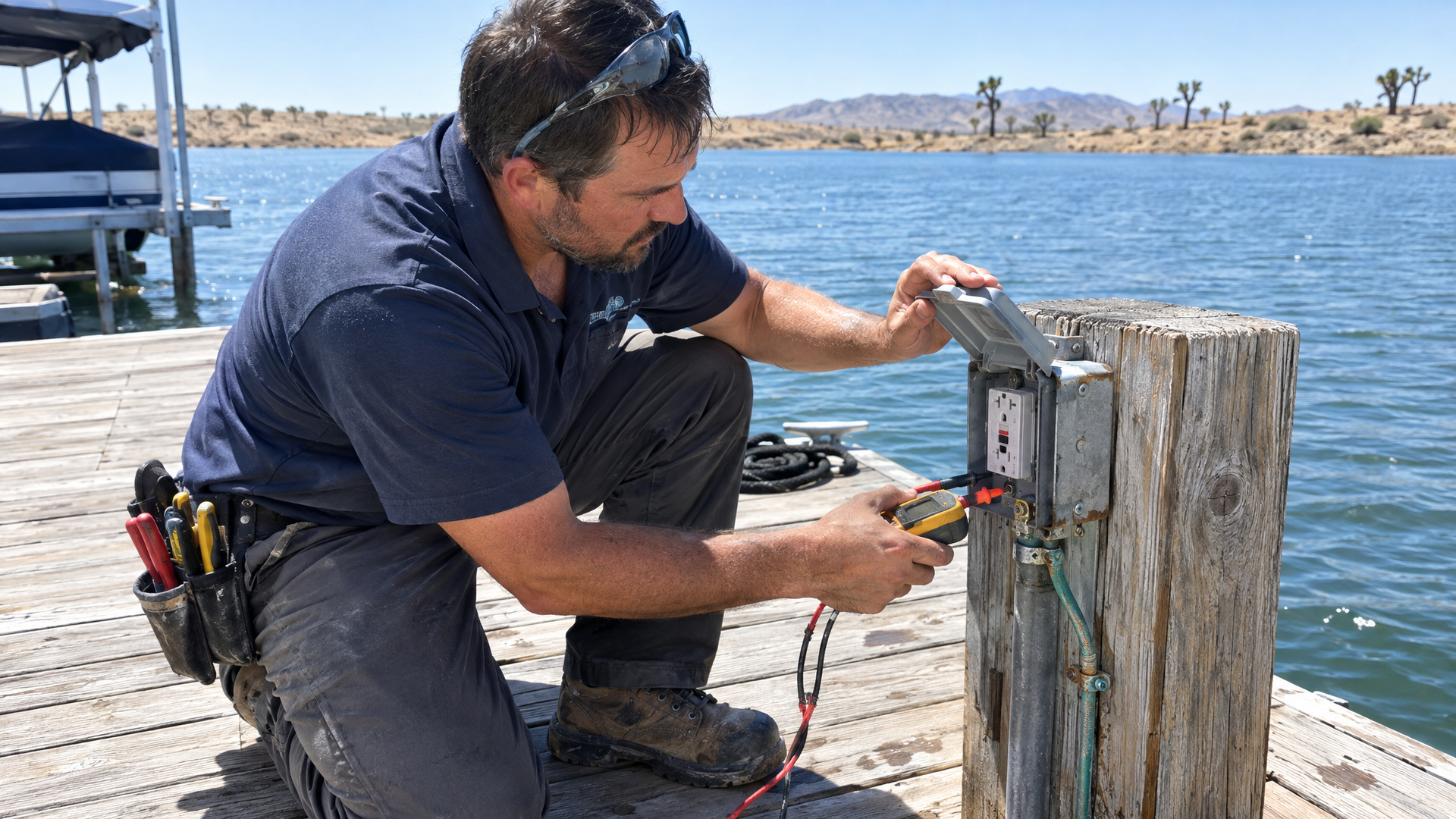
That's worth a real look. Call (760) 905-9997.