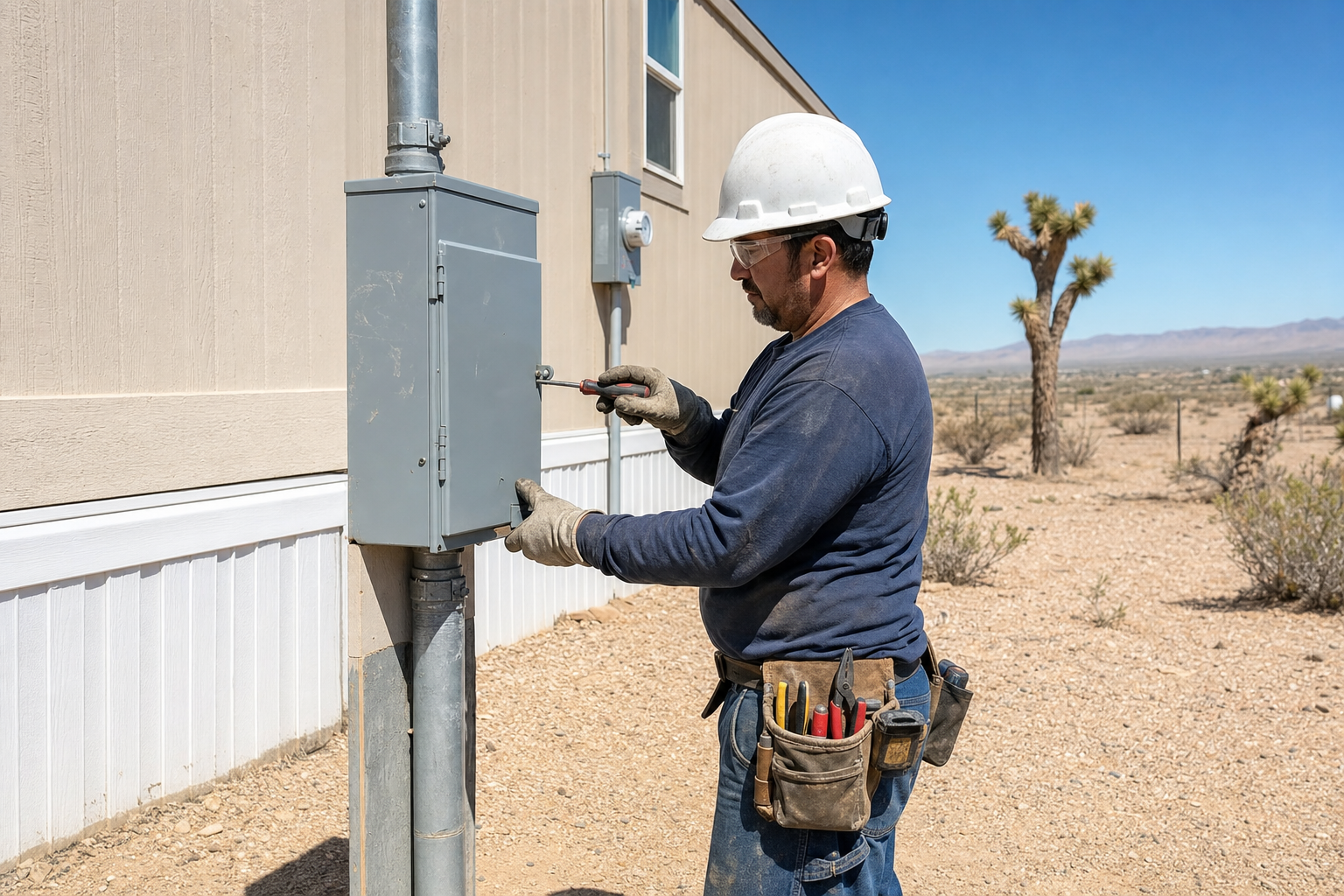
Quick answer: Under California Government Code §65852.2, no local agency can force you into a separate electric meter for your ADU — it's your choice, not a mandate. SCE offers three real options: sharing your main home's meter through a subpanel, installing a fully separate meter, or adding a sub-meter behind your existing one. Which makes sense depends heavily on whether you're building the ADU for family use or planning to rent it out, plus how much extra load Hesperia's summer heat is going to put on the system either way.
Does Your Hesperia ADU Legally Need Its Own Electric Meter?
No, and this is worth knowing before anyone tells you otherwise. California state law specifically prohibits local agencies from requiring a separate utility connection or meter as a condition of ADU approval — a rule designed to reduce barriers and cost for ADU construction statewide. That said, "not required" doesn't mean "not allowed" or "never the right call." You genuinely have options, and the right one depends on how you plan to use the space.
What's the Real Difference Between a Shared Meter, a Separate Meter, and a Sub-Meter?
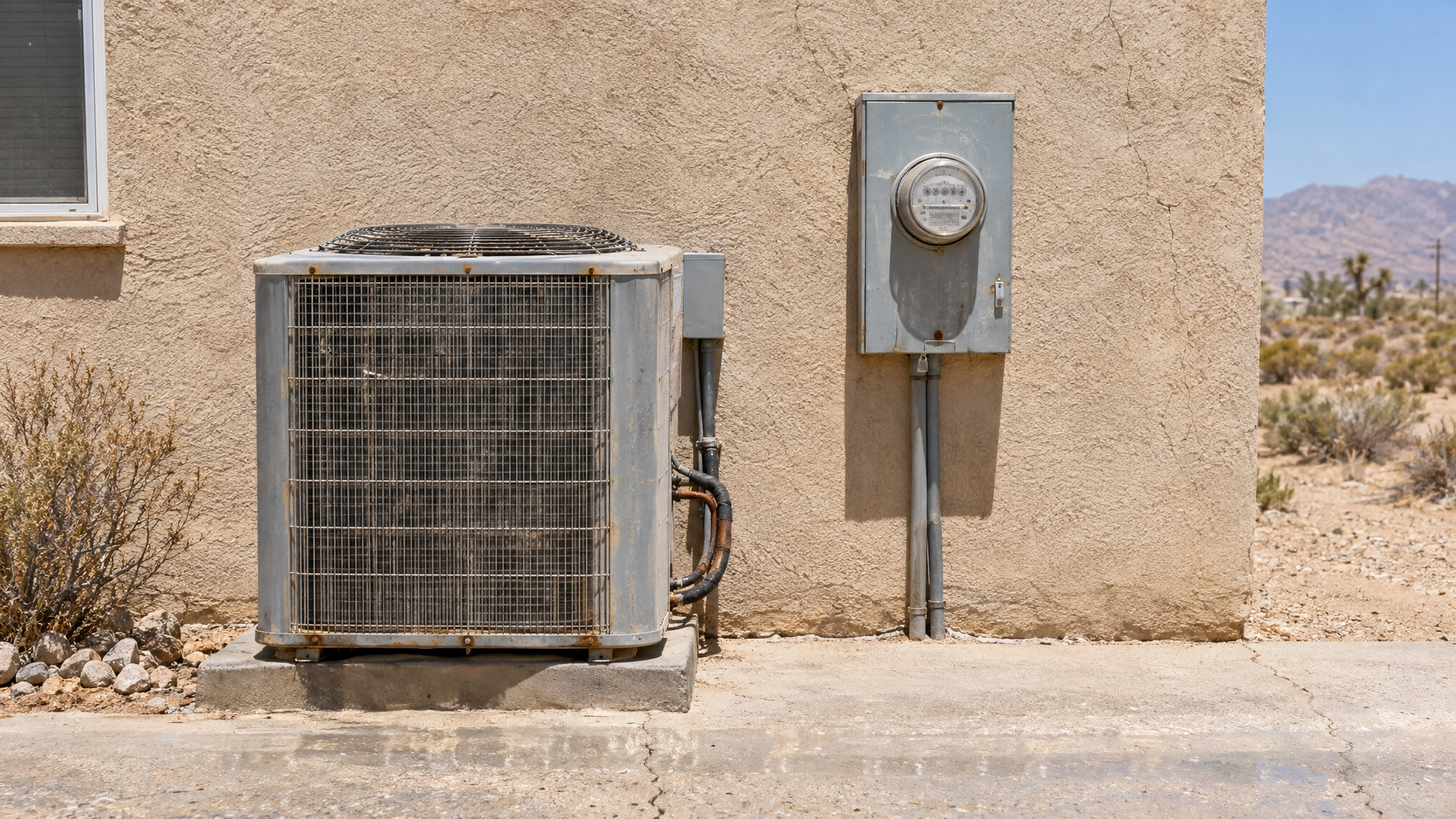
Shared meter: Your ADU draws power through a dedicated subpanel fed from your main home's electrical service, with everything billed together on one SCE account. This is the simplest and least expensive setup, and it works well for family use or an owner-occupied situation where separating usage doesn't matter.
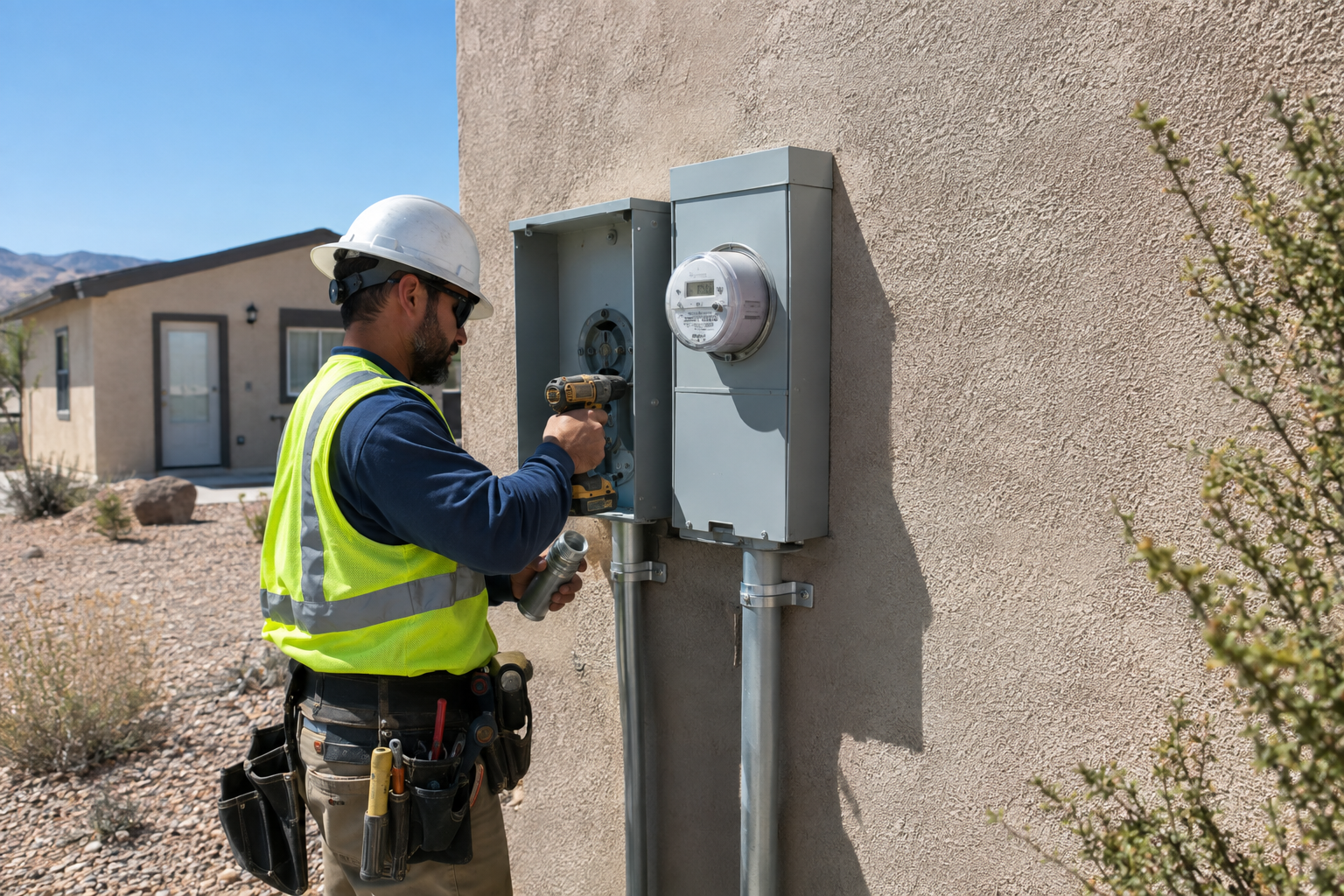
Separate meter: SCE installs a fully independent meter for the ADU, billed on its own account entirely separate from the main house. This costs more upfront in installation and utility coordination, but gives complete visibility and billing separation.
Sub-meter: A secondary meter installed behind your existing SCE meter, tracking the ADU's usage for your own records or tenant billing purposes without creating a fully separate utility account. This splits the difference — more visibility than a shared meter without the full cost and process of a separate SCE account.
Why Might a Separate Meter Make Sense for a Rental ADU?
If you're building the ADU specifically to rent out long-term, a separate meter or sub-meter lets you bill a tenant directly for their own usage rather than absorbing it into your own bill or trying to estimate a fair split after the fact. For family use — an in-law suite, a space for adult children — a shared meter through a subpanel is usually simpler and cheaper, since there's no need to separate billing between household members.
What Does Your Main Panel Need to Support an ADU in Hesperia's Heat?
This is where Hesperia's climate genuinely changes the calculation compared to a more temperate market. An ADU here almost certainly needs its own
dedicated AC circuit sized under NEC Article 440's motor-startup rules, not just standard lighting and outlet circuits — cooling isn't optional for a livable space through a High Desert summer. That additional load is exactly why a proper assessment of your main panel's existing capacity matters before committing to an ADU design, since combining a full ADU's AC and general load with your existing home's demand can reveal a capacity problem an ADU contractor focused on framing and plumbing might not catch.
What Do Title 24's EV-Ready and Solar-Ready Requirements Mean for Your ADU?
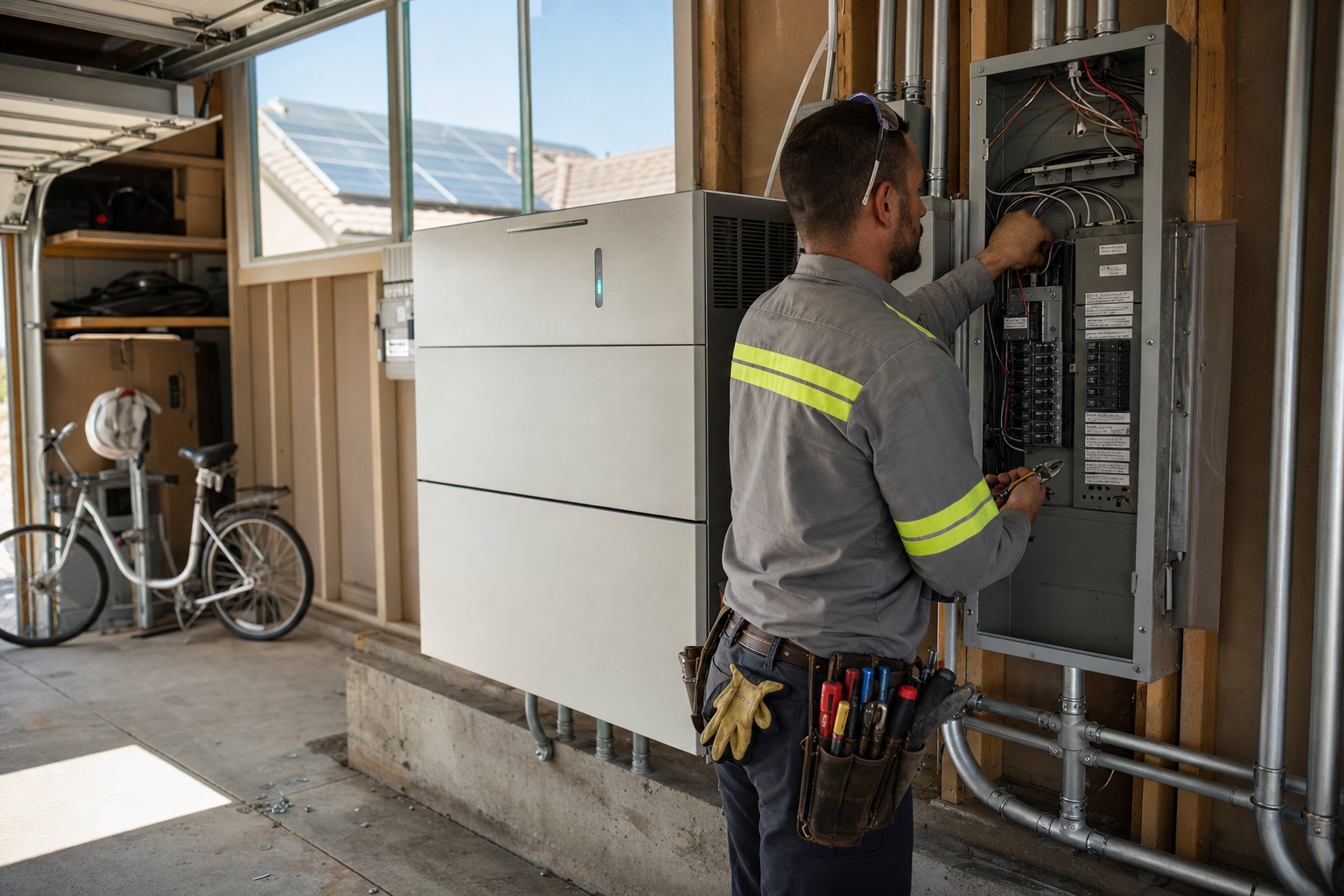
California's Title 24 energy code requires new ADUs to be EV-ready, meaning conduit has to run from the electrical panel to a future charging location even if you're not installing a charger during initial construction. New detached ADUs generally also need to be solar-battery-ready, typically requiring a minimum 60-amp breaker feeding a dedicated emergency subpanel, with some exemptions for attached units and garage conversions.
Does This Connect to NEM 3.0 and Battery Storage?
It can, especially if you're planning solar for the main house or the ADU itself. Since
NEM 3.0 has made battery storage nearly essential for solar economics to make sense under SCE's current rates, an ADU project is a natural point to plan for that solar-ready emergency subpanel requirement with actual battery integration in mind from the start, rather than treating it as a checkbox to satisfy code and nothing more.
What Does ADU Electrical Work Cost in Hesperia?
- Shared meter setup with dedicated subpanel: $1,500–$3,500
- Fully separate SCE meter installation: $2,500–$5,000+ depending on distance and SCE coordination
- Sub-meter installation: $800–$1,800
- Main panel upgrade if needed: $2,500–$4,200
- EV-ready conduit and solar-ready subpanel provisions: $500–$1,200
FAQ
Am I required to get a separate electric meter for my Hesperia ADU?
No. California state law prohibits local agencies from requiring a separate meter as a condition of ADU approval, though you can still choose one if it fits your situation.
Is a shared meter or separate meter better for a rental ADU?
A separate meter or sub-meter generally makes more sense for a long-term rental, since it lets you bill a tenant directly for their own usage rather than estimating a split.
Does my ADU need its own dedicated AC circuit in Hesperia?
Yes, in almost all cases. Given the region's extreme summer heat, an ADU needs a properly sized dedicated AC circuit, not just standard lighting and outlet circuits.
Do I need to plan for solar and battery storage when building an ADU?
New detached ADUs generally need to be solar-battery-ready under Title 24, requiring a minimum 60-amp breaker feeding a dedicated subpanel, even if you're not installing solar immediately.
Will my existing panel support a new ADU's electrical load?
It depends on your panel's current capacity and existing loads. An assessment before finalizing your ADU design determines whether an upgrade is needed.
Planning an ADU in Hesperia?
Get your electrical scoped correctly for the heat and your metering choice from day one.
Call Hesperia Electrical at (760) 905-9997 for a free assessment.