Spring Valley Lake is the kind of thing that surprises people who've never seen it — a 200-acre private lake with sandy beaches, a marina, and private docks, sitting in the middle of the Mojave Desert on the border between Apple Valley and Victorville. Developed in the 1970s and known locally as the "Jewel of the High Desert," the community is built around the lake itself, the
Spring Valley Lake Country Club and its 18-hole golf course, and roughly 4,200 individually owned lots governed by the Spring Valley Lake Association.
Mojave Narrows Regional Park sits between the community and Victorville proper, giving the whole area a genuinely different feel than the surrounding desert grid.
It's easy to assume dock and marina electrical code only matters for mountain lakes and coastal properties. It applies here just as fully, and a desert climate adds its own wrinkles that a cooler lake community doesn't deal with in the same way.
Why Dock Electrical Gets Its Own Code Section
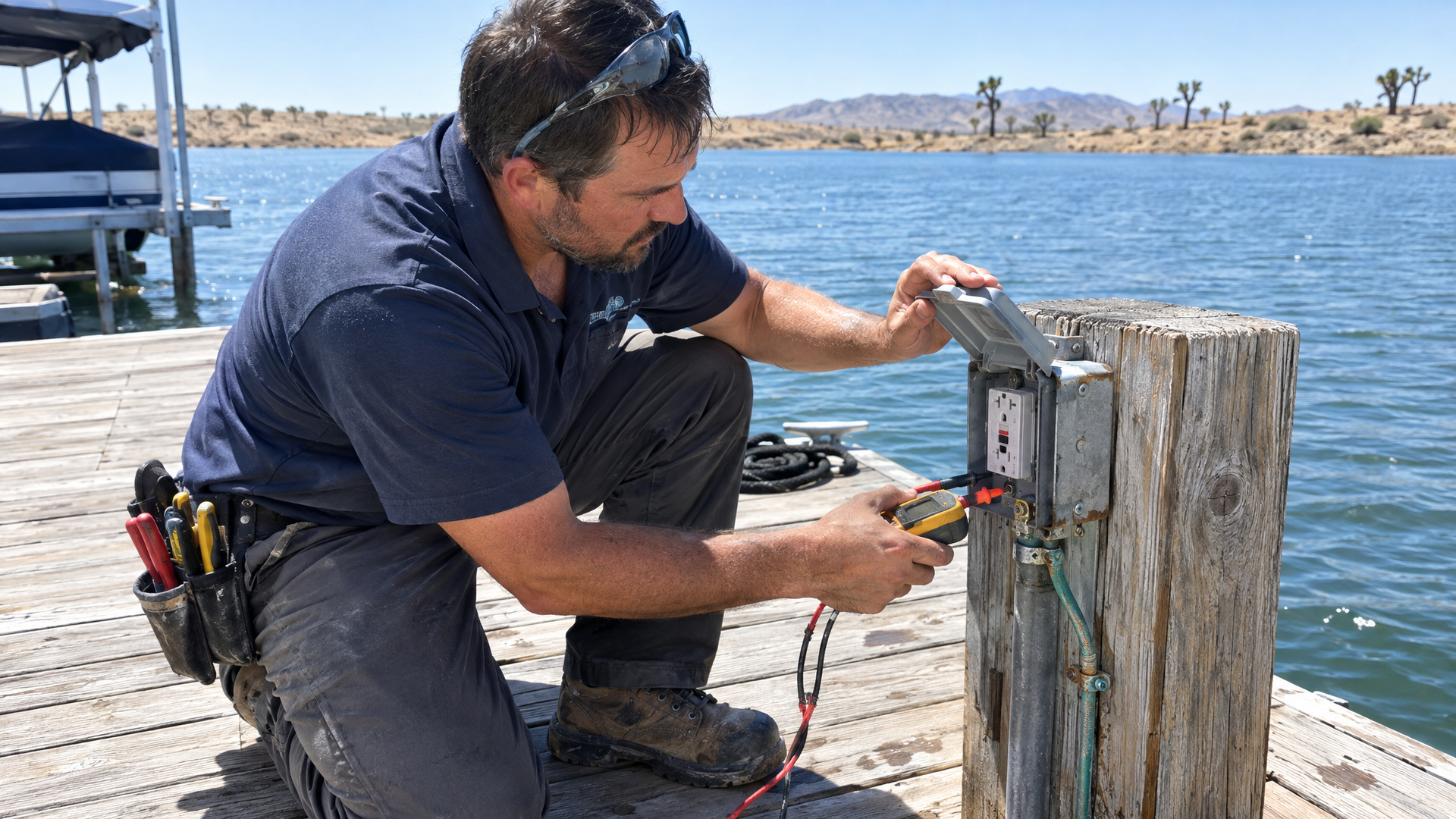
NEC Article 555 governs marinas, boatyards, and docking facilities specifically because water and electricity together create a genuine, well-documented shock hazard — electric shock drowning, where even a small amount of stray current in the water around a dock can incapacitate a swimmer without any visible warning. This isn't a theoretical risk. It's the entire reason the code treats dock wiring more strictly than a standard outdoor circuit, requiring specific bonding, grounding, and GFCI protection wherever people and boats share the water with electrical equipment.
What GFCI and Bonding Actually Require at a Dock
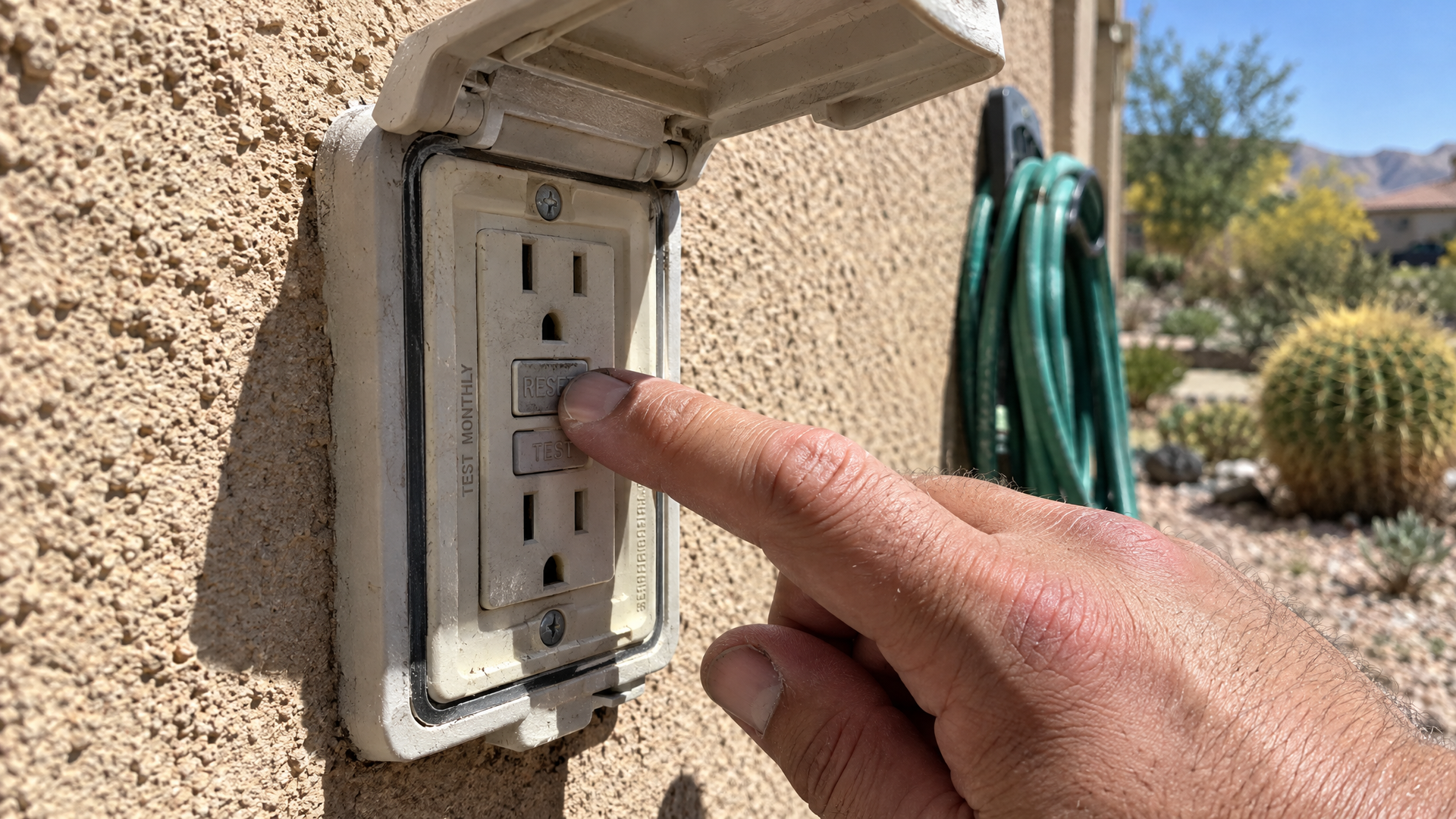
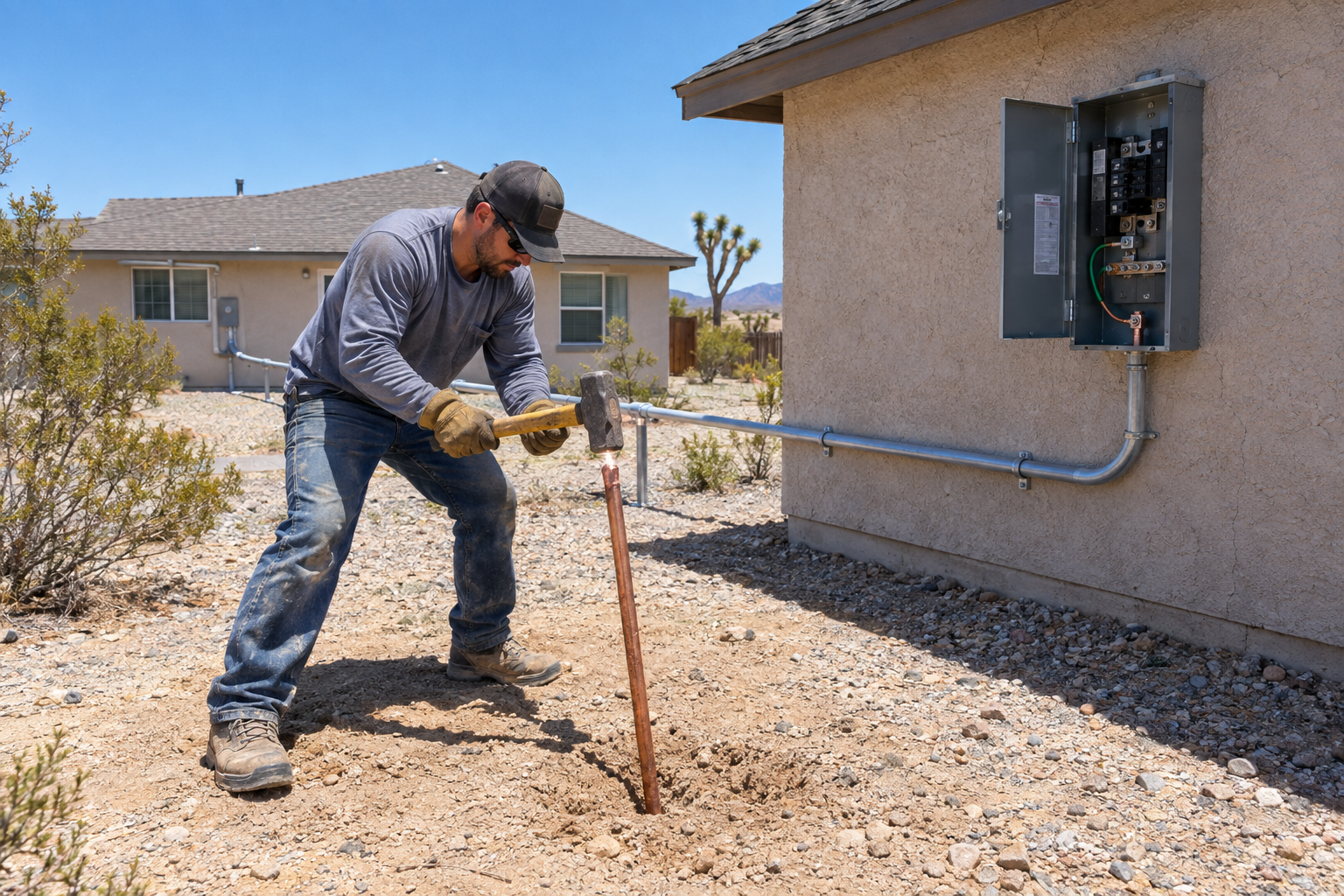
Every receptacle at a dock or boat slip needs GFCI protection, without exception, and metal structures at the dock — ladders, handrails, boat lift frames — need to be properly bonded to eliminate voltage differences that could otherwise exist between the water, the dock structure, and anything metal a person might be touching while partially in the water. This is the same underlying principle behind pool bonding requirements, applied to open water instead of a contained pool.
Given how many Spring Valley Lake properties come with private docks and boat access built directly into the HOA's amenities — alongside the community's beach, marina, and even a dedicated equestrian area — this isn't a rare, specialty scenario for the neighborhood. It's a normal part of what a meaningful share of homes here actually have, whether the property sits on Rain Shadow Road, Mariner Drive, or anywhere else along the shoreline.
What the Desert Climate Adds to the Equation
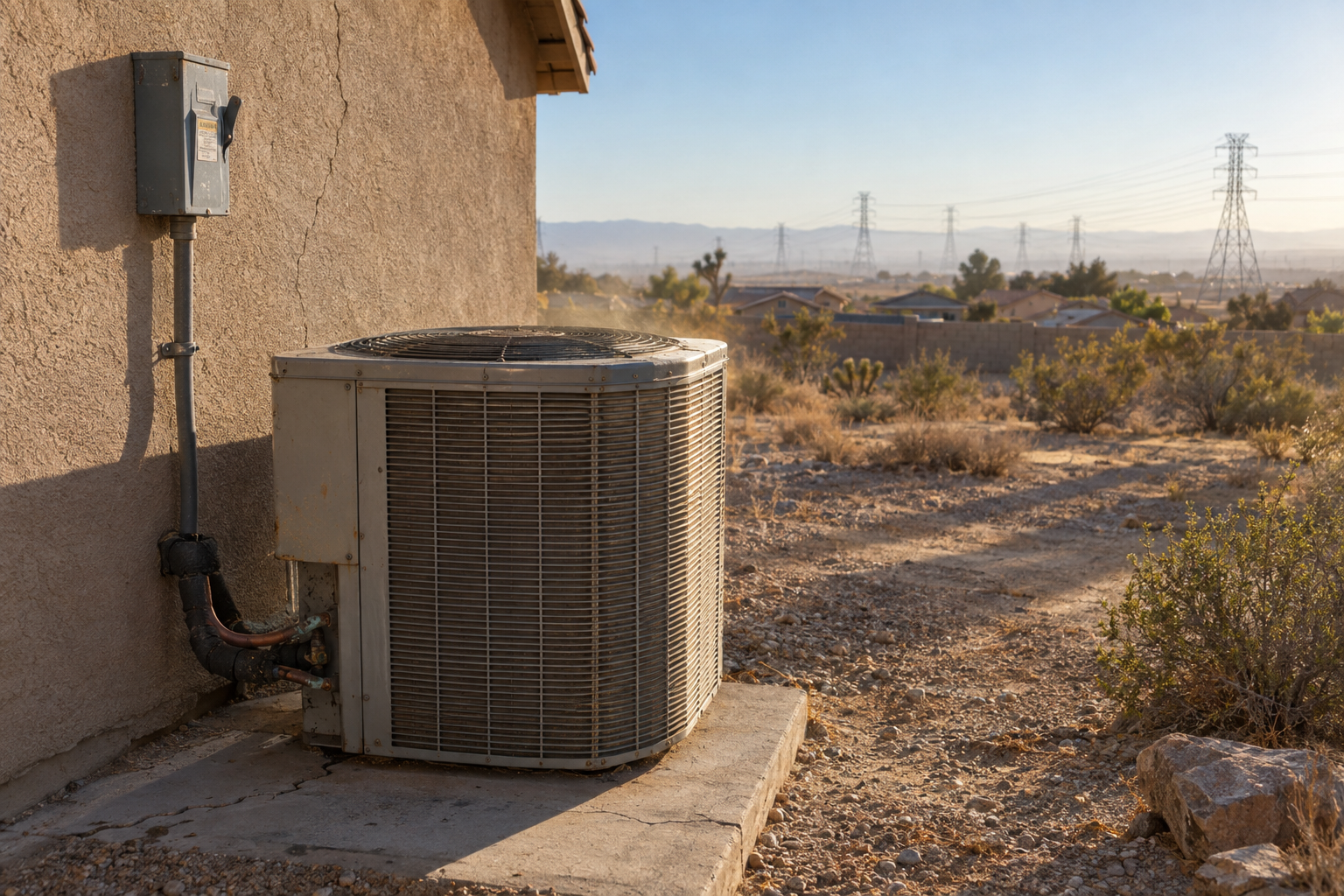
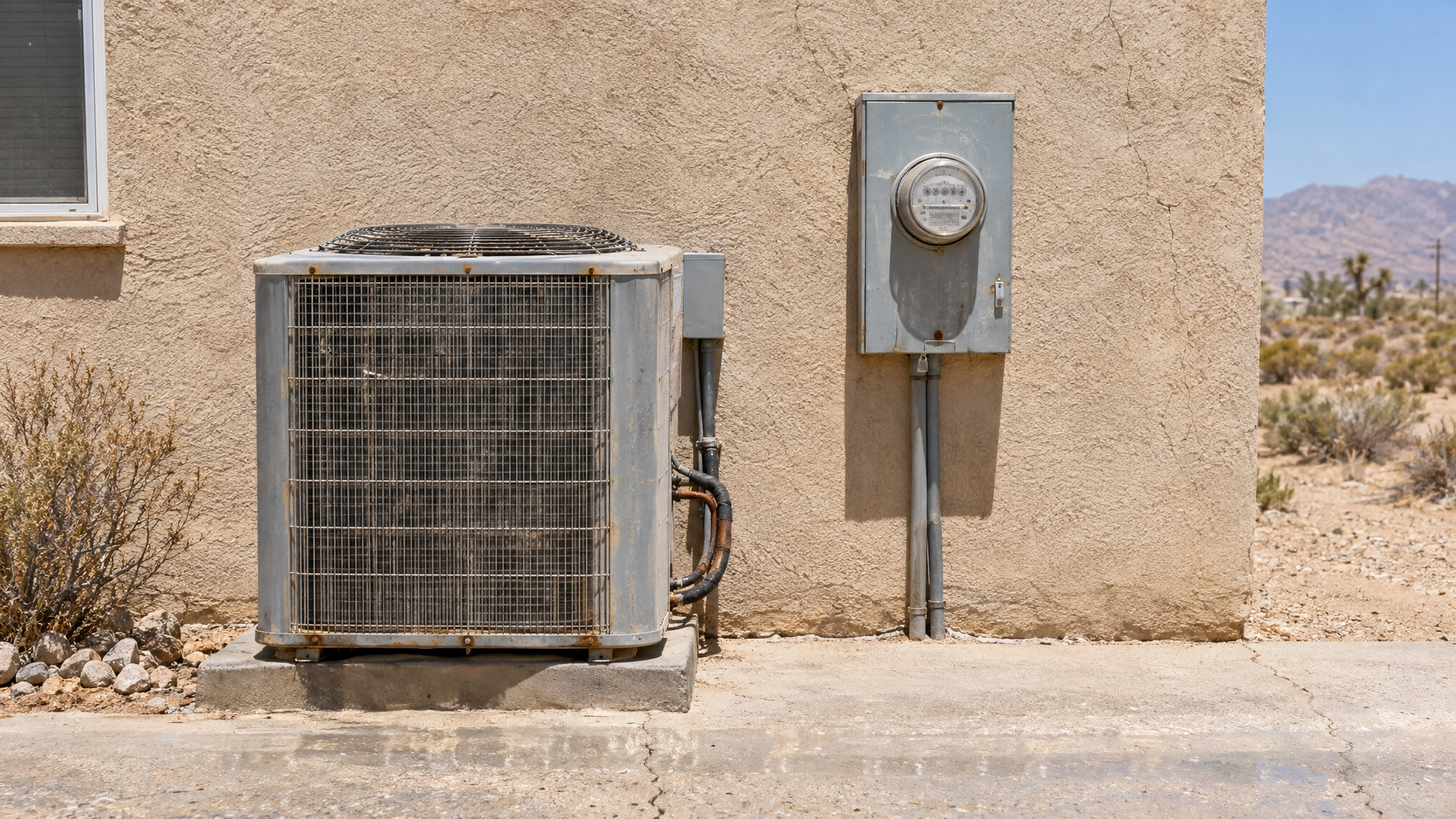
A mountain lake dock deals with snow load and freeze-thaw cycling. A Spring Valley Lake dock, sitting at the edge of the Mojave, deals with something different: sustained, intense summer heat baking exposed wiring, connectors, and GFCI devices for months at a stretch, plus the fine desert dust that works its way into equipment enclosures not built with that environment in mind. Outdoor electrical components rated for a coastal or mountain climate don't always hold up the same way under repeated 100-plus-degree days here in the High Desert, which is worth factoring in when a dock's wiring was installed by someone unfamiliar with local conditions specifically.
Boat Lifts Add Their Own Electrical Load
A boat lift motor is a genuine, dedicated electrical load, not something that should share a circuit with general dock lighting or a random outlet. Sizing that circuit correctly, and making sure the lift's own bonding and GFCI protection meet the same standard as the rest of the dock, is exactly the kind of detail that's easy to get wrong on a DIY or unlicensed installation and expensive to find out about after the fact.
Permitting Through San Bernardino County
Electrical work at a Spring Valley Lake dock still requires a San Bernardino County electrical permit, the same as anywhere else in the Hesperia and Apple Valley area, in addition to whatever approval the Spring Valley Lake Association itself requires for dock modifications under its own architectural guidelines. Confirming both before work begins avoids a project that passes county inspection but still runs into an HOA compliance issue afterward.
Why This Matters for Buying or Inspecting a Waterfront Property
If you're buying a home on Spring Valley Lake, or you already own one and have never had the dock's electrical specifically inspected, this is worth doing before assuming everything installed years ago still meets current standards. GFCI devices wear out, bonding connections corrode, and older docks were sometimes wired before today's requirements existed at all. A proper inspection catches this before it becomes a safety issue rather than after.
Own a property with dock or waterfront electrical on Spring Valley Lake?
Get it properly inspected.
Call Hesperia Electrical at (760) 905-9997.