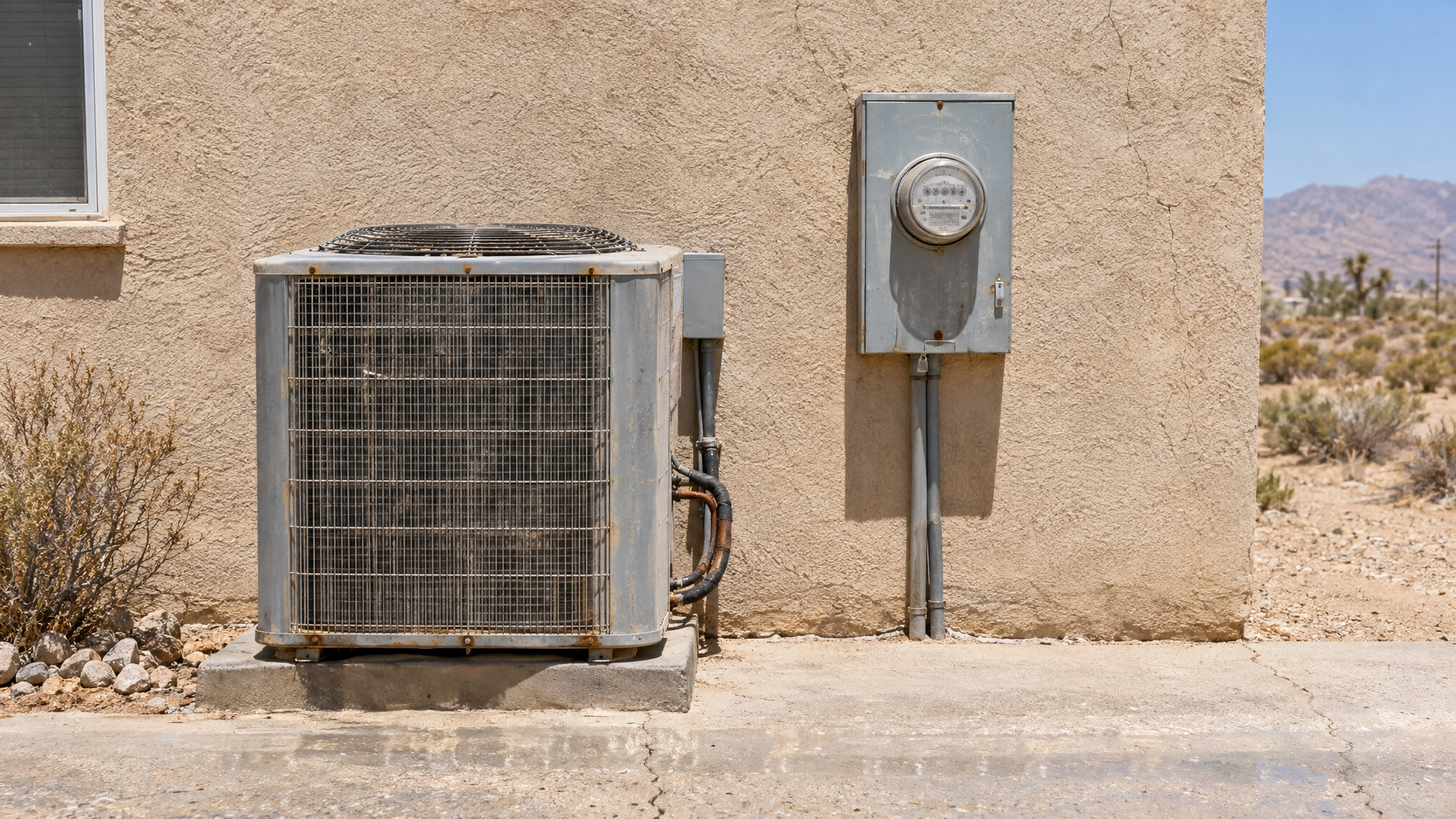
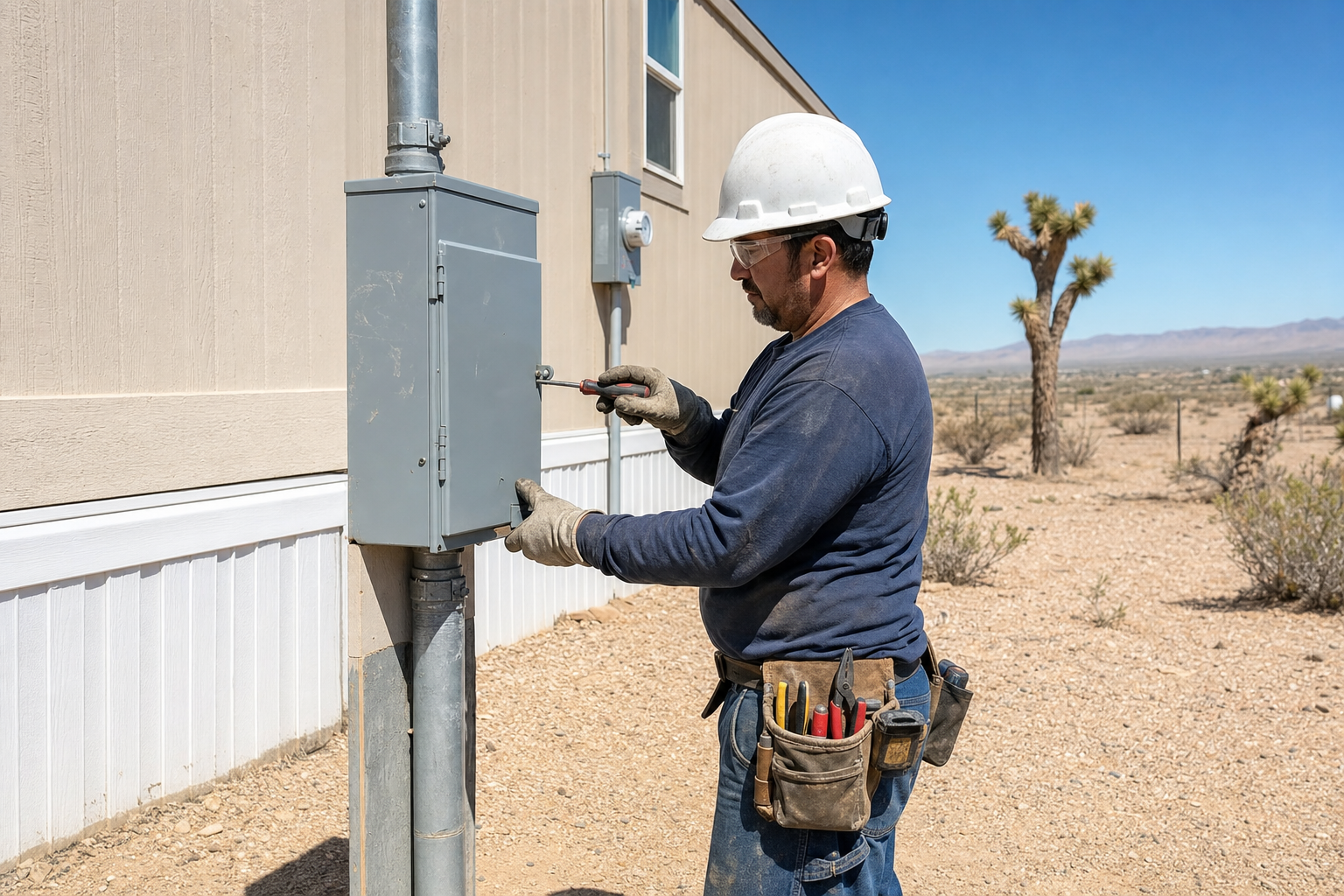
By the time late September rolls around in Hesperia, your AC system has already run harder, longer, and more continuously than at almost any other point in the year — and this year's been no exception. Victorville hit 105°F under an actual Extreme Heat Warning about a month ago, with Hesperia close behind at 100°F, and another heat warning period followed just weeks after that. If your system has made it through a summer like that without a single hiccup, that's not luck running out when it finally does trip a breaker in late September — it's the accumulated wear from months of near-continuous operation finally showing up.
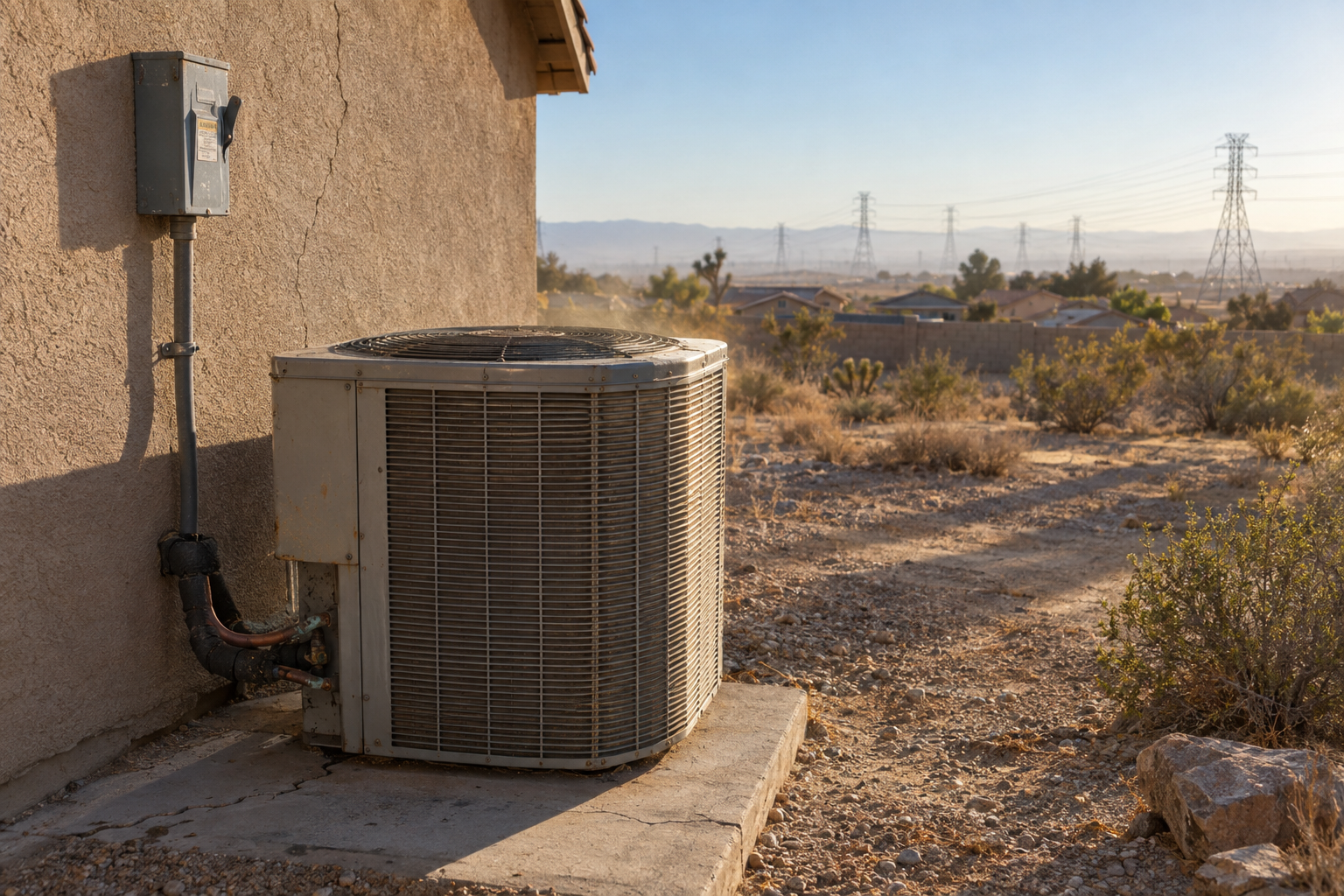
Here's what actually happens over a summer like this one: every hot afternoon, your compressor runs longer per cycle and cycles more often, which means more total hours of operation, more thermal expansion and contraction at every electrical connection, and more cumulative stress on a circuit that might have been marginal even in June. A connection that was slightly loose in early summer doesn't necessarily fail on day one — it loosens a little more with each heat cycle, and by the time you're three months into sustained high demand, what started as a minor issue has become a real one. Late-season failures aren't a coincidence. They're the predictable result of a system that's been quietly deteriorating since the first real heat wave.
Why "It Made It Through Summer Fine" Is the Wrong Signal to Trust
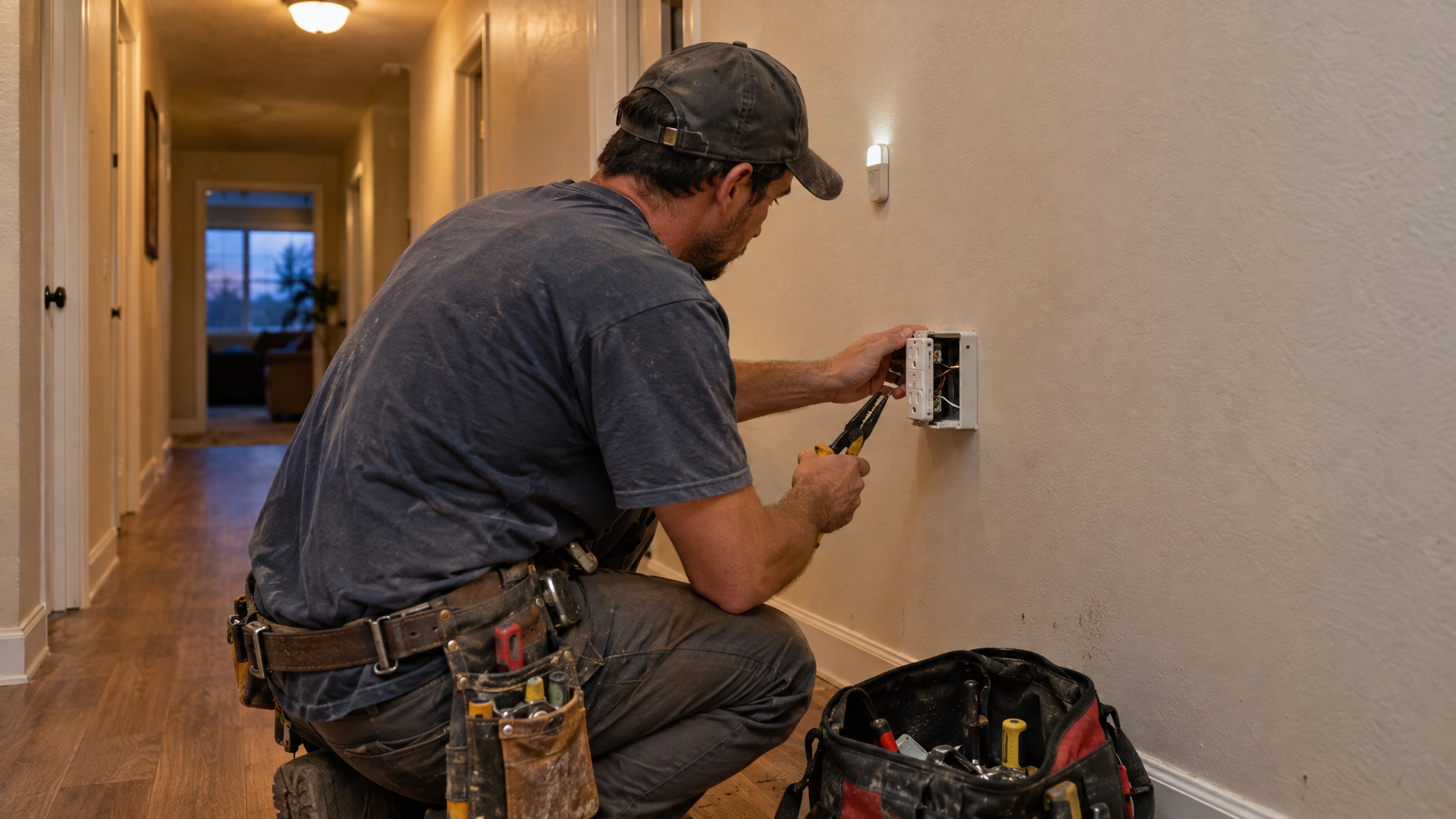
This is worth understanding clearly, because it's the exact assumption that catches people off guard. A system doesn't have to fail visibly to be degrading — a slightly loose connection can run for months without tripping anything, generating a little extra heat at that one point every time the compressor kicks on, expanding and contracting the metal just a bit more each cycle. There's no warning light for this. The first sign most homeowners get is the breaker finally tripping, often on a day that doesn't even feel as brutal as the actual peak of summer, simply because that's the day the connection finally gave out after months of incremental wear. "Nothing's happened yet" and "nothing's wrong" are two very different statements, and confusing them is exactly how a manageable inspection becomes an emergency service call three weeks later.
Hesperia's electrical infrastructure is genuinely built around handling serious load, for what it's worth — Path 61, the 500,000-volt transmission line connecting SCE's Lugo substation to LADWP's Victorville substation, runs directly through the southwestern part of the city. That's about the grid's capacity, though, not your home's panel — the transmission infrastructure moving huge amounts of power past Hesperia doesn't do anything for a residential circuit that's been asked to do more than it was ever sized for.
The Second Stressor: Wind and Dust Season Overlapping With Heat Fatigue
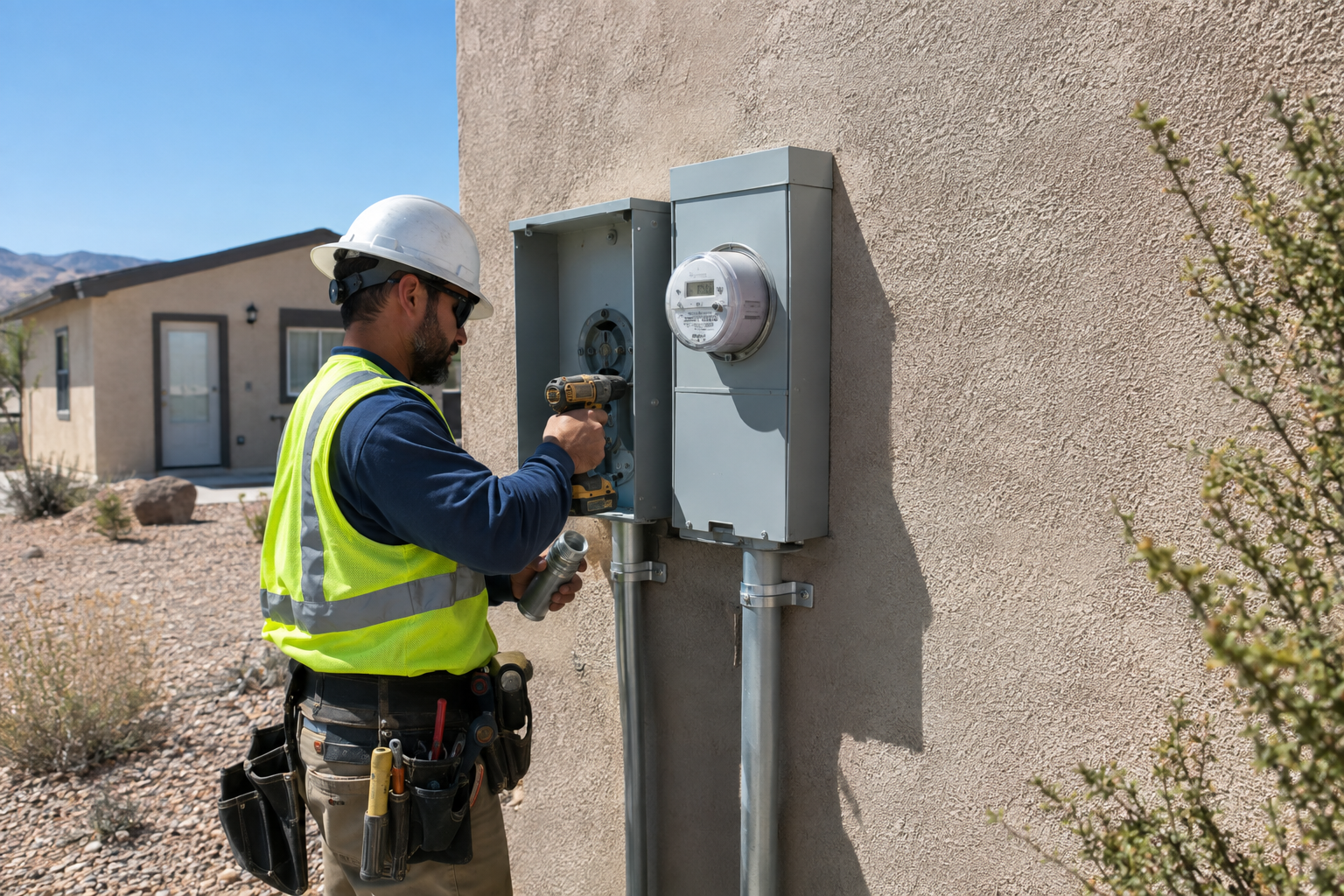
This time of year adds a second stressor on top of the heat: wind. High Desert wind advisories with gusts well past 30 mph, sometimes into the 50-60 mph range, aren't unusual heading into fall, and blowing dust events are common enough that they show up in routine forecasts for the area. Wind-driven debris and dust don't just make driving unpleasant — they're a real factor in service line and equipment wear too, adding to whatever stress your system has already absorbed from the heat. A connection that's already running warmer than it should be from months of heat cycling is exactly the kind of weak point that a wind-driven service line disturbance can push past its limit.
What to Actually Check Before the Next Heat Event
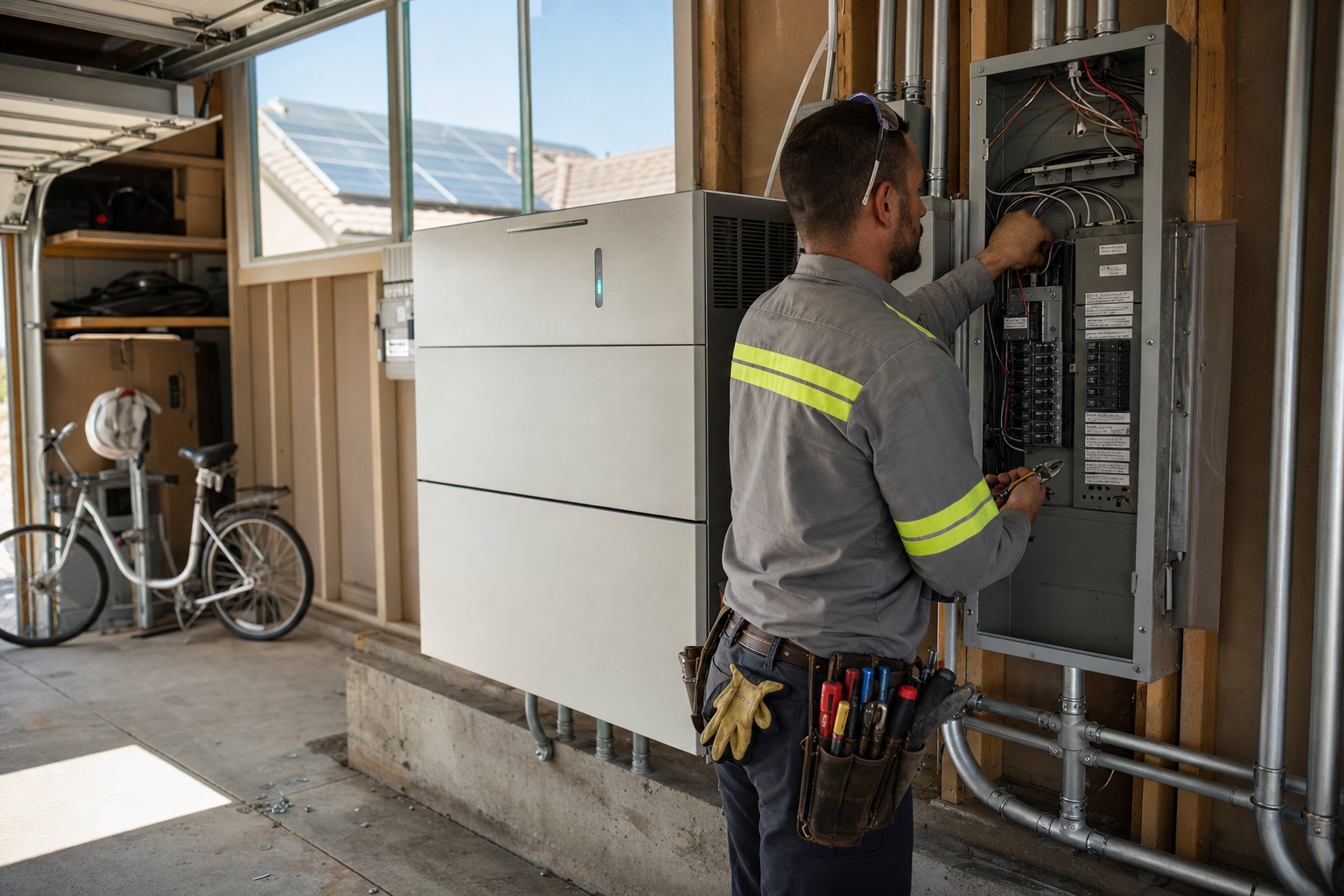
If your AC has been running non-stop through a summer like this one, a few things are worth checking before you assume everything's fine just because nothing's failed yet: has your breaker been tripping more often, even briefly, without you thinking much of it? Does anything near your panel or outdoor disconnect feel warm to the touch? Has your system's performance felt like it's degraded gradually rather than failed all at once? Any of these are worth a real look now, while it's an inconvenience, rather than in the middle of the next heat event, when it's an emergency.
Why Timing This Matters More Than It Seems
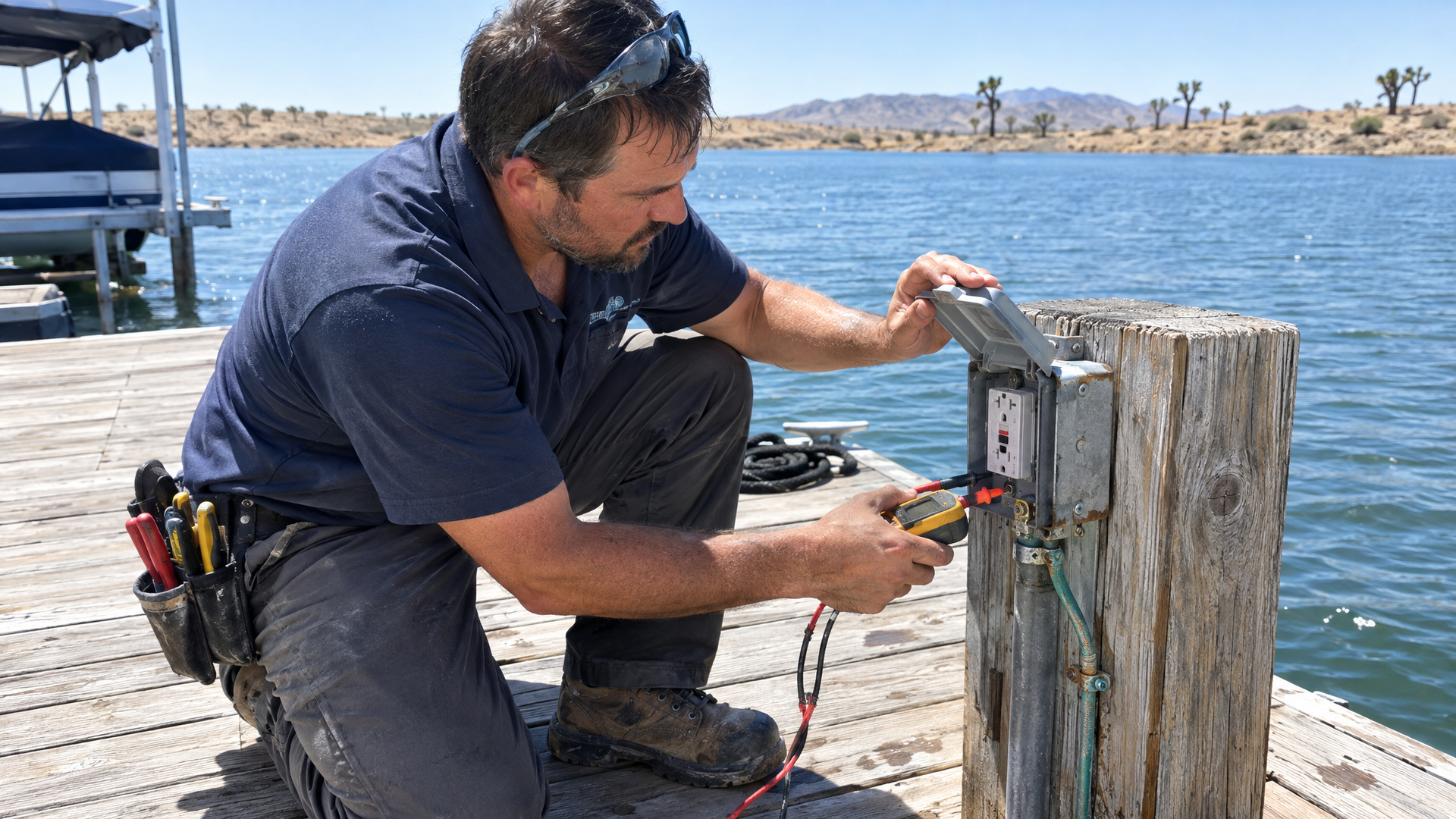
Getting ahead of this now, rather than waiting for a failure, isn't just about avoiding an inconvenient outage. Electrical demand for service calls spikes hard during and immediately after every heat wave, which means scheduling gets tight exactly when you need it least. A proactive inspection scheduled on your timeline takes a fraction of the time and cost of an emergency call placed during the next 100-degree afternoon, when every electrician in the High Desert is fielding the same calls at once.
Don't wait for your panel to make the decision for you. If your AC circuit has been through a rough summer, get it inspected now — before the next heat wave finds the weak point on its own schedule instead of yours.
Call Hesperia Electrical today at (760) 905-9997 and get ahead of it.