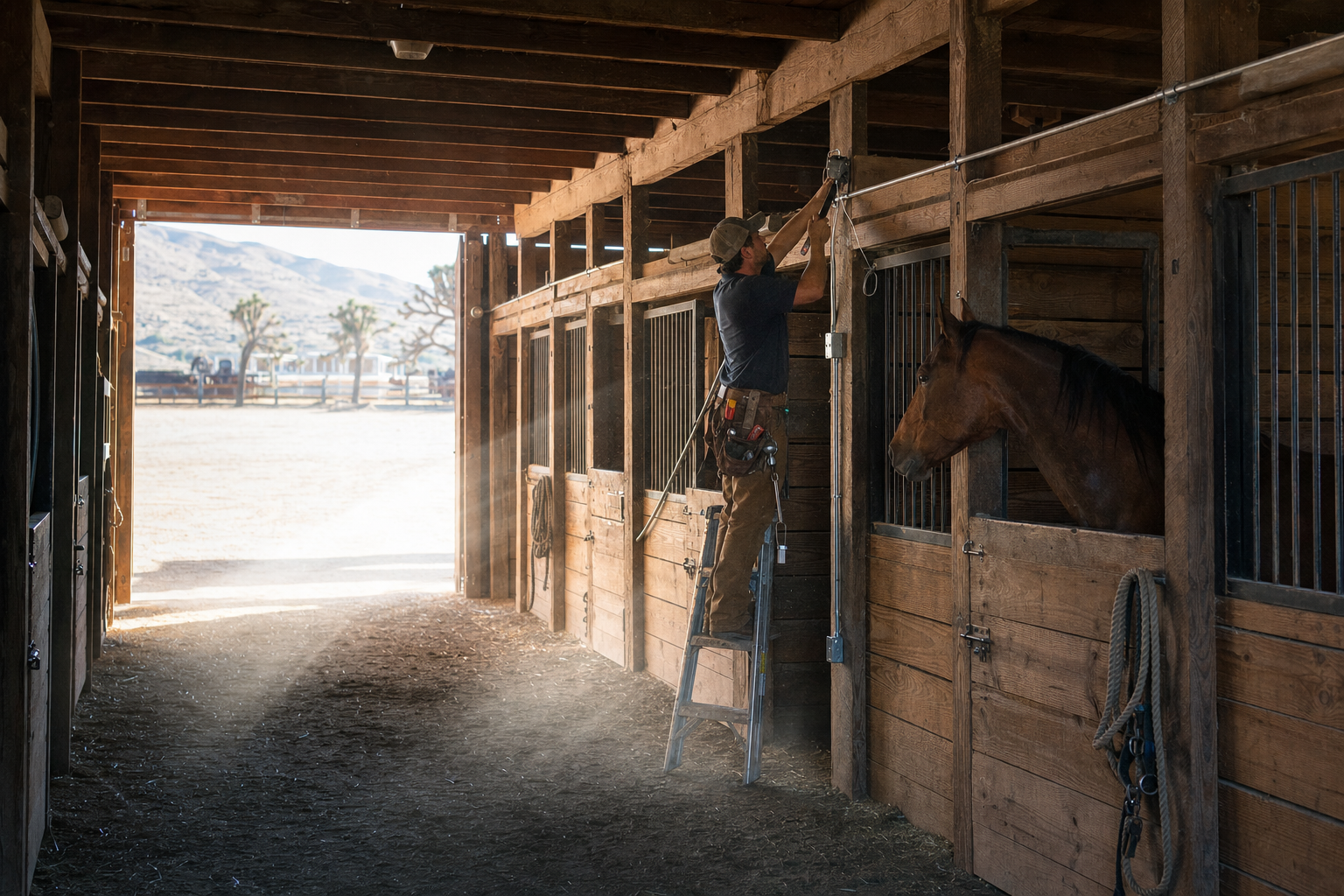
Quick answer: Barns and structures that house livestock fall under NEC Article 547, a stricter code section than standard residential wiring — standard Romex is prohibited in animal confinement areas, equipotential bonding is required anywhere livestock contact concrete or wet flooring, and a dedicated distribution point with its own overcurrent protection is required for the building. For Hesperia's substantial equestrian community, from
Oak Hills to Summit Valley, getting this wrong isn't just a code violation — it's a genuine fire and animal safety risk.
Why Does Hesperia Have So Many Horse Properties in the First Place?
Hesperia's zoning has protected rural, large-lot living since its earliest planning documents — A1 Limited Agricultural zoning allows livestock keeping on lots as small as one acre, A1-2½ zoning specifically protects horse and large-animal use on 2.5-acre-minimum parcels, and RR-20000 rural residential zoning permits animal keeping on 20,000-square-foot lots. Areas like Oak Hills and Summit Valley have built a genuine equestrian identity around this zoning, and Hesperia is home to
Rancho Los Alamos — known internationally as Carril de Campeones — a 30-plus-acre facility and one of only three properties in California holding a Conditional Use Permit to host horse racing. This isn't a community with a handful of backyard horses; it's genuine equestrian infrastructure, with barns, arenas, and stables that need to be wired to match.
Why Can't You Just Run Standard Romex Wiring Into a Barn?
This is the single most common mistake we find on Hesperia horse properties, and it's a real problem. NEC Article 547 governs agricultural buildings specifically because of the dust, moisture, and corrosive conditions — ammonia vapor from manure, wash-down water, feed dust — that a standard house wiring system was never designed to handle. Standard Type NM cable (Romex) is generally prohibited in animal confinement areas under Article 547; approved wiring methods instead include Type UF cable, Type NMC cable, copper Type SE cable, jacketed Type MC cable, or wiring run through rigid conduit, intermediate metal conduit, or liquidtight flexible conduit. Desert dust adds its own wrinkle here too — fixtures and enclosures need to be genuinely dust-tight, not just "outdoor rated," to hold up against the fine, wind-driven dust common throughout the High Desert.
What Is an Equipotential Plane, and Why Does Your Barn Need One?
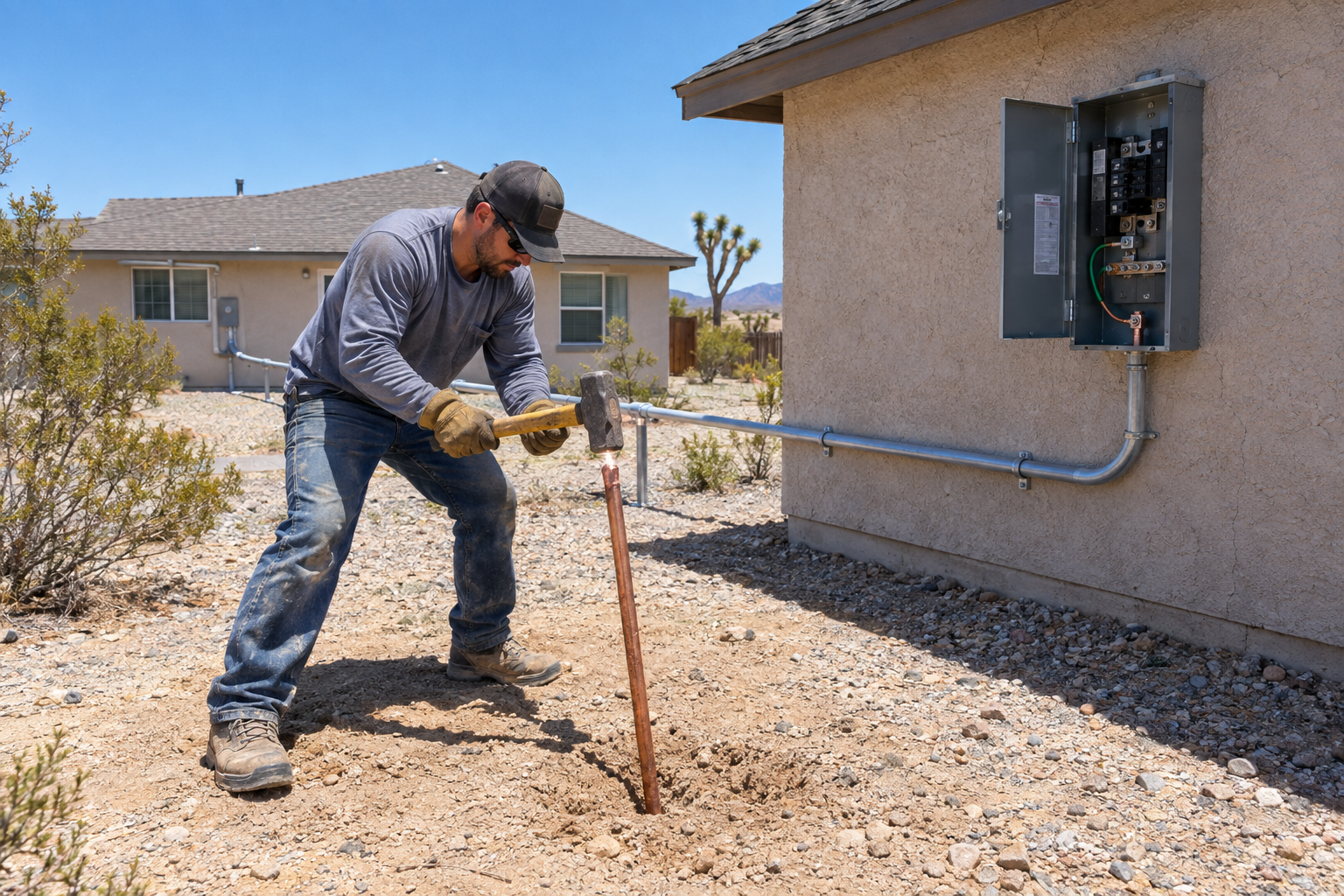
An equipotential plane is a conductive grid, bonded to the electrical grounding system, installed in concrete areas where livestock stand — most commonly around wash racks, watering areas, and other wet concrete flooring. Its purpose is to eliminate voltage differences an animal could experience by contacting the ground in two different spots simultaneously, since livestock are notably more sensitive to small voltage gradients than humans are. This is directly analogous to the equipotential bonding requirement we cover for
pool and spa electrical work under NEC 680 — different code article, same underlying safety principle: eliminate dangerous voltage gradients wherever living things are in repeated contact with a wet or grounded surface.
Where Do GFCI Requirements Apply, and Where Don't They?
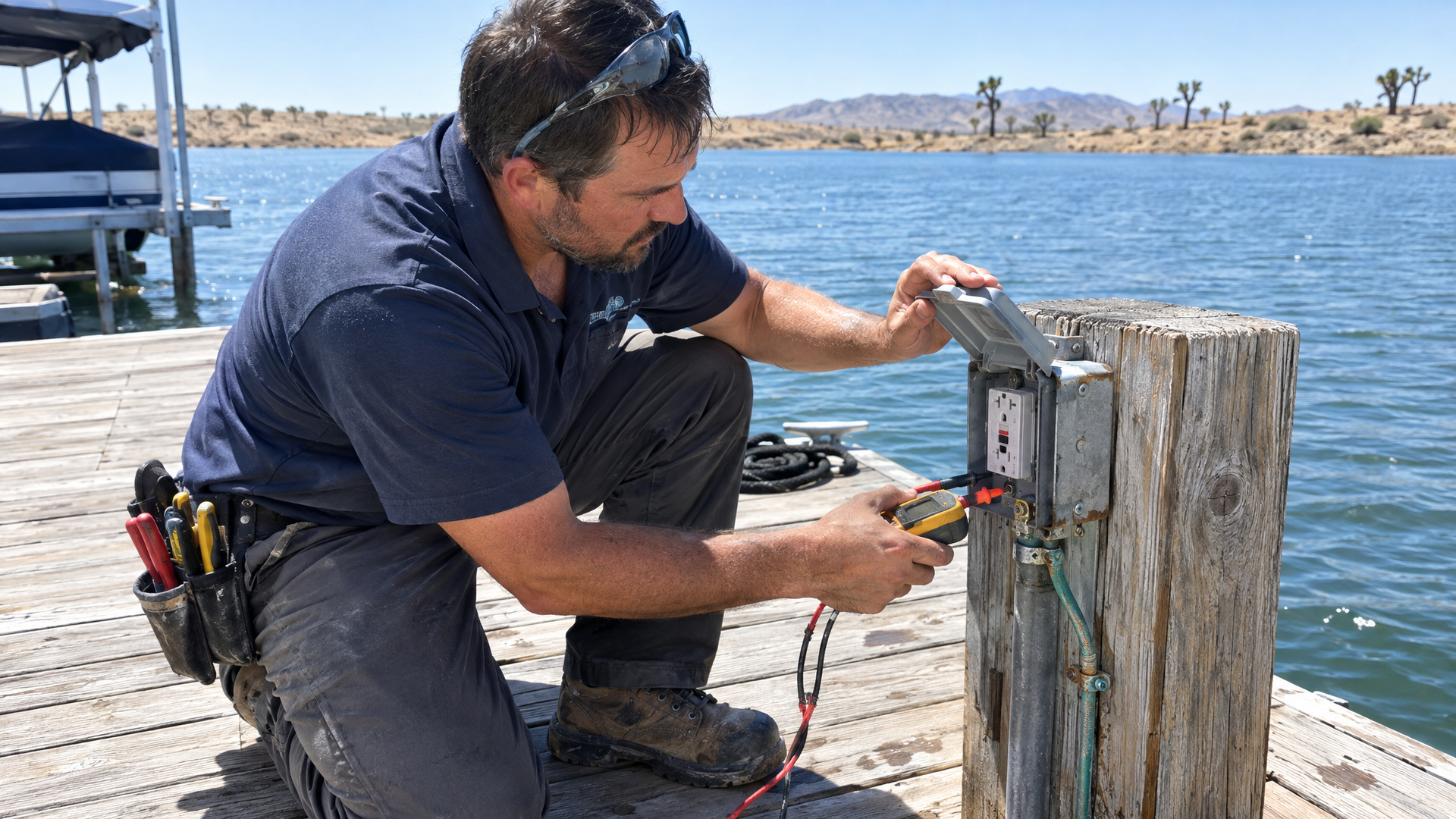
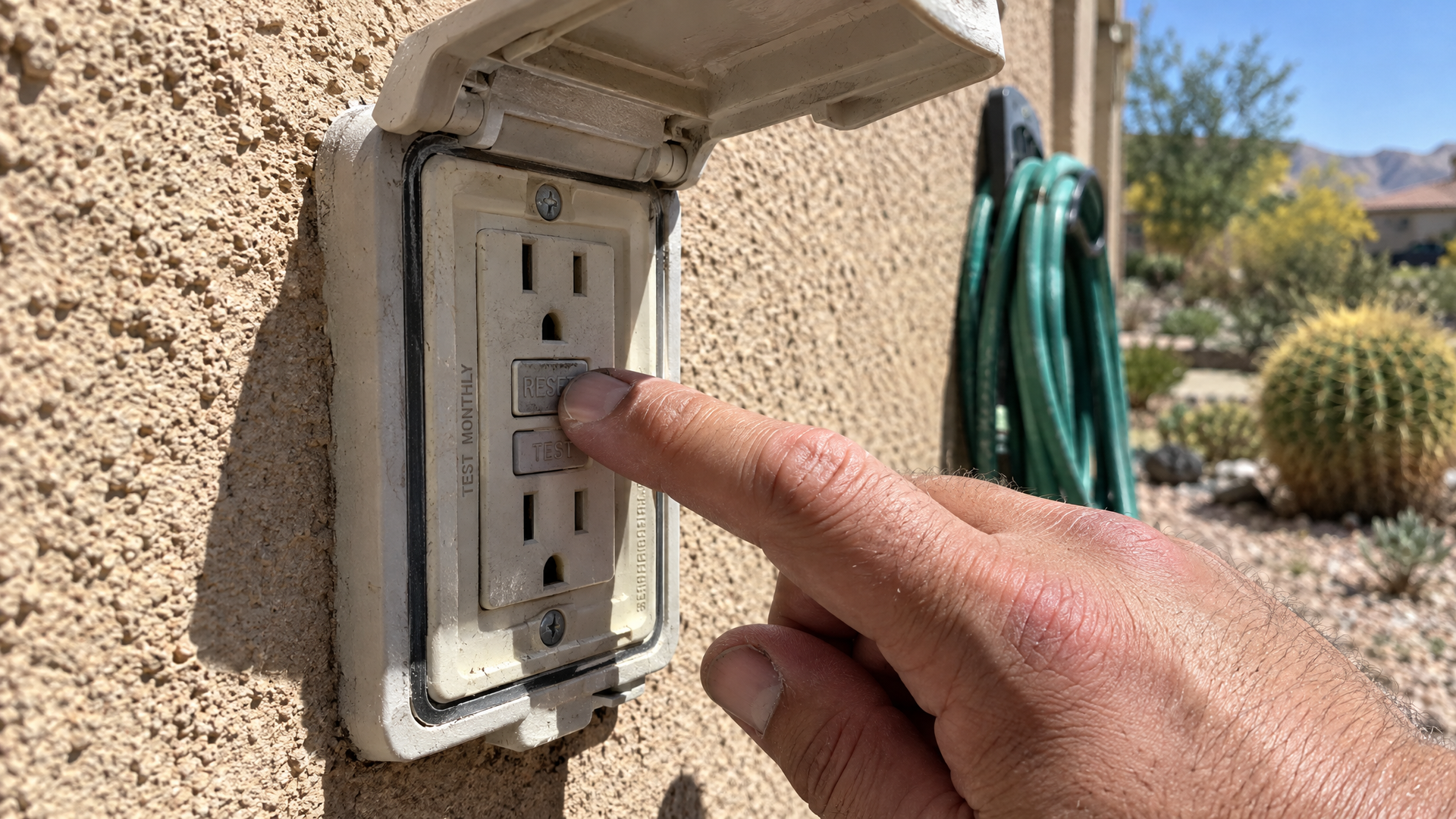
Under Article 547, 125-volt, 15- and 20-amp general-purpose receptacles require GFCI protection specifically in areas with an equipotential plane, outdoor locations, damp or wet areas, and dirt confinement areas for livestock. This is broader than most homeowners expect from a barn wiring project — it's not just the wash rack that needs GFCI protection, but effectively every general-purpose outlet in and around the structure given how many of these conditions overlap in a working barn.
What's the Distribution Point Requirement Most DIY Barn Wiring Gets Wrong?
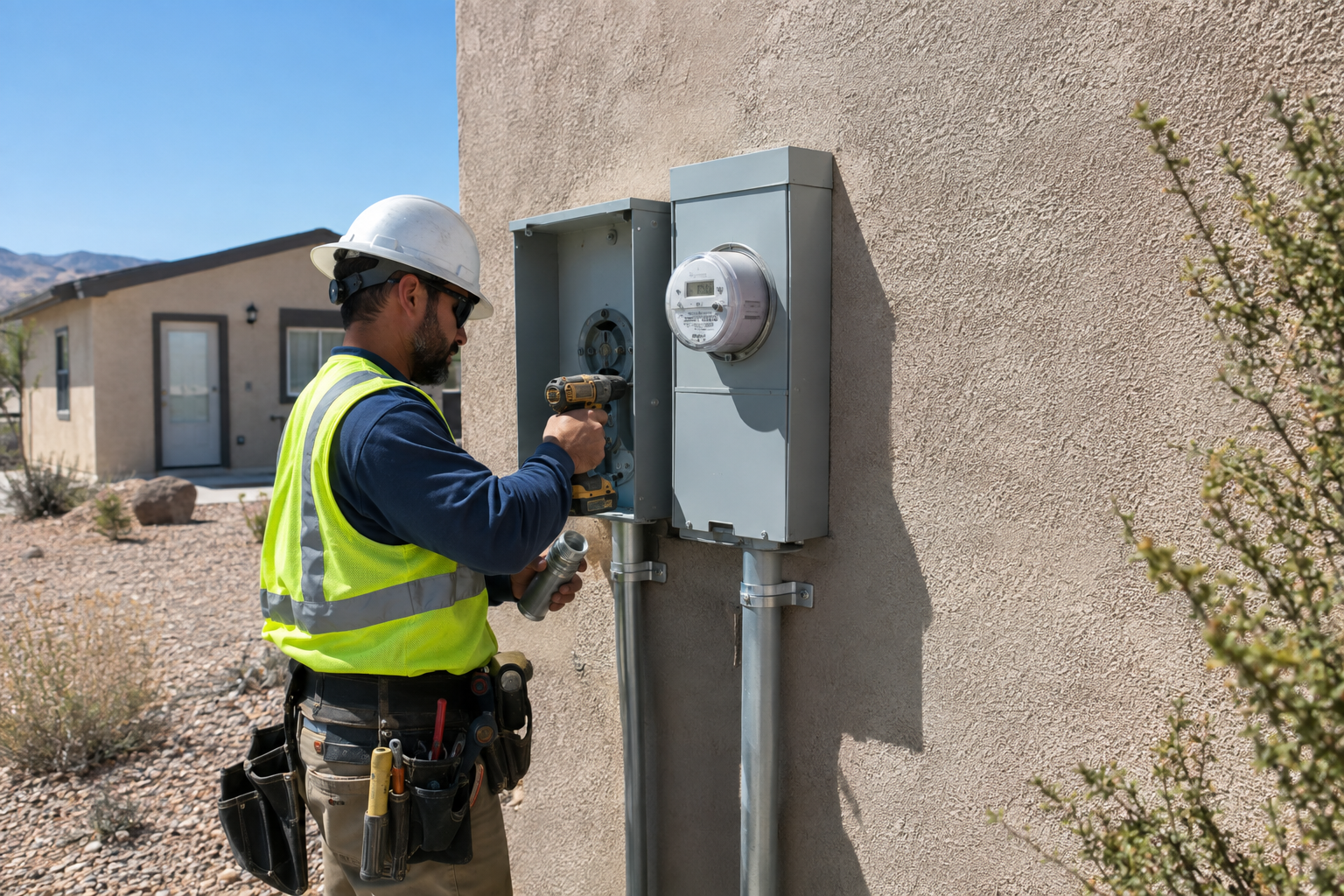
Article 547.9 requires that branch circuits and feeders to agricultural buildings housing livestock be supplied through a dedicated distribution point, with its own overcurrent protection for underground feeder and branch circuit runs. In practice, this means a barn can't simply be an extension cord run or a single circuit tapped off the main house panel — it needs its own properly protected, properly documented electrical distribution point, which is exactly the kind of scope a licensed electrician plans for from the start rather than retrofitting after the fact.
Why Does Well Pump Electrical Matter for Most Hesperia Horse Properties?
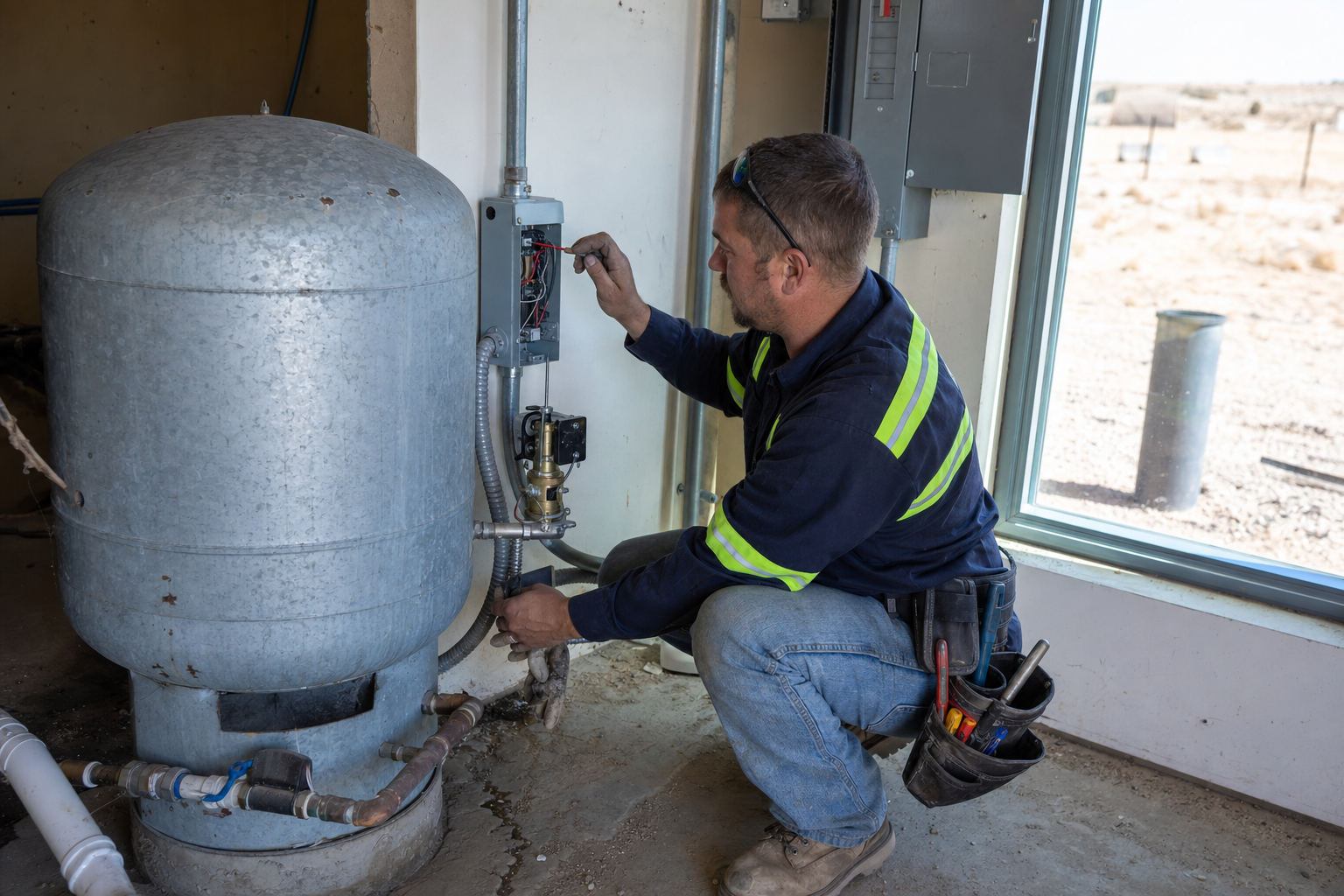
Rural Hesperia properties — including several of the larger equestrian parcels around Oak Hills and Summit Valley — commonly rely on private well water rather than municipal service, and a well pump is a serious, continuous electrical load that needs its own properly sized circuit and protection. For a horse property specifically, well pump reliability isn't a convenience issue — it's the water supply for the animals. If your property already depends on backup power during outages, our
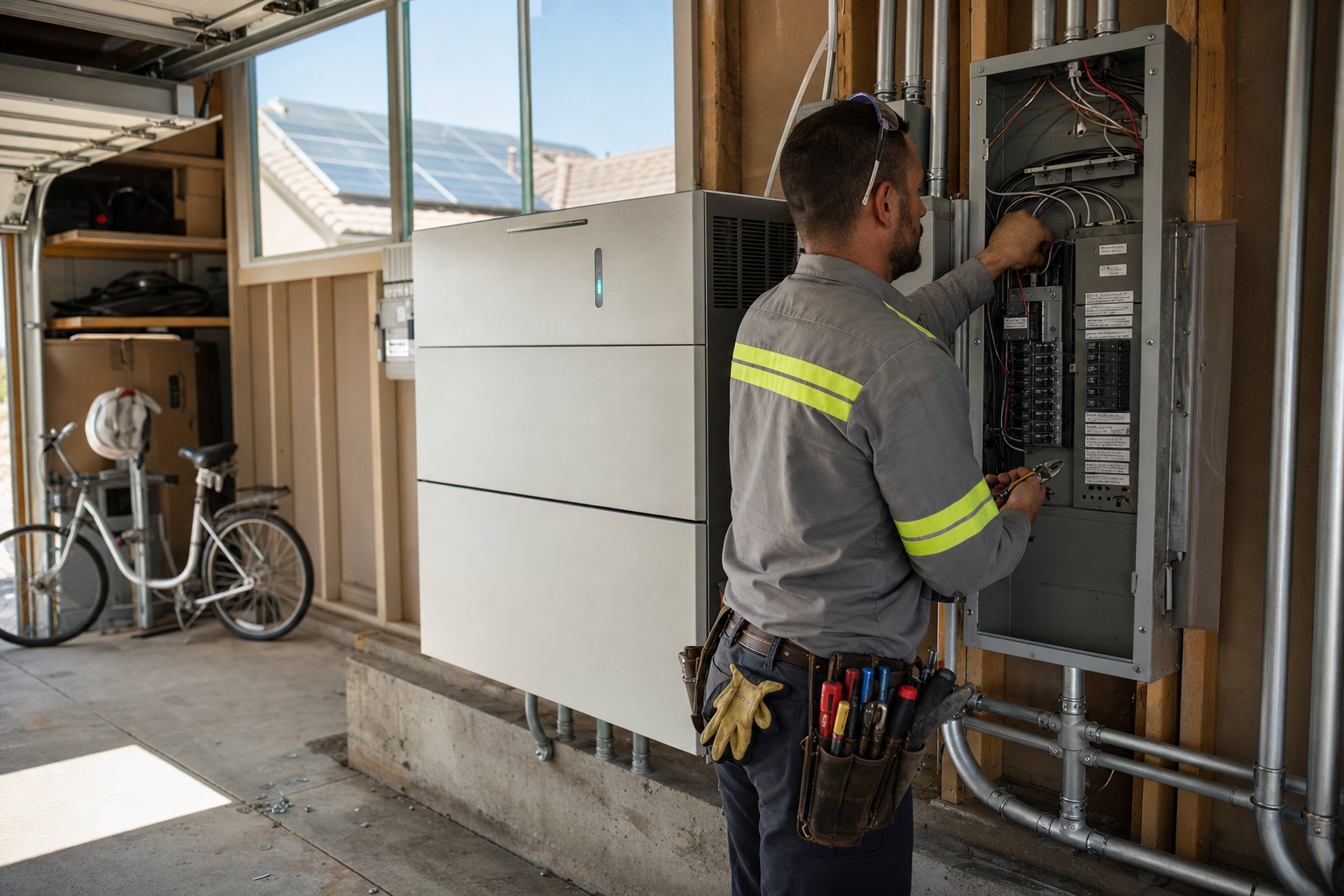
PSPS and battery backup guide is worth reviewing alongside your barn electrical planning, since a well pump is exactly the kind of critical load worth including in a backup power plan.
What Actually Holds Up for Arena and Barn Lighting in Desert Dust?
Beyond code compliance, practical fixture selection matters enormously in the High Desert's dust and temperature swings. Sealed, dust-tight LED fixtures rated for wet or damp locations hold up dramatically better than standard interior fixtures, which tend to fail early once fine desert dust works into housings never designed to keep it out. For riding arenas specifically, lighting layout also needs to account for even coverage without harsh shadows that can spook animals — a design consideration on top of the baseline code requirements.
Does Every Outbuilding on My Property Need to Meet Article 547?
Not necessarily, and this is worth understanding before assuming every structure on your property needs the same treatment. Article 547 applies specifically to buildings housing livestock or subject to the dust, moisture, and corrosive conditions the code addresses — a detached garage used purely for equipment storage, or a farm office with no animal contact, may fall under standard residential code instead. The local authority having jurisdiction makes the final call on classification, which is exactly why a proper assessment of your specific structures matters before wiring begins, not after.
What Does Barn and Horse Property Electrical Work Cost in Hesperia?
- Barn wiring assessment and code compliance review: $200–$400
- New agricultural-rated circuit (Article 547 compliant): $500–$1,200 per circuit depending on run length and conditions
- Equipotential plane installation (wash rack or watering area): $800–$2,000 depending on area size
- Dedicated distribution point installation: $1,500–$3,500
- Well pump circuit installation or evaluation: $600–$1,500 depending on pump size and existing infrastructure
- Full barn electrical build-out (new construction): quoted per project based on square footage and scope
FAQ
Can I use regular Romex wiring in my horse barn?
Generally no. Standard Type NM cable is prohibited in animal confinement areas under NEC Article 547, which instead requires wiring methods like Type UF, Type NMC, copper Type SE, jacketed Type MC cable, or conduit-protected wiring.
What is an equipotential plane, and does my barn need one?
It's a bonded conductive grid installed in concrete areas where livestock contact wet or grounded surfaces, such as wash racks, designed to eliminate dangerous voltage differences. It's required specifically in these livestock contact areas under Article 547.
Do all outlets in my barn need GFCI protection?
Most do. GFCI protection is required for 125V, 15- and 20-amp receptacles in areas with an equipotential plane, outdoor locations, damp or wet areas, and livestock dirt confinement areas, which covers most of a typical working barn.
Does my well pump need special electrical consideration on a horse property?
Yes. A well pump is a critical, continuous load, especially important for livestock water supply, and it deserves its own properly sized circuit and inclusion in any backup power planning for the property.
Does every structure on my equestrian property need to meet NEC Article 547?
Not necessarily. Article 547 applies specifically to buildings with livestock or agricultural conditions present. A structure like a detached garage or farm office may fall under standard residential code instead, subject to the local authority's determination.
Building, buying, or rewiring a horse property in Hesperia, Oak Hills, or Summit Valley? Get electrical work that actually meets NEC Article 547, not just standard residential code.
Call Hesperia Electrical at (760) 905-9997 for a free assessment.