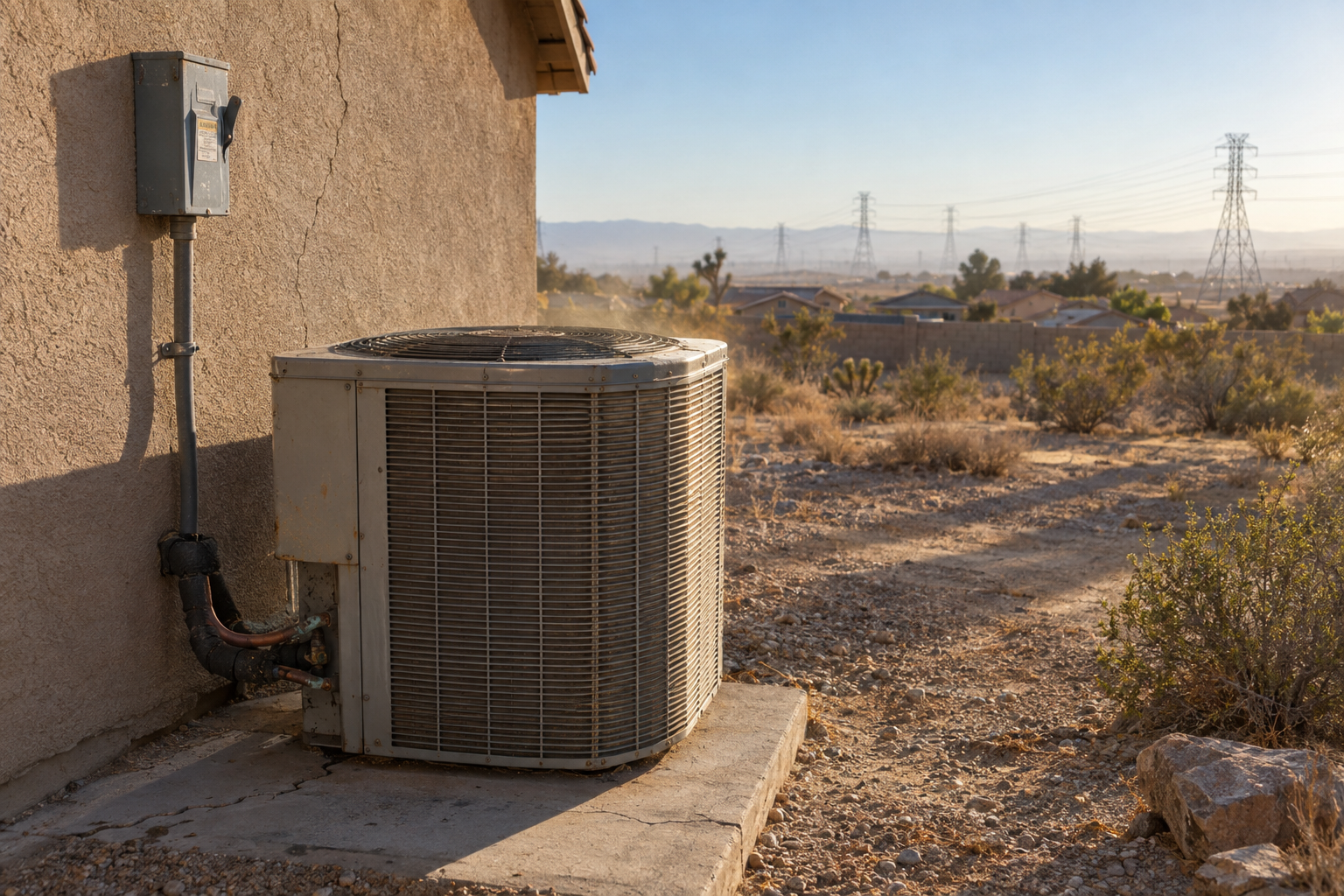
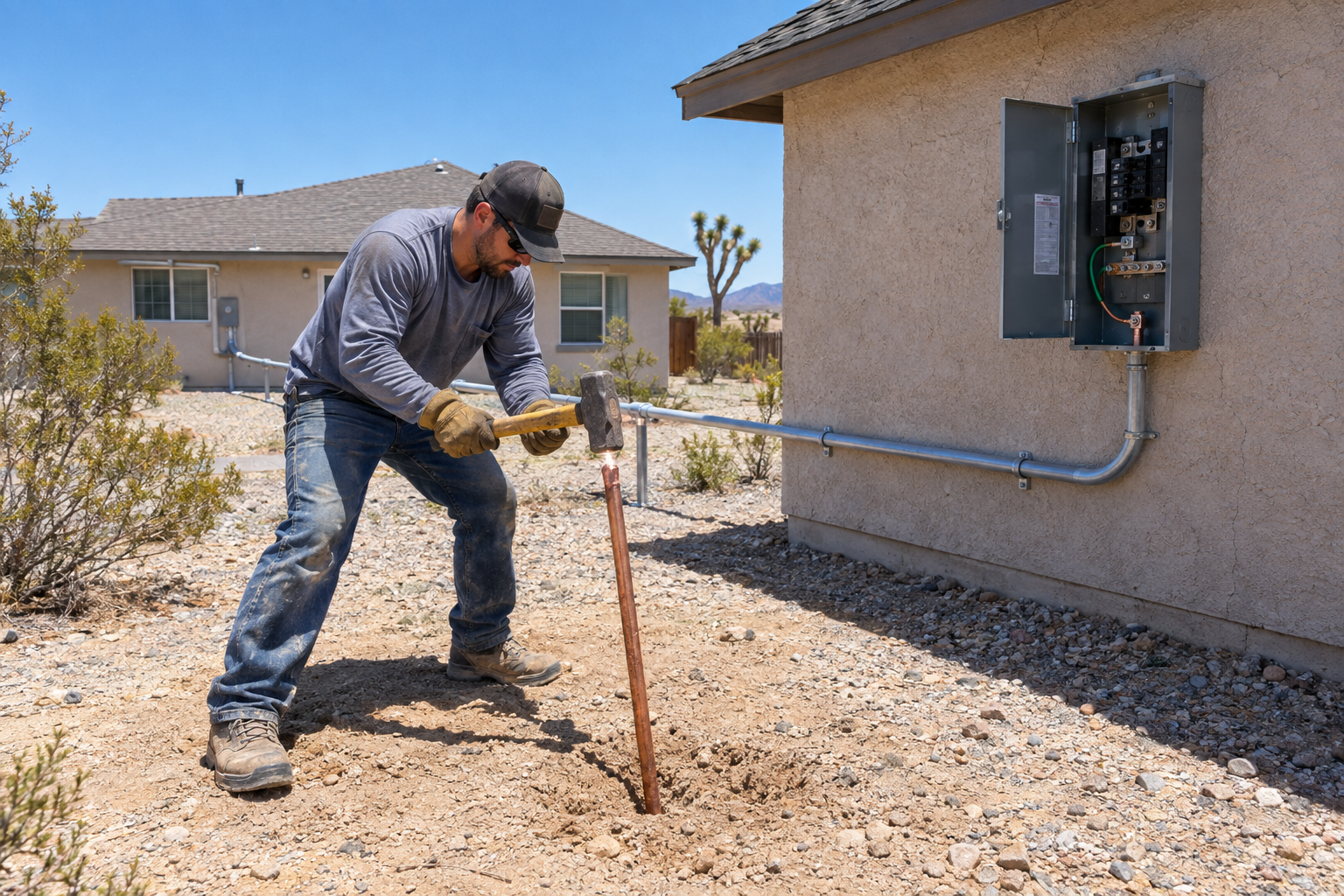
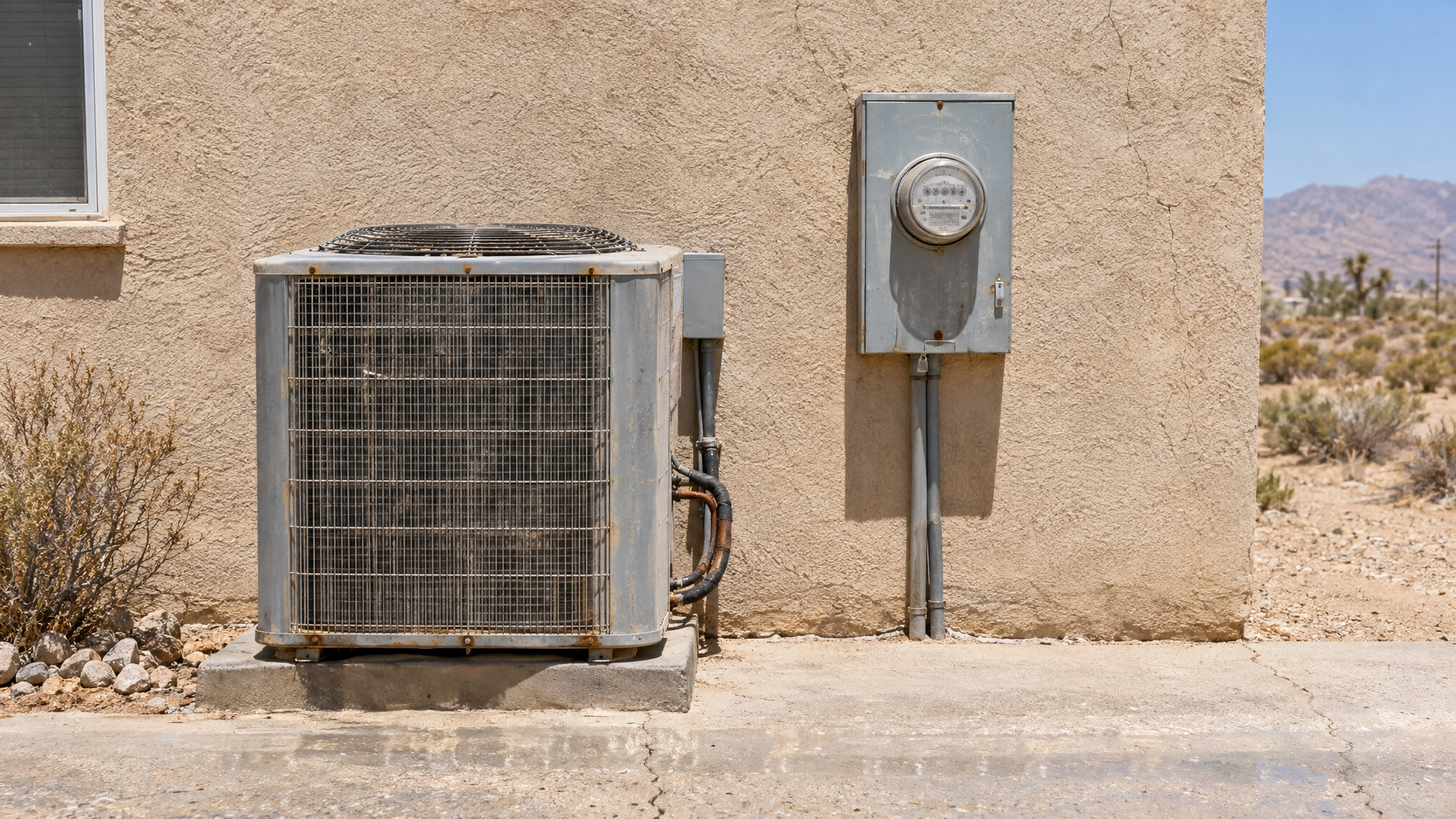
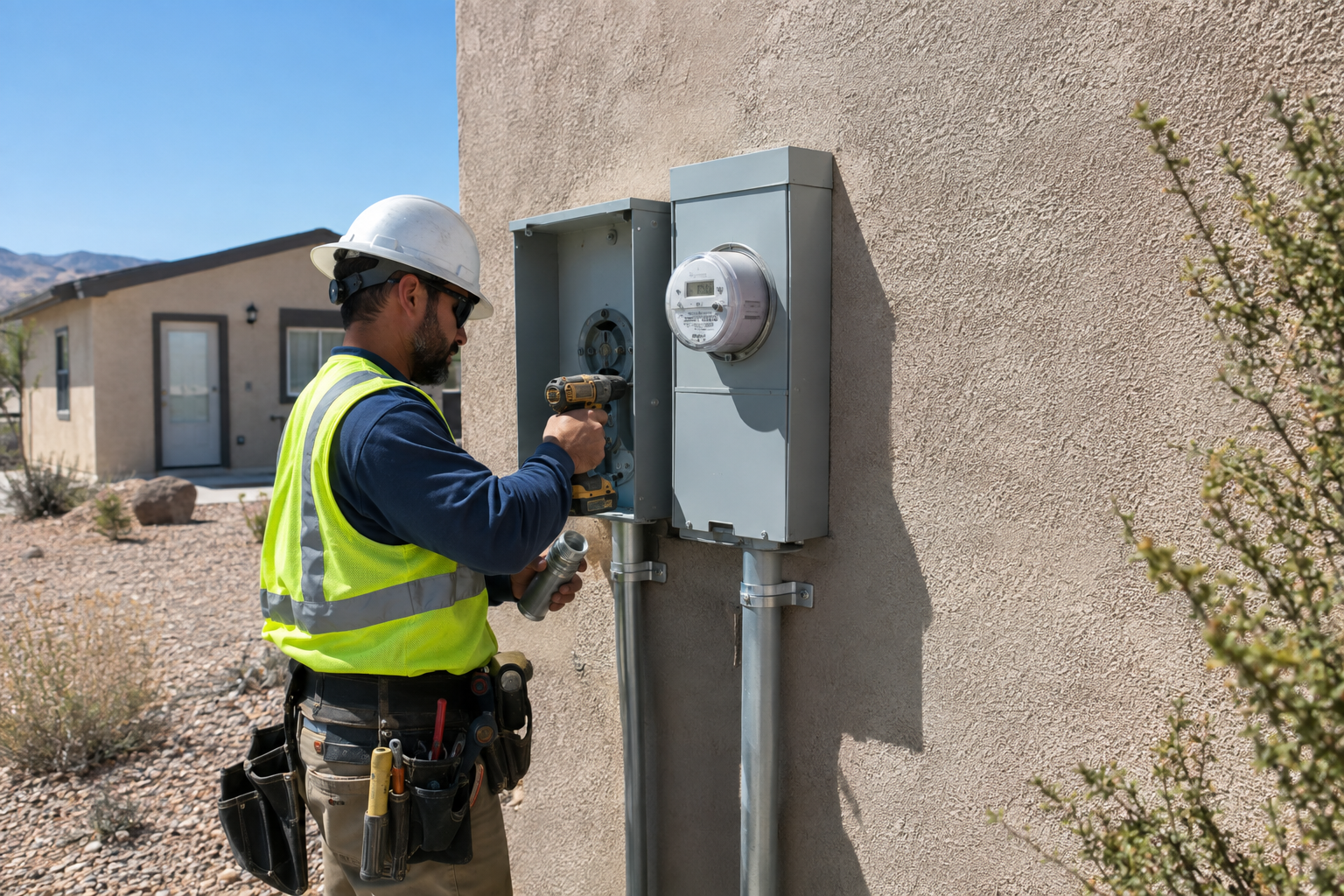
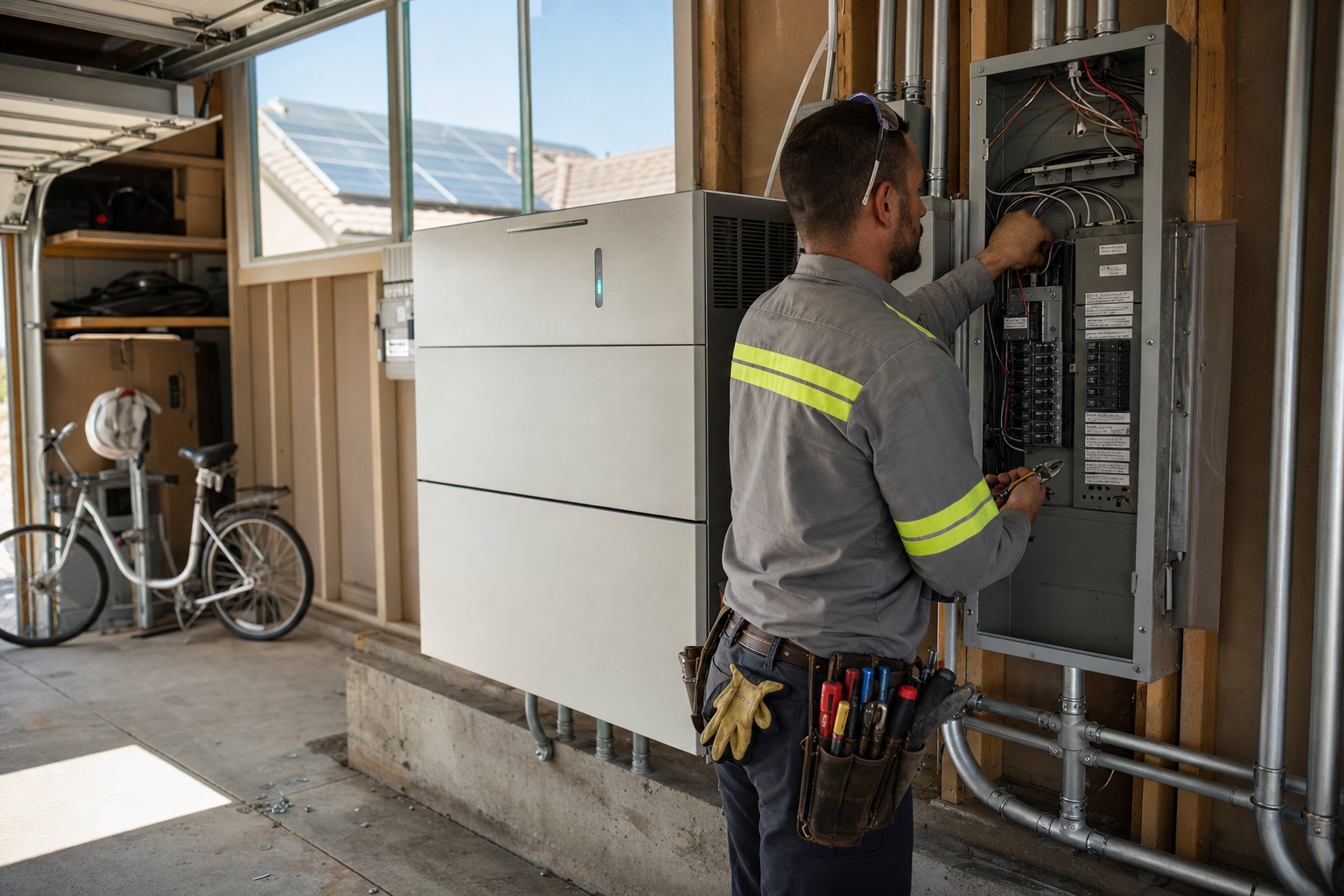
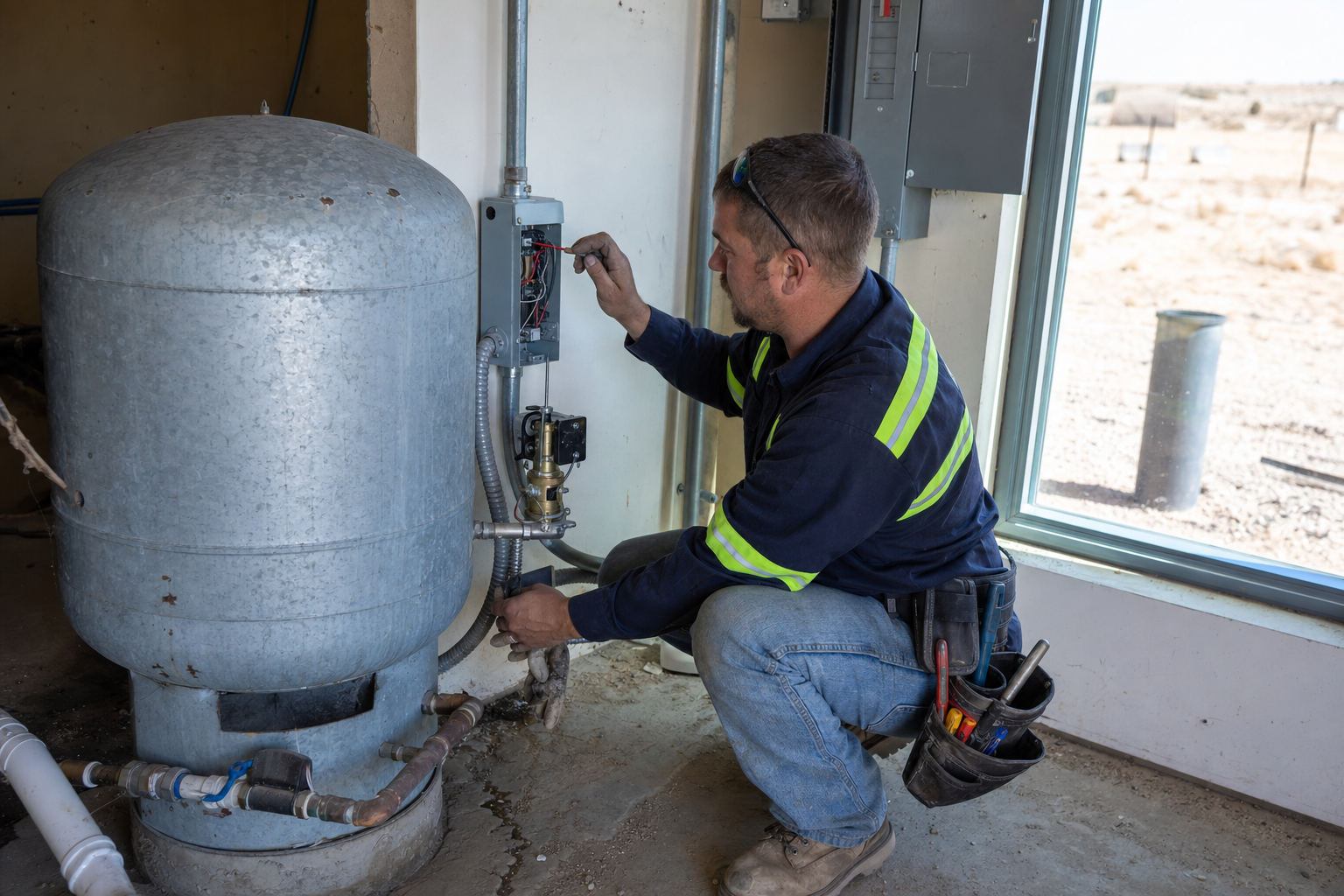
The High Desert has a lot of older homes. Hesperia, Victorville, and Adelanto saw major tract development through the 1970s, 1980s, and early 1990s — and a significant percentage of those homes are still running on the original wiring. That wiring wasn't designed for the way people use electricity today, and in many cases it's become a genuine safety liability.
This post covers what whole-home rewiring involves, how to know if your High Desert home needs it, what it costs, and what to expect from the process.
Why Older Wiring in High Desert Homes Is a Problem
The homes built across Hesperia and Victorville in the 1970s and 80s were typically wired for much lower electrical demand than what modern households run. Back then, a home might have a TV, a refrigerator, a washer, and a few light fixtures. Today that same house might be running a 240V heat pump, two home offices, a gaming setup, multiple large appliances, an EV charger, and a security system simultaneously.
The original wiring — the wire gauge, the circuit count, the panel capacity — wasn't sized for that. The result is circuits running near or at capacity every day, which accelerates insulation degradation and creates heat buildup inside walls.
Beyond capacity, there are three specific wiring issues common in older High Desert homes:
Aluminum wiring. Homes built between roughly 1965 and 1973 often used aluminum branch circuit wiring instead of copper. Aluminum wiring expands and contracts more than copper with temperature changes — which in the High Desert, with 100°F+ summers and cold winters, is a significant issue. Over time this loosens connections at outlets, switches, and fixtures. Loose aluminum connections arc, and arcing starts fires. The U.S. Consumer Product Safety Commission has found that homes with aluminum wiring are 55 times more likely to have fire hazard conditions than homes with copper wiring.
Cloth and rubber insulation. Wiring from the 1950s and 60s used insulation materials that degrade significantly over 50–70 years. Brittle insulation that cracks or flakes off exposed wire is a shock and fire hazard, particularly in attics where temperature extremes accelerate the breakdown.
Two-prong ungrounded outlets. Homes wired before the mid-1960s often have two-prong outlets throughout — no grounding conductor. Ungrounded outlets can't safely protect modern electronics, don't work with three-prong plugs without an adapter, and don't meet current code for bedrooms and living areas.
Signs Your Hesperia or Victorville Home May Need Rewiring
You don't need an electrician to spot the early warning signs. Watch for:
Frequently tripped breakers. If the same breaker trips repeatedly when you run the microwave, AC, or any combination of appliances, the circuit is regularly hitting or exceeding its capacity. That's a sign the wiring isn't keeping up with demand.
Flickering or dimming lights. Lights that flicker when the HVAC kicks on, or dim noticeably when a large appliance starts, indicate voltage drop — the electrical system straining under load.
Burning smell or discolored outlets. Any burning smell from an outlet, switch, or your panel is a red flag that needs immediate attention. Scorch marks or discoloration around outlet covers indicate heat buildup from a loose or overloaded connection.
Two-prong outlets throughout the home. If your home still has original two-prong outlets in most rooms, it hasn't been updated and is likely still on the original wiring system.
Aluminum wiring visible at the panel. If you open your panel (or have an electrician do it) and see silver-colored wires rather than copper-colored ones, you have aluminum branch circuit wiring. This needs evaluation.
Home built before 1985 with no documented rewiring. If you don't have permits on file showing electrical work was done, assume the original wiring is still in place.
What Whole-Home Rewiring Actually Involves
Whole-home rewiring means replacing the branch circuit wiring throughout the house — every circuit from the panel to every outlet, switch, fixture, and appliance connection. It does not typically include replacing the panel itself (though that's often done at the same time), and it doesn't include low-voltage systems like cable TV or ethernet.
The process in a High Desert home typically goes like this:
Assessment and permitting. A licensed electrician evaluates your current wiring, counts circuits, identifies hazards, and sizes the new system for your actual usage. San Bernardino County permits are pulled before work begins. This isn't optional — permitted work is inspected and documented, which matters for insurance and for any future home sale.
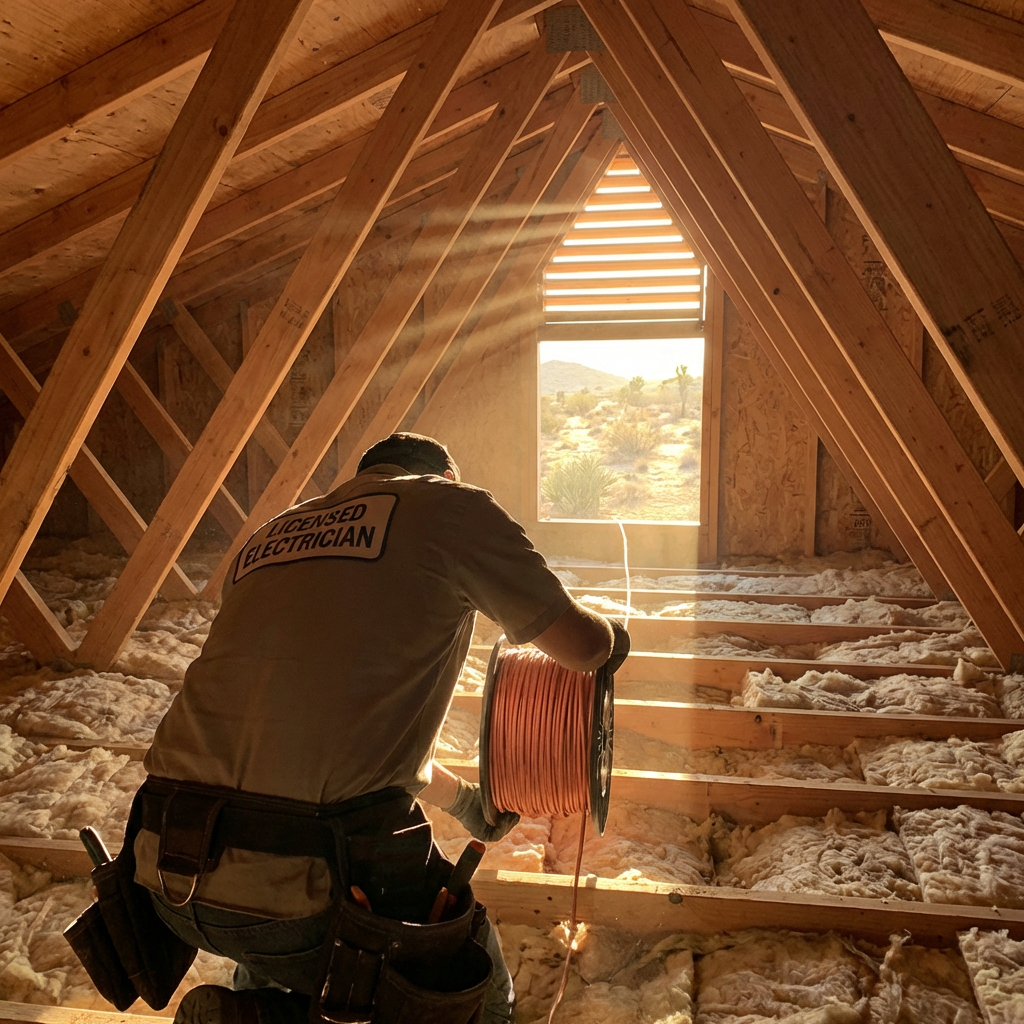
Access. Rewiring requires getting wire to every room. In a single-story home without a finished attic, this is relatively straightforward — most wire can be run through the attic. In two-story homes or homes with finished ceilings and walls, some drywall opening may be required. Experienced electricians minimize this and patch what they open.
New wire installation. New copper wire is run from the panel to every outlet, switch, and fixture location. Wire is sized correctly for each circuit — larger gauge for kitchen circuits and high-draw appliances, standard gauge for lighting and general outlets.
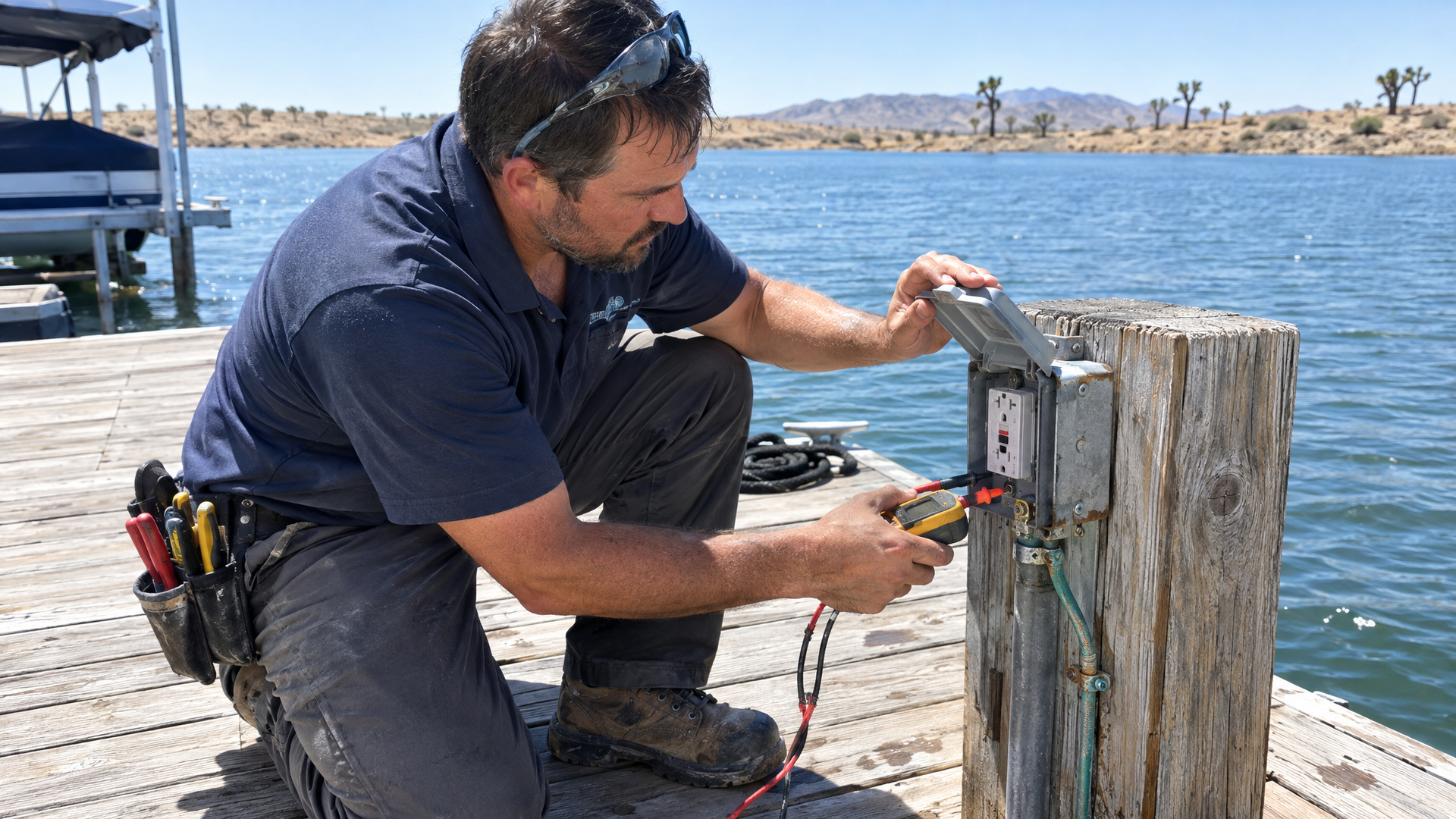
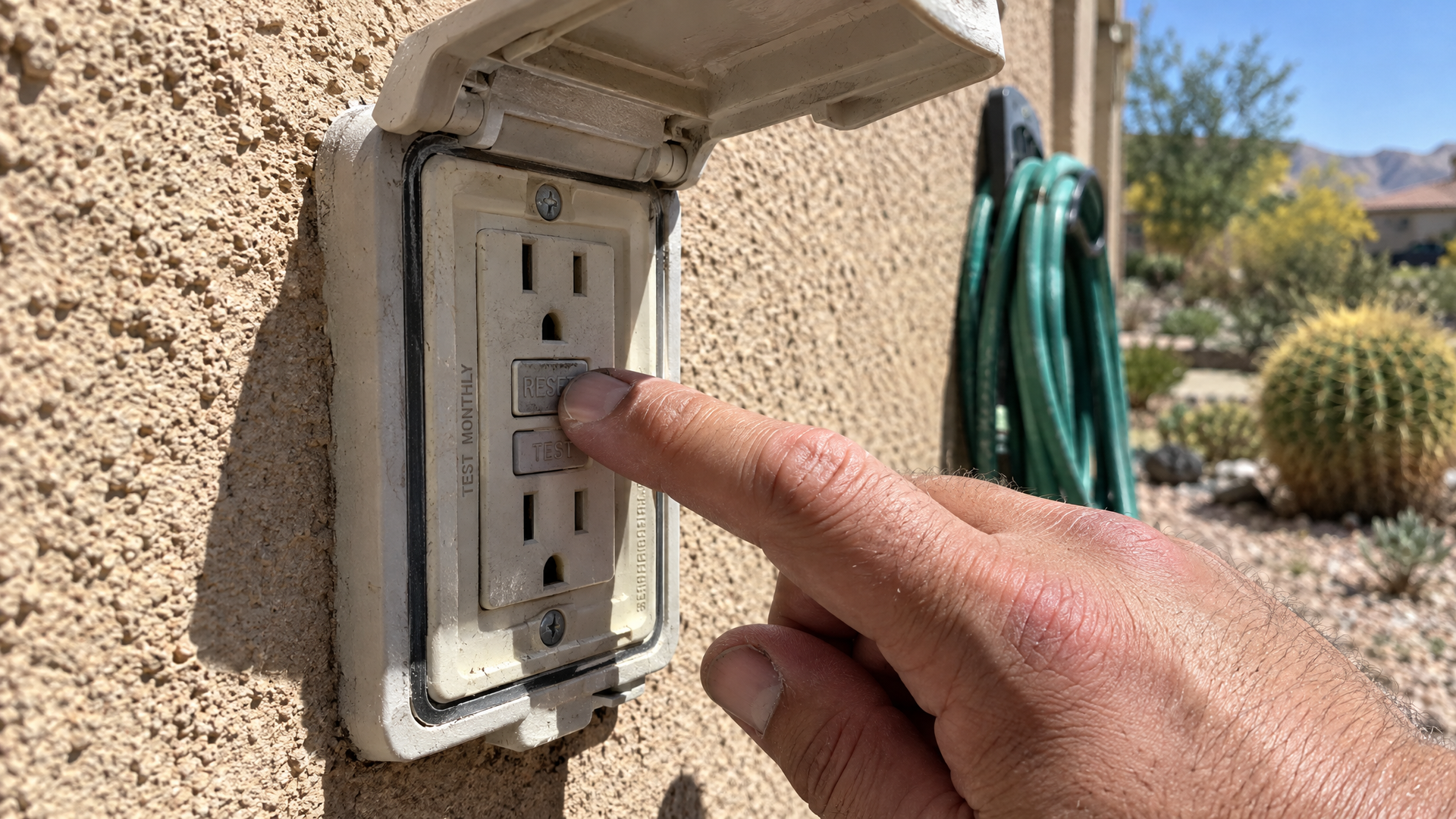
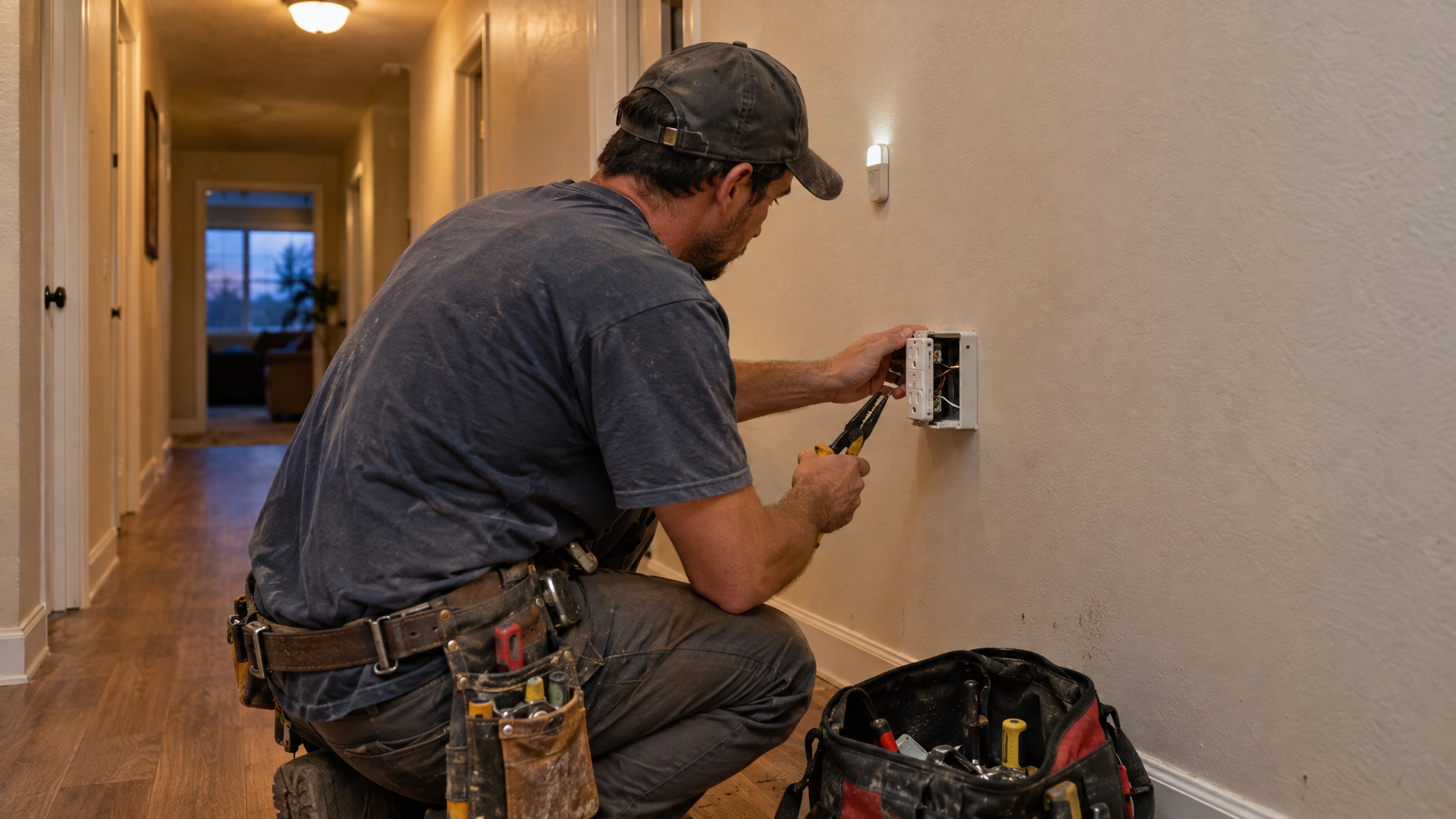
New outlets, switches, and fixtures. Old two-prong outlets are replaced with grounded three-prong outlets. GFCI outlets are installed in kitchens, bathrooms, garages, and outdoor locations as required by current code. AFCI (arc-fault circuit interrupter) protection is added for bedrooms and living areas.
Panel update. If the existing panel is 100-amp or has outdated breakers, it's typically upgraded to 200-amp at the same time. Doing both together is more efficient and cost-effective than returning later.
Inspection. San Bernardino County inspects the work before walls are closed. Once the inspection passes, any drywall that was opened gets patched.
How Much Does Whole-Home Rewiring Cost in Hesperia?
Costs vary based on square footage, number of stories, accessibility, and whether a panel upgrade is included. Here are realistic ranges for High Desert homes:
Small home under 1,200 sq ft, single story: $8,000–$12,000 Medium home 1,200–2,000 sq ft: $12,000–$18,000 Larger home 2,000–2,800 sq ft: $16,000–$24,000 Panel upgrade added at same time: add $2,000–$3,500 San Bernardino County permits: $300–$600 depending on scope
These are full-project costs including labor, materials, permits, and any drywall patching for a straightforward single-family home. Homes with unusual layouts, multiple stories, or extensive finished ceilings may run higher.
One important note: if you're getting quotes that are dramatically lower than this range, ask specifically what's included. Some contractors quote "partial rewiring" — replacing only problem circuits or adding new circuits while leaving old wiring in place. That may be appropriate in some situations, but it's not the same as whole-home rewiring and shouldn't be priced or treated the same way.
Aluminum Wiring: Full Rewiring vs. the COPALUM Alternative
If your home has aluminum branch circuit wiring, you have two accepted remediation options:
Full rewiring. Replace all aluminum branch circuit wiring with copper. This is the most comprehensive solution and eliminates the hazard permanently. It's the recommended approach for homes where the wiring is already causing problems or where the homeowner wants a complete, long-term fix.
COPALUM crimp connectors. The Consumer Product Safety Commission and many electricians recognize the COPALUM method as an acceptable alternative to full rewiring for aluminum wiring. This involves attaching short copper wire "pigtails" to each aluminum connection point using a special crimping tool, effectively creating a copper interface at every connection. It's less disruptive than full rewiring and costs significantly less — but it requires a qualified electrician with the correct licensed COPALUM tool, and it must be done at every single connection in the home to be effective.
Which is right for your High Desert home depends on your budget, the age and condition of the wiring, and whether you're planning other electrical work anyway. A licensed electrician can assess the specific situation and give you a recommendation.
Rewiring and Home Sales in the High Desert
If you're planning to sell a home in Hesperia, Victorville, or Adelanto, the electrical system will come up during the buyer's inspection. Aluminum wiring, two-prong outlets, and outdated panels are common findings that generate repair requests, price reductions, or deal-killing lender requirements.
Some loan programs — particularly FHA and VA loans — have specific electrical standards that must be met. A home with aluminum wiring and no remediation documentation may not qualify for these programs, which shrinks your buyer pool significantly in a market where many buyers use government-backed financing.
Addressing the wiring before listing gives you control over the process, the timeline, and the cost. Addressing it reactively during escrow under deadline pressure almost always costs more and creates more stress.
Frequently Asked Questions
How do I know if my Hesperia home has aluminum wiring? The most reliable way is to have a licensed electrician open your electrical panel and inspect the branch circuit wiring. Aluminum wire is silver-colored rather than the orange-copper color of copper wire. Homes built between 1965 and 1973 are most likely to have it, though some later construction used it as well.
Can I just replace outlets and switches instead of rewiring? Replacing devices doesn't address the wiring itself. If the underlying aluminum or degraded wiring is the problem, new outlets on old wire don't fix the hazard. The COPALUM pigtail method can be effective at the connection points, but requires every single connection in the home to be done correctly.
How long does whole-home rewiring take? Most single-story High Desert homes take 3–5 days for the electrical work itself. Add 1–2 weeks for permit approval before work begins, and scheduling the county inspection after.
Will rewiring require a lot of drywall work? In single-story homes with accessible attics — common in Hesperia and Victorville tract housing — most wiring can be run through the attic with minimal wall opening. Some cutting is typically required at outlet and switch locations. Your electrician should be clear upfront about what access will be needed and what patching is included.
Does homeowner's insurance cover homes with aluminum wiring? Some insurers will not write or renew policies on homes with aluminum branch circuit wiring, or charge significantly higher premiums. Check with your insurer directly. Remediation through COPALUM or full rewiring typically resolves the insurance issue.
Is rewiring worth it if I'm planning to sell? Usually yes — particularly in the High Desert market where buyers using FHA or VA financing are common. Addressing the electrical system before listing avoids lender-required repairs during escrow, expands your buyer pool, and removes the inspection finding that generates the most buyer anxiety.
Ready to Get Your High Desert Home Assessed?
Hesperia Electrical serves Hesperia, Victorville, and Adelanto with licensed electrical work including whole-home rewiring, aluminum wiring remediation, panel upgrades, and full electrical inspections. We pull all San Bernardino County permits and handle the inspection process so you don't have to.
Call (760) 905-9997 for a free assessment. We'll evaluate your current wiring, identify any hazards, and give you a clear, itemized quote with no surprises.
Licensed C-10 electrical contractor. Fully insured. Serving the High Desert.