Electric vehicle ownership in the High Desert is growing fast. Hesperia, Victorville, and Adelanto residents are buying EVs at an accelerating rate — and for reasons that make particular sense in this market. The 15 Freeway commute to the Inland Empire and Los Angeles basin is long and fuel-expensive. High Desert home prices have allowed more residents to absorb the upfront cost of an EV. And the combination of clear skies, strong sunlight, and increasing solar adoption makes home charging even more economical when paired with rooftop panels.
But buying the EV is the easy part. Getting it charged correctly at home — safely, legally, and without overtaxing your electrical system — is where homeowners need to understand what's actually involved before they call an electrician.
This guide covers everything you need to know about EV charger installation in the High Desert: the difference between Level 1 and Level 2 charging, what your home's electrical system needs to support it, what the permit process looks like across Hesperia, Victorville, and Adelanto, and what to expect from a professional installation.
Level 1 vs. Level 2: Why Most High Desert Homeowners Need Level 2
Level 1 charging uses a standard 120V outlet — the kind you already have throughout your home. You plug the charging cable that came with your EV directly into a regular outlet, and the car charges. It's the simplest possible setup and costs nothing to install if you have an accessible outlet near where you park.
The downside: Level 1 is slow. Most EVs gain 3 to 5 miles of range per hour on Level 1. For a High Desert homeowner who commutes 50 to 100+ miles round trip to the Inland Empire or Los Angeles, that means leaving your car plugged in for 15 to 25 hours to recover a full commute. If you park in a garage with a 120V outlet and drive 40 miles or less per day, Level 1 may be adequate. For most High Desert commuters, it isn't.
Level 2 charging uses a 240V dedicated circuit — the same voltage as your dryer or oven, but wired specifically for the charger. Level 2 delivers 15 to 30 miles of range per hour depending on your vehicle and the charger's amperage. A full charge on most EVs overnight on Level 2 is routine. This is the standard home charging setup for anyone who relies on their EV as a primary vehicle.
Level 2 requires a dedicated 240V circuit and a charging unit (called an EVSE — Electric Vehicle Supply Equipment) installed by a licensed electrician. This is the scope of a proper EV charger installation.
What the Installation Actually Involves
A Level 2 EV charger installation has several components that vary based on your home's existing electrical setup:
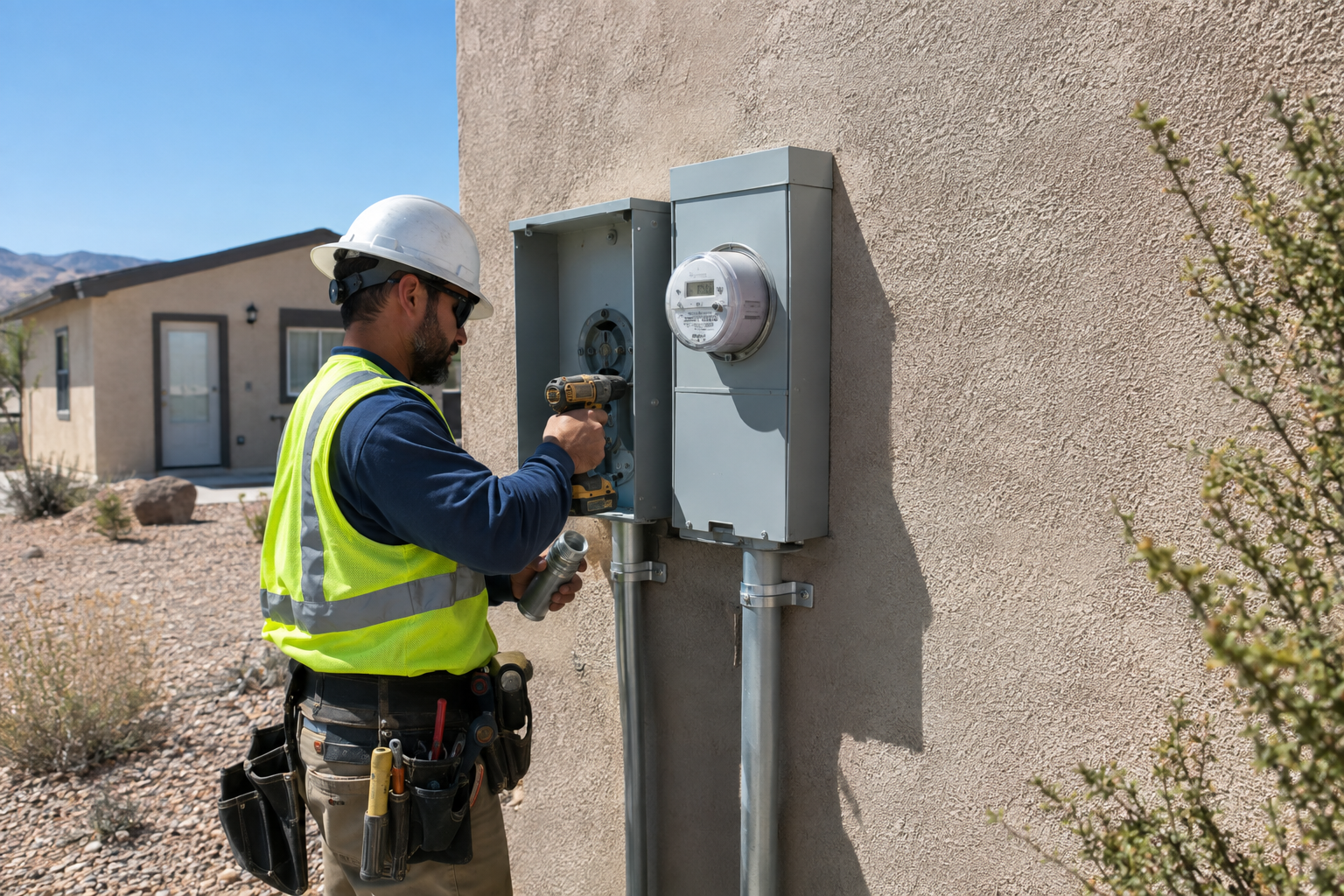
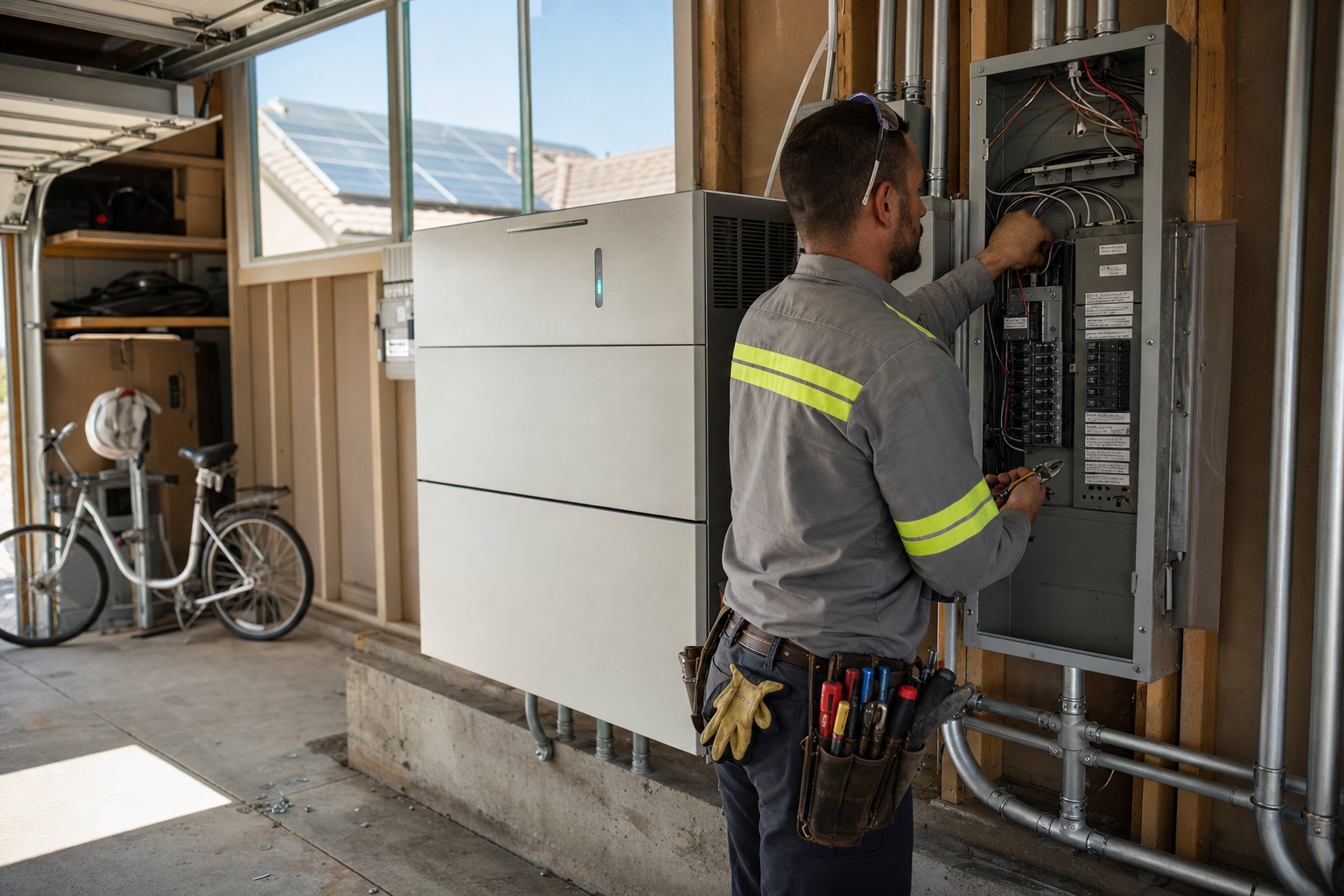
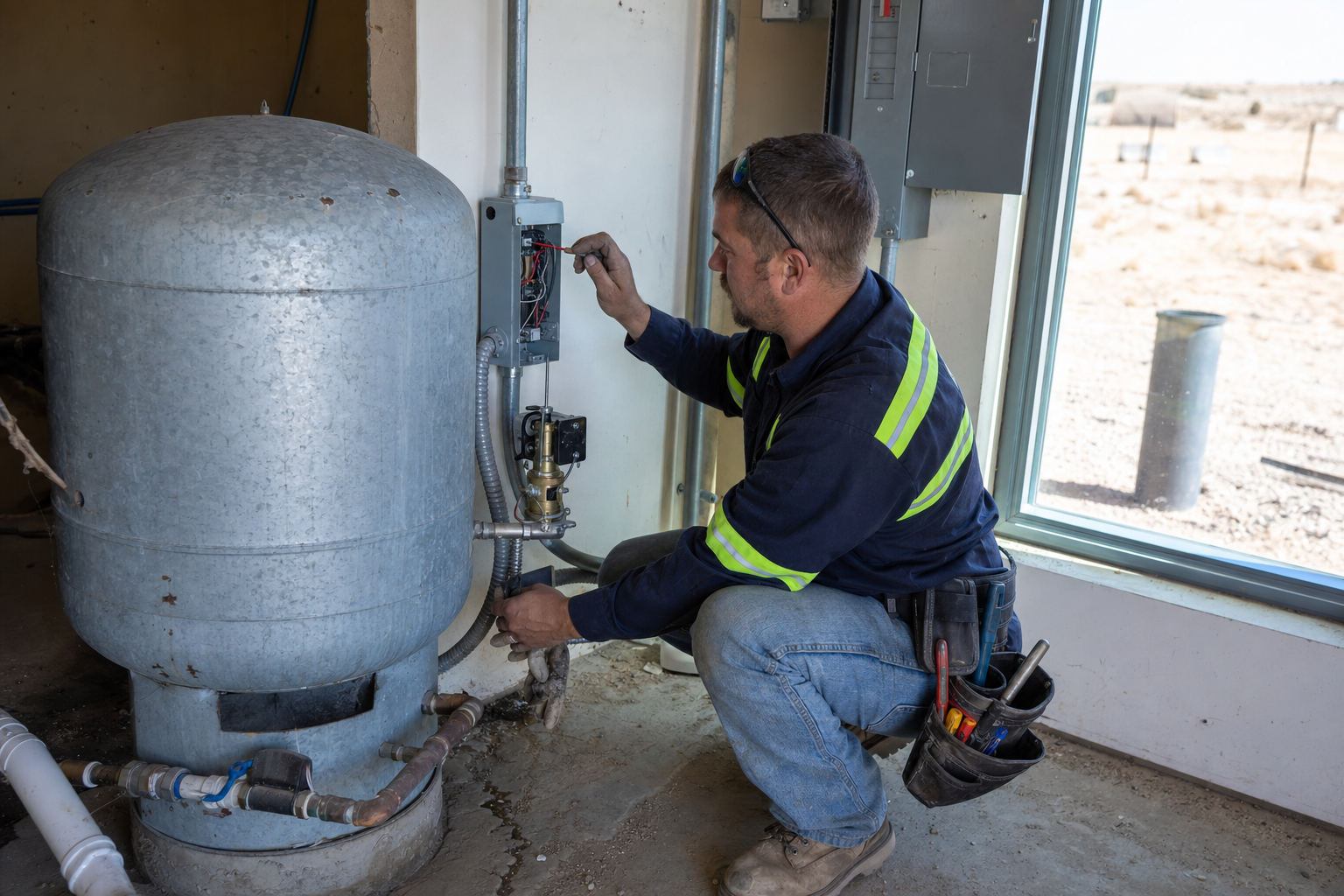
Step 1: Electrical panel assessment. Before anything else, a qualified electrician evaluates your existing panel. A Level 2 EV charger on a 40-amp dedicated circuit is a significant load addition. If your panel is a 100-amp panel running air conditioning, kitchen appliances, and standard home loads, adding a 40-amp EV circuit may push it beyond safe capacity. This assessment determines whether you can add the EV charger to your existing panel or whether a panel upgrade needs to happen first.
This is the step that separates a properly done EV charger installation from a problematic one. A contractor who skips the load calculation and installs the circuit regardless of panel capacity is cutting a corner that creates real risk.
Step 2: Panel upgrade (if needed). If your panel doesn't have capacity — common in Hesperia and Victorville's older 100-amp homes — the EV installation is bundled with a panel upgrade. The combined project typically costs $3,500–$5,500 and accomplishes both goals at once. The permit and SCE coordination happen once, saving time and cost compared to two separate projects.
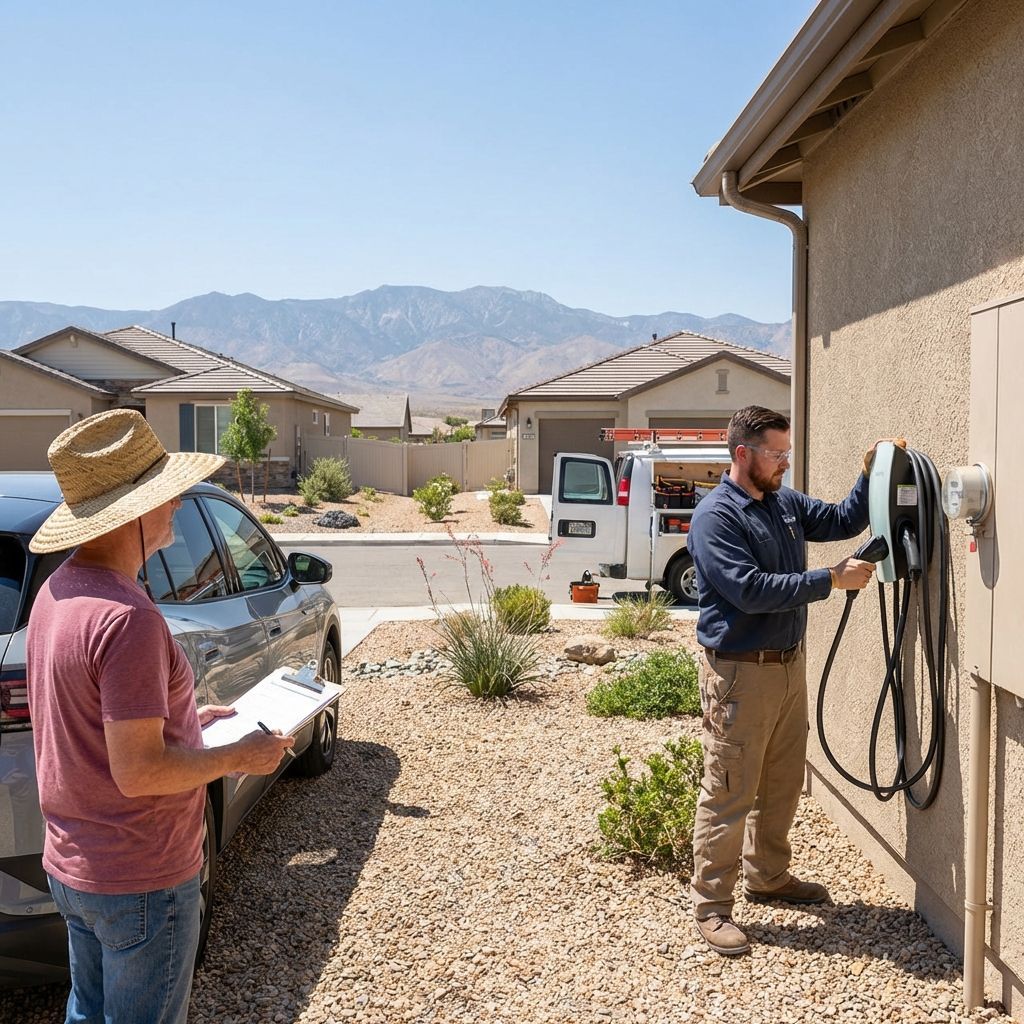
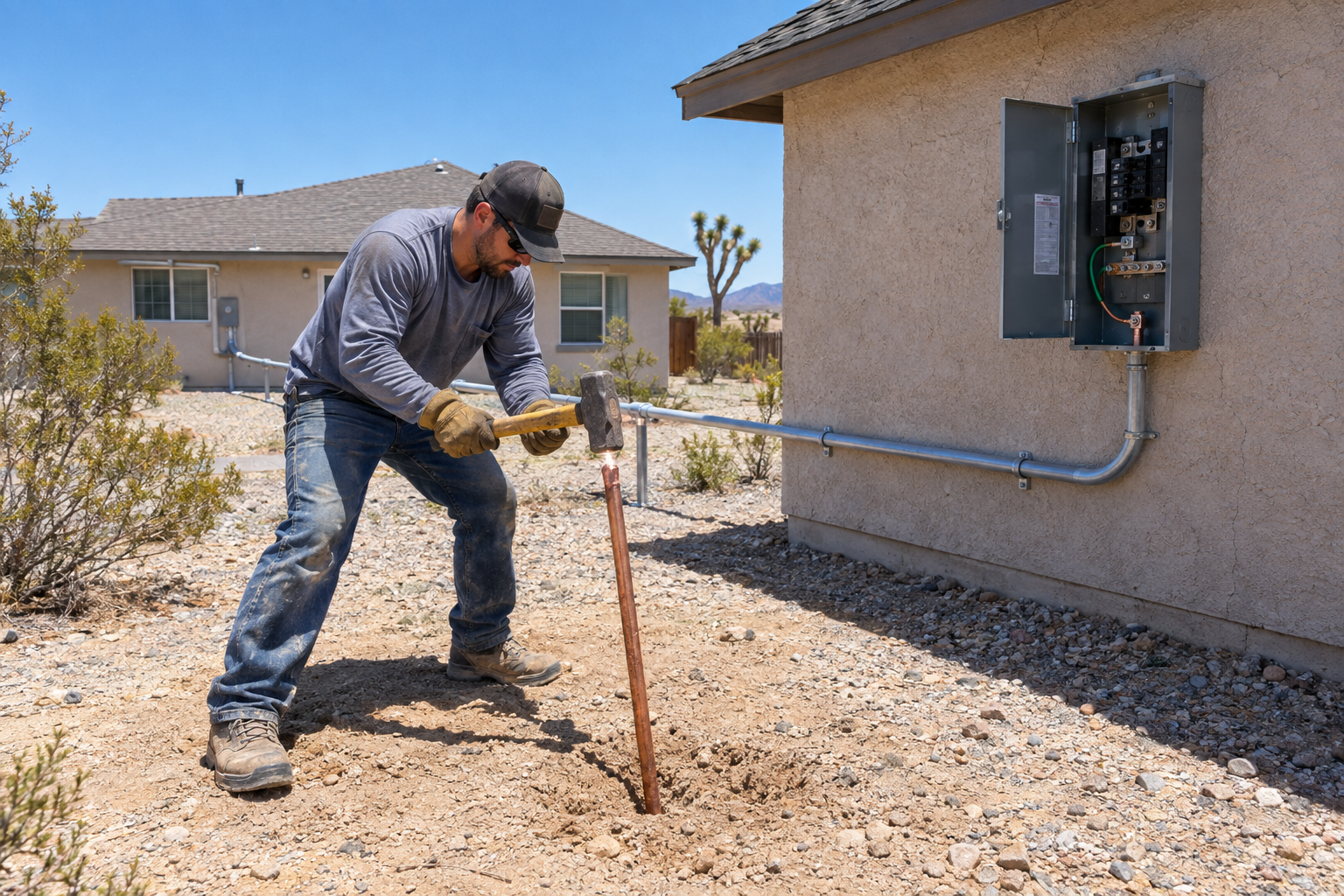
Step 3: Running the circuit. A dedicated 240V circuit is run from your panel to the charging location — typically a garage wall. The routing depends on your home's layout: an attached garage with the panel inside is straightforward; a detached garage or a driveway charging location requires conduit run along exterior walls or underground. More complex routes add cost and time.
Step 4: Installing the EVSE (the charger unit). The charger itself mounts to the wall. Homeowners can supply their own charger (Tesla Wall Connector, ChargePoint Home Flex, Emporia Level 2, and others are all common choices) or have the electrician supply one. If you supply it, confirm with the electrician beforehand that it's compatible with the circuit they're planning. The charger unit and circuit amperage need to match — a 48-amp charger needs a 60-amp circuit; a 32-amp charger works on a 40-amp circuit.
Step 5: Permit and inspection. EV charger installations require a building permit in Hesperia, Victorville, and Adelanto. The permit triggers an inspection from the city's building department, which confirms the work was done to code before you start using the charger daily. This inspection protects you: it's documented proof the installation is compliant, which matters for your homeowner's insurance and for future home sales.
A licensed electrician handles the permit application and schedules the inspection. You don't have to manage this process yourself — but you should confirm that permits are being pulled before work begins.
High Desert-Specific Considerations
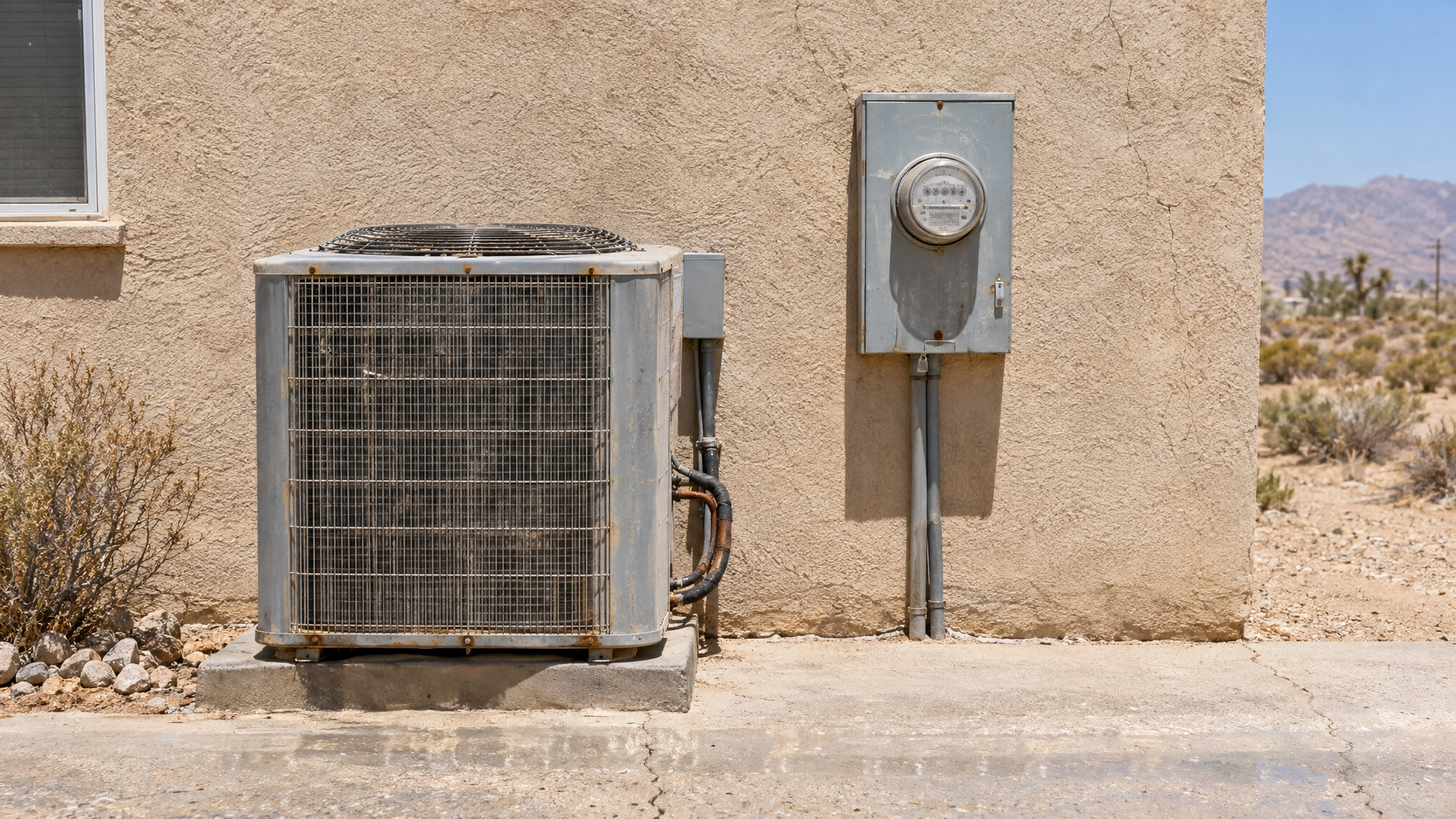
Heat and outdoor installation. If your charger is installed outdoors or in a garage without climate control, equipment ratings matter. The High Desert's summer heat — regularly exceeding 110°F in exposed locations — affects charger and wiring performance. Outdoor charger units should be NEMA 4 rated (weatherproof and heat-tolerant). Wiring run in conduit through attic spaces or along south-facing exterior walls sees elevated temperatures that require appropriate wire gauge and conduit type. An experienced High Desert electrician accounts for this; one without local experience may not.
SCE time-of-use rates. Southern California Edison's residential rate plans include Time-of-Use (TOU) options where electricity is cheaper during off-peak hours — typically late night through early morning. High Desert EV owners who charge during off-peak windows can significantly reduce their charging cost. Smart chargers with scheduling capability (most modern Level 2 EVSEs have this) let you set charging to start at midnight or 1 AM automatically. This is worth discussing with your electrician when selecting equipment.
Solar pairing. Hesperia and Victorville see among the highest average daily sun hours in Southern California — roughly 6.5 to 7 peak sun hours per day. High Desert homeowners with existing or planned solar systems have a strong case for EV charging powered by solar production during daylight hours. If you're pairing EV charging with solar, your electrician needs to understand the combined system design to make sure the electrical setup supports both. This is a conversation to have upfront, not after installation.
New construction and garage pre-wiring. California's 2019 building code (Title 24) requires new single-family homes to be pre-wired for EV charging in the garage — meaning a conduit pathway and dedicated circuit are required at time of construction. If you're buying new construction in the High Desert, confirm with your builder whether the EV circuit was completed to a functional outlet or simply conduit was stubbed out. Many builders do the minimum, leaving homeowners to complete the installation.
What a Professional Installation Costs in the High Desert
For a Level 2 EV charger installation on a home with an adequate existing panel and accessible garage location:
Standard installation (panel has capacity, garage location, minimal conduit run): $800–$1,500 including permit, charger mounting, and circuit. You supply the charger unit, or the electrician adds it.
More complex installation (longer conduit run, driveway or detached garage, outdoor weatherproof setup): $1,500–$2,500.
EV charger + panel upgrade bundled: $3,500–$5,500 as described above — the appropriate path for older 100-amp homes.
These are real High Desert market numbers. Quotes significantly below these ranges warrant scrutiny about whether permits are being pulled and load calculations are being done. Quotes significantly above them warrant a second and third opinion.
Choosing the Right Electrician for the Job
EV charger installations are straightforward for electricians who do them regularly. They require specific competencies: panel load calculation, permit process knowledge across the three High Desert cities, familiarity with SCE's requirements for service upgrades when needed, and equipment knowledge to recommend appropriate EVSE units.
Ask any electrician you're considering: "How many EV charger installations have you done in Hesperia and Victorville, and can you walk me through what you'd check on my panel before quoting the circuit?" An electrician who answers the second part of that question with specifics — amperage, available breaker slots, existing load — is one who's doing the job correctly.
Confirm that a permit will be pulled. Confirm that a load calculation will be done before the circuit is sized. And confirm that the equipment being installed is rated for outdoor use if it's not in a climate-controlled garage.
Hesperia Electrical installs Level 2 EV chargers throughout Hesperia, Victorville, Adelanto, and the High Desert. We handle the permit, the load calculation, the SCE coordination if needed, and the full installation — permit-ready and inspection-passed. CA License #1120740. Call
(760) 905-9997 for a free estimate.