Electric vehicles are showing up in Hesperia driveways faster than the grid was built to handle them. If you bought an EV expecting to just plug into a standard wall outlet and be fine, you already know that's not quite how it works — or you're about to find out. This guide covers what a Level 2 home charger actually does, why High Desert homes have specific electrical considerations that coastal California doesn't, what the install costs and timeline look like, and what state rebate programs Hesperia homeowners can stack right now before key deadlines close.
Call (760) 905-9997 or
request a free EV charger estimate here.
What Is a Level 2 EV Charger and Why Does Your Hesperia Home Need One?
A Level 2 EV charger is a 240-volt charging station — the same voltage as your dryer or central air conditioner — that adds 25 to 40 miles of range per hour of charging. That means most electric vehicles go from empty to full overnight. Compare that to Level 1 charging, which uses a standard 120-volt household outlet and adds roughly 3 to 5 miles per hour. If you're commuting from Hesperia to the Inland Empire, to Victorville, or down the I-15 corridor toward the San Gabriel Valley, Level 1 charging can't keep pace with your daily mileage. You'd be plugging in every night and still waking up to a partial charge.
Most new EVs — Tesla Model 3, Chevrolet Equinox EV, Ford F-150 Lightning, Rivian R1T, Hyundai IONIQ 6 — ship with a Level 1 adapter and nothing else. The Level 2 charger and the electrical work to support it are the homeowner's responsibility. That's where a licensed C-10 electrician in Hesperia comes in.
What Makes EV Charger Installation Different in the High Desert Compared to Coastal California?
The High Desert presents specific conditions that affect EV charger installation in ways that a contractor from the coast may not anticipate.
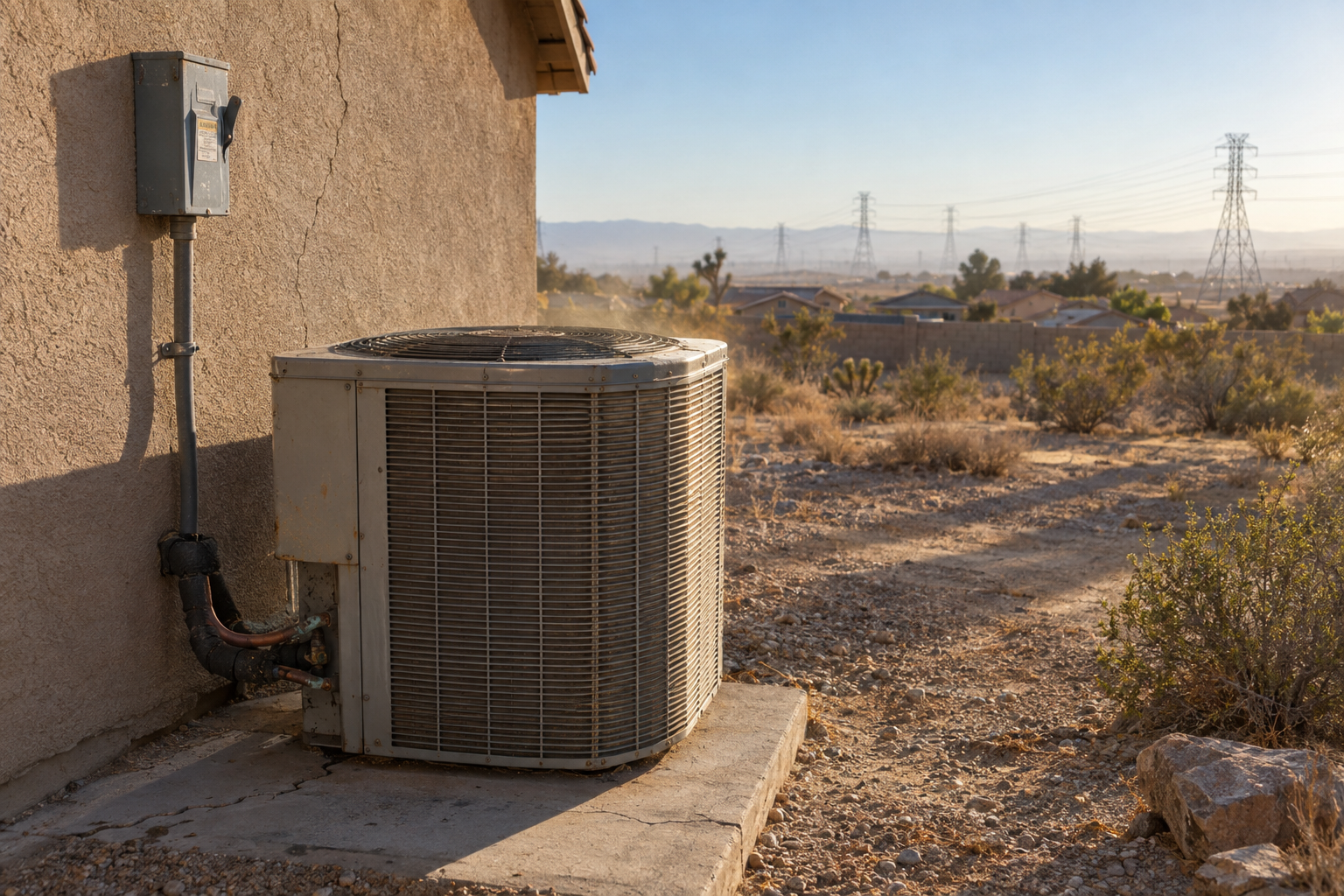
The biggest factor is temperature. Hesperia sits at roughly 3,200 feet elevation in the western Mojave Desert, and summer temperatures regularly exceed 105°F. Lithium-ion batteries charge more slowly in extreme heat, and most EVs throttle charge rates automatically to protect battery health when ambient temperatures are high. This doesn't affect the installation itself, but it does affect how homeowners think about scheduling charging — most EV manufacturers recommend charging during cooler overnight hours, which in Hesperia's summer means Southern California Edison's time-of-use rate windows work in your favor (more on that below).
Second, a significant number of Hesperia homes — particularly in the older neighborhoods off Maple Avenue, Bear Valley Road, and the portions of the city developed in the 1970s and 1980s — were built with 100-amp electrical service panels. A Level 2 EV charger on a dedicated 50-amp circuit draws 40 amps of continuous load. On a 100-amp panel that's already running central air conditioning, a water heater, kitchen appliances, and lighting, adding a 40-amp EV circuit can push the panel into overload territory.
In most cases, the solution is a 200-amp panel upgrade before or alongside the EV charger installation — a combined project that costs more upfront but positions the home correctly for current and future electrical loads.
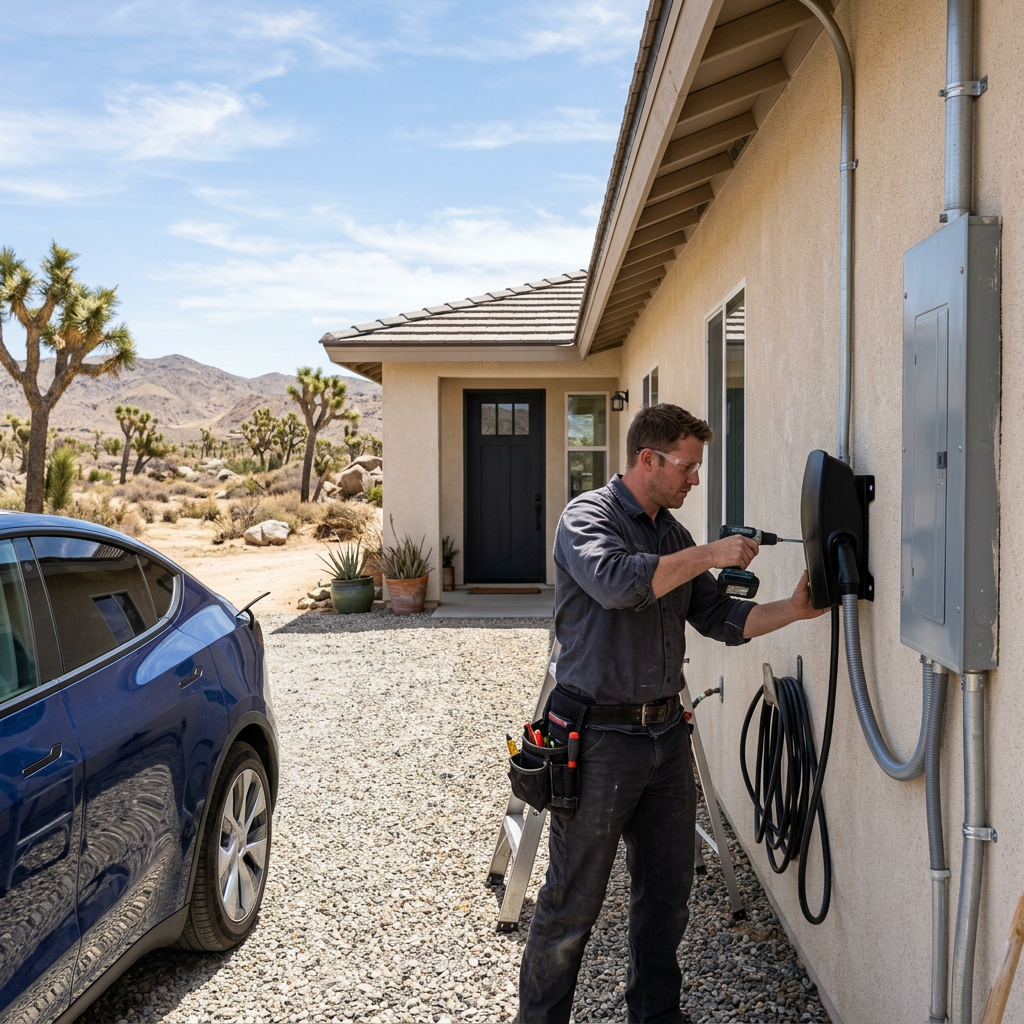
Third, conduit runs at Hesperia properties tend to be longer than in denser suburban markets. Most High Desert homes have detached or semi-detached garages, wide setbacks from the street, and longer distances between the main panel and where the car actually parks. Conduit length affects both material cost and labor time — a run of 50+ feet is common on Hesperia parcels, particularly on properties along the larger lots east of the I-15.
Does an EV Charger Installation in Hesperia Require a Permit?
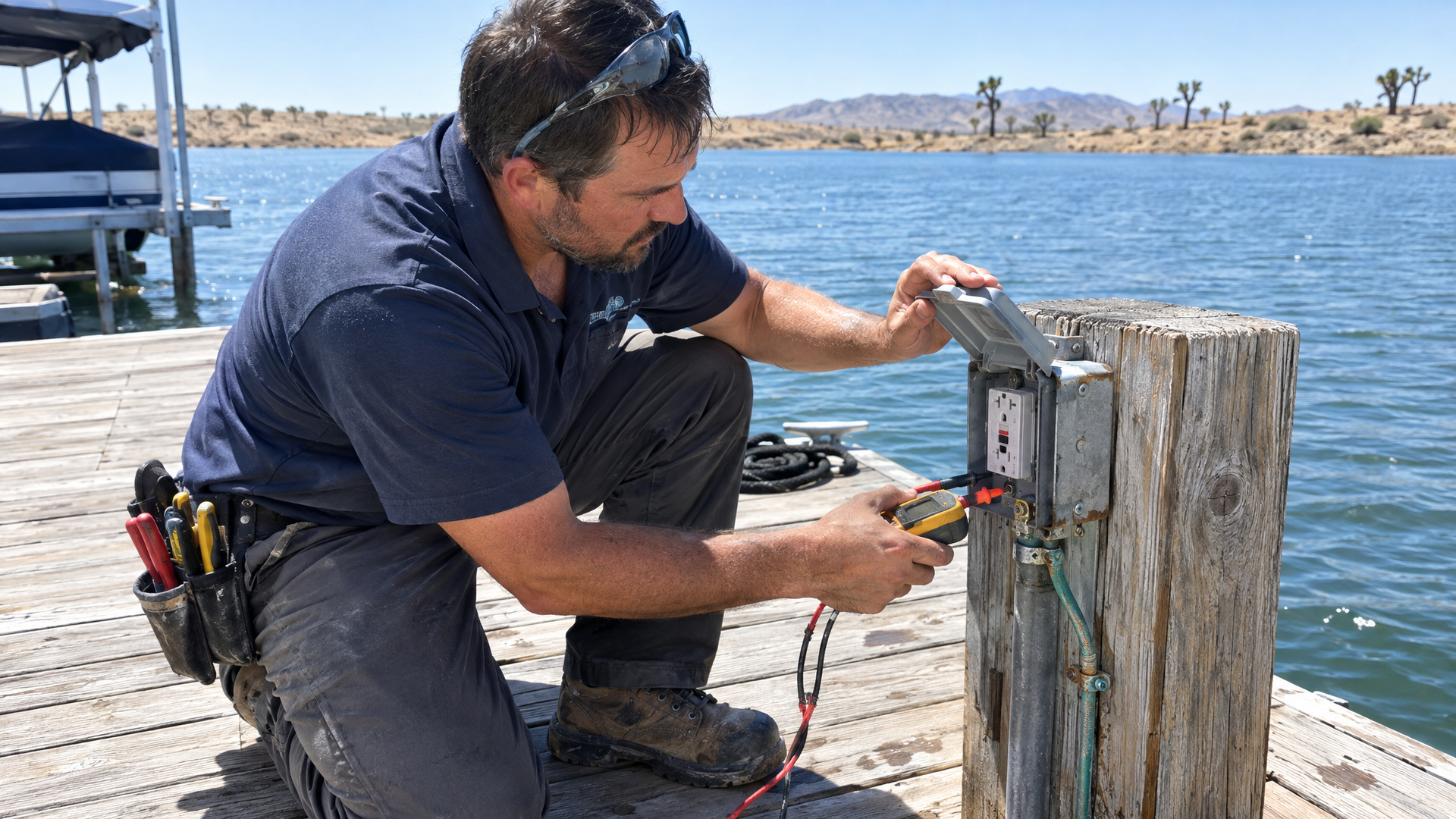
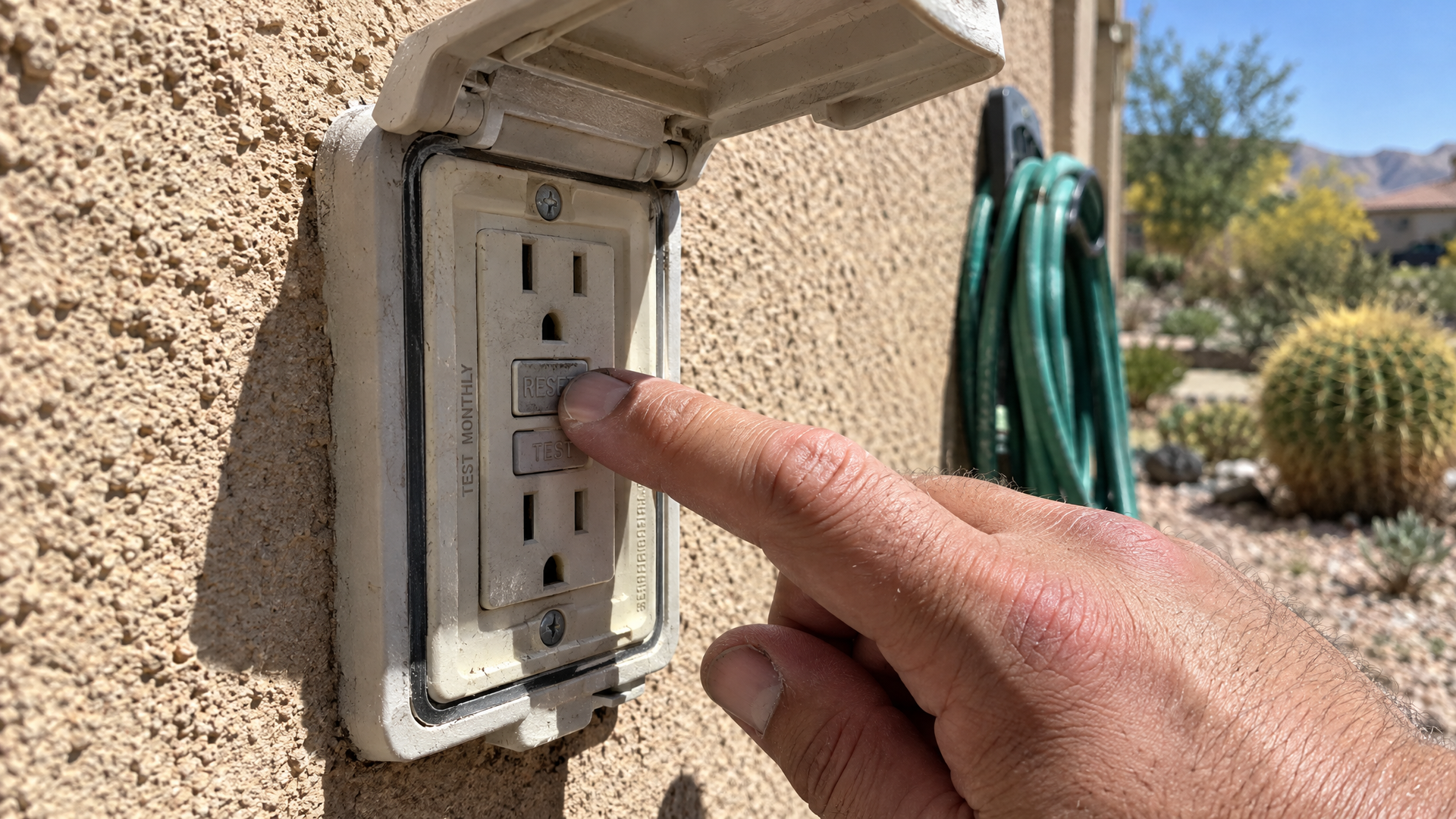
Yes, and any electrician telling you otherwise is a problem. EV charger installations in Hesperia require an electrical permit from the City of Hesperia Building and Safety Division. The installation must comply with the National Electrical Code and California's Title 24 Building Standards Code, which include specific requirements for dedicated circuits, conduit type, and GFCI protection for exterior installations.
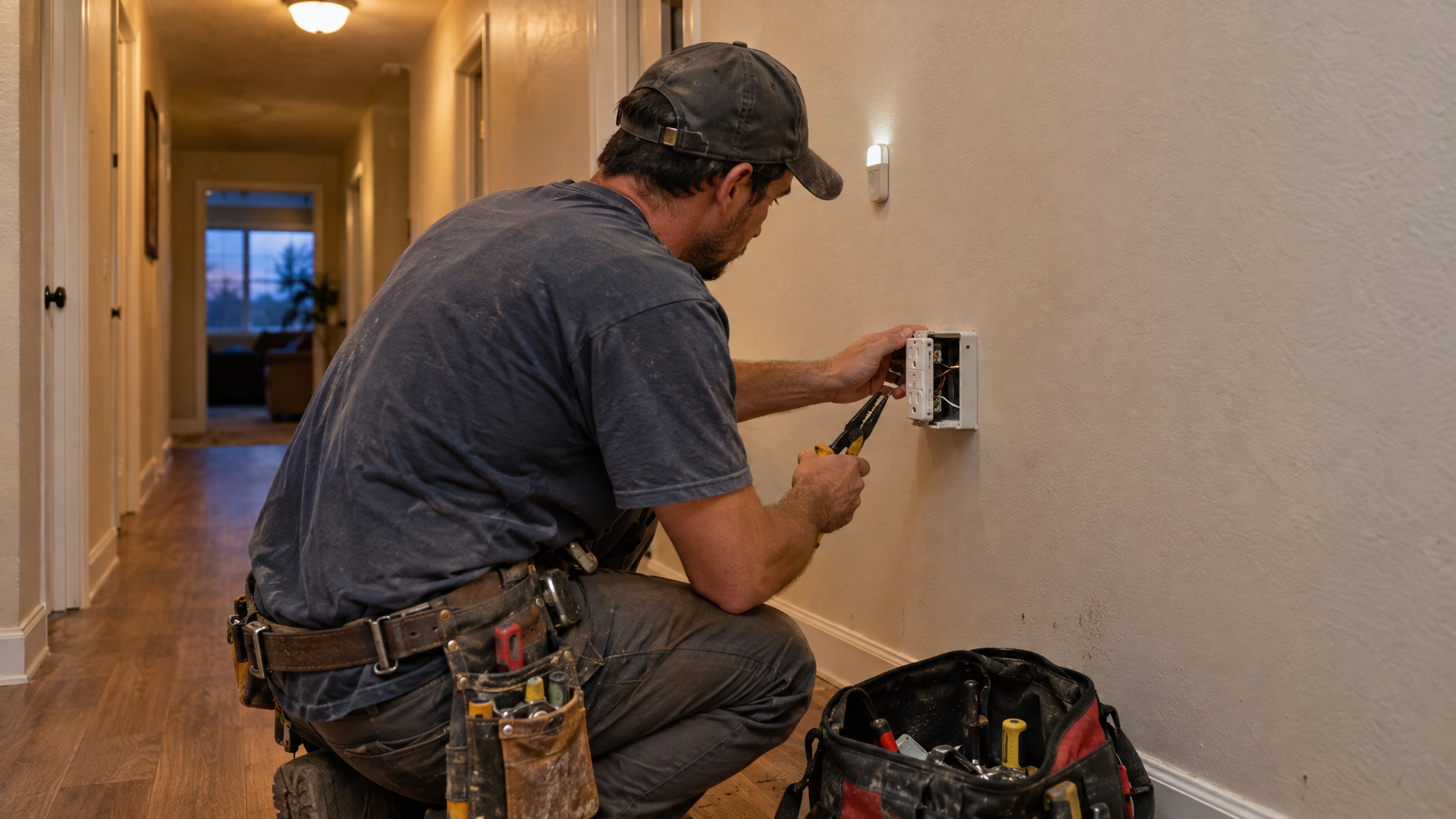
Pulling permits is part of every EV charger install Hesperia Electrical performs. Unpermitted electrical work creates real liability — it can void homeowner's insurance claims, complicate home sales, and fail inspection if the work is discovered. The permit fee in Hesperia is modest, and the inspection process is straightforward for a standard Level 2 install.
See our full service area and licensing info →
How Much Does EV Charger Installation Cost in Hesperia, CA?
The honest answer is that it depends on your panel situation and where the car parks relative to your electrical panel.
For a straightforward installation — 200-amp panel already in place, garage within reasonable conduit distance of the panel, NEMA 14-50 outlet or hardwired EVSE on a new 50-amp dedicated circuit — expect to pay in the range of $400 to $900 for the electrical work, plus the cost of the charger itself (typically $300 to $800 for a quality Level 2 EVSE like a ChargePoint Home Flex, Emporia Level 2, or Grizzl-E).
If a 200-amp panel upgrade is needed first — which is common in Hesperia's older stock — that adds $1,500 to $3,000 to the project. It's a meaningful cost, but it's also an investment that increases home value, accommodates future electrical loads, and is increasingly expected by buyers in the Victor Valley real estate market.
See our panel upgrade service →
The variables that move the number most are conduit run length, whether trenching is needed for underground runs to a detached garage, and whether any additional circuit work is required.
What California and Federal EV Charger Rebates Apply to Hesperia Homeowners?
This is where things get worth paying close attention to, because several programs are either approaching deadlines or have limited funding windows.
Federal 30C Tax Credit — Expires June 30, 2026. The Alternative Fuel Vehicle Refueling Property Credit covers 30% of EV charger installation costs, up to $1,000 for residential installations. It's a tax credit, not a rebate — meaning it reduces your federal tax bill dollar-for-dollar. Installations must be placed in service by June 30, 2026 to qualify. If you're planning to install a charger this year, the clock is real.
CARB Clean Cars 4 All — South Coast District. The California Air Resources Board's Clean Cars 4 All program operates in the South Coast Air Quality Management District, which covers San Bernardino County and therefore Hesperia. Income-qualified residents who scrap an older, higher-polluting vehicle can receive up to $12,000 toward a replacement zero-emission vehicle, plus up to $2,000 toward home EV charging infrastructure. If you're buying your first EV and replacing an older gas vehicle, stacking this with the 30C credit meaningfully changes the math.
Southern California Edison EV Programs. SCE serves most of Hesperia and offers time-of-use rate plans that reduce the cost of charging overnight — typically between 11 PM and 9 AM. Combined with a smart Level 2 charger that can be scheduled, SCE's EV-TOU rate plan can meaningfully reduce your monthly charging cost compared to daytime charging. Ask about current SCE rebate programs when you contact us, as available incentives change periodically.
Rebate stacking — combining the federal 30C credit with SCAQMD/CARB programs and utility incentives — is generally permitted and can bring the effective out-of-pocket cost of a full Level 2 installation project down substantially for qualifying Hesperia households.
Does Installing a Level 2 EV Charger Require a Panel Upgrade in a Hesperia Home?
Not always, but in a significant number of Hesperia homes, yes. The determining factor is your current panel capacity and existing load.
A 200-amp panel with normal residential loads — air conditioning, kitchen appliances, lighting, water heater — typically has room to add a 50-amp EV circuit without issue. A 100-amp panel with those same loads usually does not. The calculation isn't just total amperage; it's about the panel's available breaker slots and how close to continuous load capacity the existing circuits are running.
There's also a middle path worth knowing about: load management devices. A dedicated EV load management system monitors overall panel demand in real time and automatically reduces EV charging output when other high-draw appliances are running simultaneously, then ramps it back up when capacity is available. This approach can make a 100-amp panel work with a Level 2 charger in homes where usage patterns allow it — typically homes without electric HVAC or electric dryers. It's not the right solution for every Hesperia home, but it's worth discussing before committing to a full panel upgrade.
See our breaker and panel troubleshooting guide →
How Long Does EV Charger Installation Take in Hesperia?
A standard install — 200-amp panel already in place, direct garage run, permit pulled in advance — typically takes one to three hours of on-site work. Panel upgrades add a half day to a full day depending on scope. Most projects are completed in a single visit once the permit is issued.
Hesperia Building and Safety permit turnaround times for routine electrical permits have been running two to five business days in 2026 for residential projects. We handle permitting on your behalf — you don't need to deal with the city directly.
Frequently Asked Questions: EV Charger Installation in Hesperia, CA
What's the difference between a NEMA 14-50 outlet and a hardwired EV charger?
A NEMA 14-50 is a 240-volt outlet that lets you plug in a portable Level 2 EVSE (the charging unit). A hardwired installation permanently connects the EVSE to the dedicated circuit. Hardwired installs are slightly cleaner aesthetically and eliminate one connection point, but a NEMA 14-50 allows you to take the EVSE with you if you move. Both are code-compliant options. We install both and can advise which fits your situation.
Can I install an EV charger in my detached garage in Hesperia?
Yes. Detached garages are common on High Desert properties, and we run conduit from the main panel to the garage as part of the project. If the garage is far from the panel or requires trenching for an underground run, that adds to the cost and timeline — we'll assess and quote that specifically during a free estimate visit.
Will installing a Level 2 charger increase my home value in the Victor Valley?
Based on current buyer demand patterns in the Victor Valley real estate market, a properly permitted Level 2 EV charger installation is increasingly viewed as a standard feature by buyers with EVs. As EV adoption continues to grow in San Bernardino County, a permitted charging setup adds measurable appeal, particularly to buyers relocating from coastal California markets where home chargers are already expected.
Do you serve Victorville and Adelanto for EV charger installs too?
Yes. Hesperia Electrical serves all of the High Desert, including
Victorville and
Adelanto. Same licensed C-10 crew, same free estimate process.
Ready to schedule? Call (760) 905-9997 or
request your free EV charger installation estimate here.